Pro Tips, News & Events

5.9 Cummins Belt Diagram: Routing Guide for Every Year
Oct 31, 2026

5.9 Cummins Belt Diagram: Routing Guide for Every Year

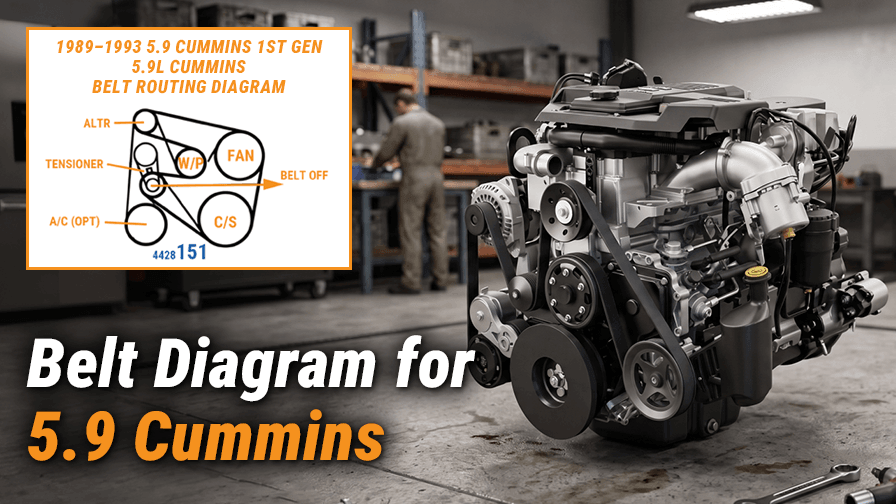
5.9 Cummins belt diagram. The decal under your hood is the only diagram guaranteed to be right for your truck. A decade of heat cycles and a few pressure washes turn it into a blank rectangle. Then it comes down to a new belt in hand and no routing to follow. Four stages cover the 5.9 from 1989 through 2007. Within each one, an A/C truck can run a different path than a non-A/C truck. Match the engine before you match the pulley layout. First-gens are the simplest of the four to work on. The Bosch VE trucks run one multi-rib belt around the crank, water pump, alternator, and, if the truck has air, the compressor. Non-A/C builds use a shorter loop that skips the compressor pulley entirely. Same engine bay, two different belts. Ordering is where first-gen owners get burned. Dodge varied A/C configurations by build date, occasionally mid-year. The length charts floating around online do not survive that. Measure the belt in your hand. A tape run around the old belt beats any lookup table. A VIN check at the counter beats both. Tensioner drive size and release direction are worth checking on the part itself. Find the cast arrow. Find the square-drive opening. Then read the service manual for your model year before you put a bar on it.

Sunbelt Ag Expo 2026 Recap: FridayParts in Action
Oct 31, 2026

Sunbelt Ag Expo 2026 Recap: FridayParts in Action

FridayParts had an amazing time at the Sunbelt Ag Expo 2026! From sponsoring the thrilling tractor pull to helping farmers troubleshoot equipment and look up John Deere 1025R specs, we loved connecting with the ag community.

Kohler Choke Linkage Diagram: A Complete Guide 2026
Oct 31, 2026

Kohler Choke Linkage Diagram: A Complete Guide 2026

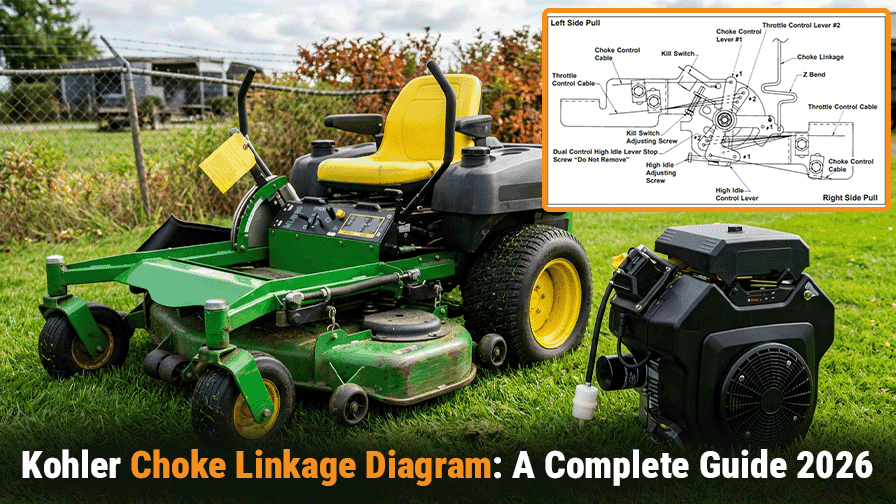
Having a Kohler choke linkage diagram on hand facilitates the adjustment of choke control on your Kohler engine. In this part, we’ll jump into Kohler Magnum and Command choke linkage diagrams and the adjustment steps for each choke linkage. This diagram is suitable for a Kohler Command PRO Engine with a single cylinder, like CH11, CH12.5, CH13, CH14, CH15, CV11, CV12.5, CV13, CV14, CV15 and CV16. Many John Deere riding lawn mowers LT150, LT155, LX173, LX255 and Cub Cadet 1000/1500 series are running on these engines.

John Deere 1025R Specs and Parts Lookup
Oct 30, 2026

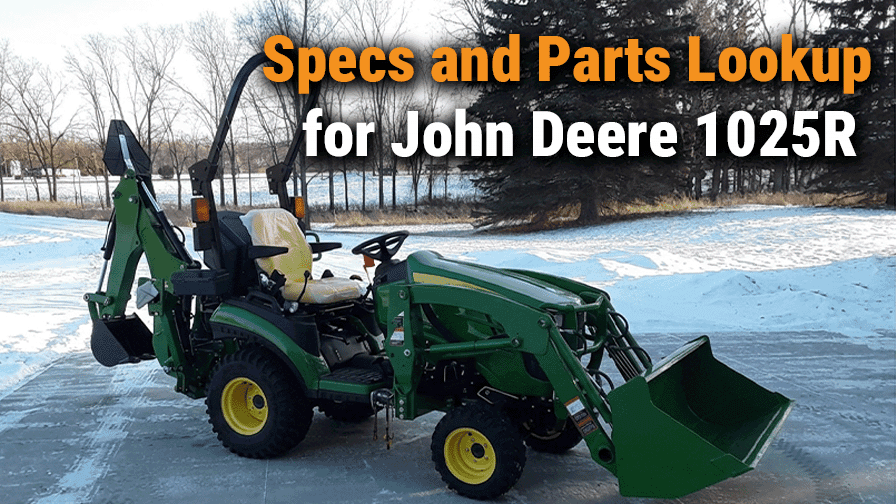
John Deere 1025R Specs and Parts Lookup

Mastering your John Deere 1025R specs is the key to maintaining peak performance. This guide covers everything from engine power and hydraulic capacities to serial number locations, helping you find the right parts easily.

John Deere Mini Excavator Sizes: A Complete Guide
Oct 30, 2026

John Deere Mini Excavator Sizes: A Complete Guide

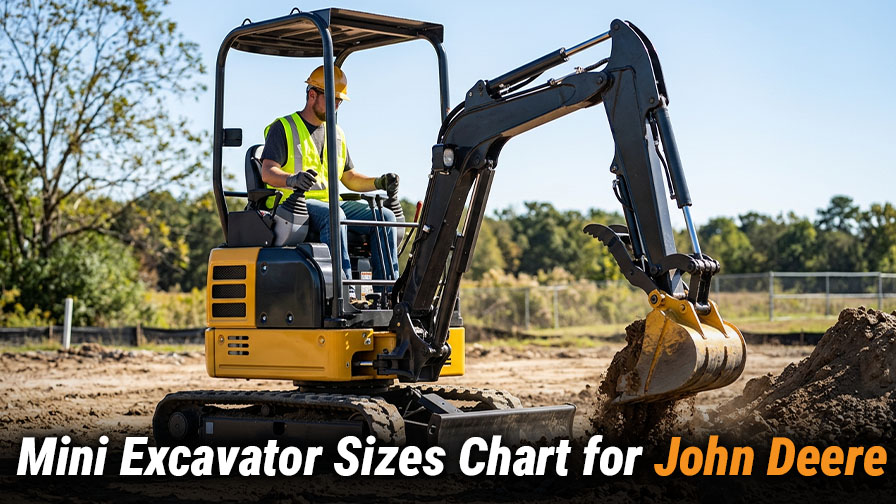
John Deere mini excavator sizes. The lineup has consolidated under the P-Tier badge. Seven models from 1.7 to 6.2 metric tons. The changes were modest. Better cab sealing. EH joysticks on the larger sizes. But the specs are what buyers actually compare. The 17 P-Tier is the narrow-access specialist. The variable-width undercarriage retracts to roughly 39 inches. With the blade folded, it clears a standard 36-inch gate. The 26 and 30 P-Tier sit in the most heavily rented class in North America. About 6,000 lb and 7,200 lb. Same engine family. Shared engine and hydraulic parts. Dig depth runs 8 ft 6 in to 9 ft 2 in. That covers most residential sewer taps, footings, and shallow utility runs. The 35 P-Tier shows up on urban job sites more than any other size in the range. Zero tail swing is the reason. Working parallel to an existing foundation is easier because the counterweight does not clip the wall on every rotation. The 50 and 60 P-Tier sit at the top of the compact range. Above 10,500 lb. A 35.9 hp engine on the 50. A 53 hp engine on the 60. Dig depth reaches 13 ft 6 in with the long stick. An enclosed, climate-controlled cab is standard on both.

What Is the Choke Position on Your Stihl Chainsaw? A Complete Guide 2026
Oct 30, 2026

What Is the Choke Position on Your Stihl Chainsaw? A Complete Guide 2026

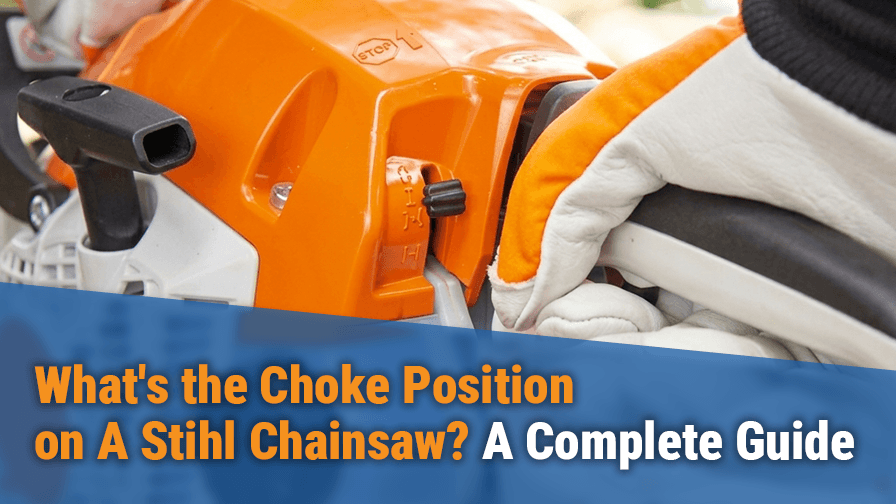
When a chainsaw engine is cold, it needs a “richer” fuel mixture (more fuel, less air) to ignite. The choke restricts airflow into the carburetor, temporarily increasing the fuel-to-air ratio to help start a cold engine. On Stihl chainsaws, a four-position lever, the Master Control Lever, typically controls it. This ingenious design combines four essential functions: choke, start, throttle lock and on-off switch. The choke position is usually marked with a symbol that looks like a closed circle or a line with a diagonal slash. For a cold start, you move the lever all the way down to engage it.

3-Blade Mower Orientation on John Deere Mower
Oct 29, 2026

3-Blade Mower Orientation on John Deere Mower

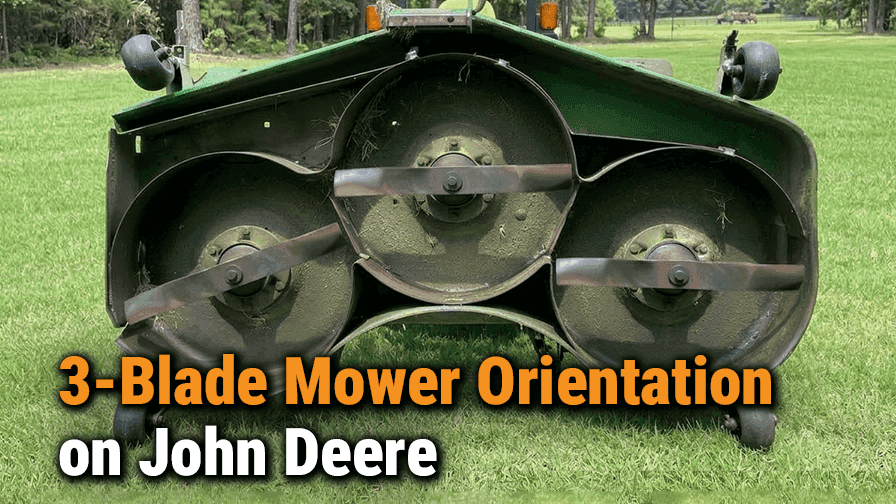
Standard John Deere decks don’t need timed 3-blade mower orientation to cut well. This guide covers how to install blades correctly, spot if they are upside down, and troubleshoot common cutting quality issues.

Exmark Drive Belt Diagram Guide
Oct 29, 2026

Exmark Drive Belt Diagram Guide

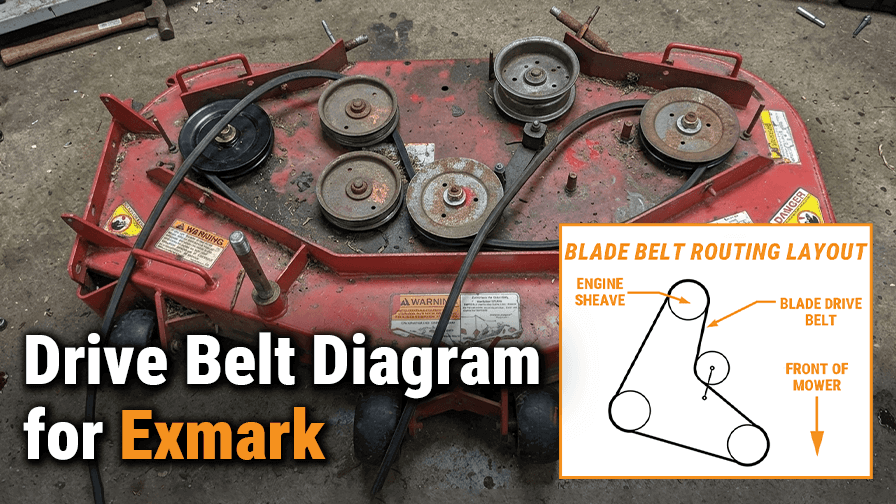
Exmark drive belt diagram guide. Removed the belt without taking a photo first? The right diagram depends on which of the three decals is on your frame. 633463, 323427, or 413206. Each model runs a different routing. Quest, Lazer Z, Turf Tracer. Use the wrong one, and you will have the belt on the wrong side of an idler within an hour. The 633463 decal shows the pump drive belt running from the engine pulley down to the twin hydro pump pulleys. The belt forms a tight triangle with a stationary idler on one side and a spring-loaded tensioner on the other. This pattern appears on most Quest S-Series and E-Series units with twin hydro pumps. The engine pulley sits at the top center. The belt wraps the two pump pulleys below the frame. One idler stays fixed; the other floats on a tension spring. Belt length runs around 30 inches on Quest models. If the belt is slipping off under load, check the spring first. A stretched or broken tensioner spring is the usual cause before the belt itself is to blame.

Peterbilt Dashboard Warning Lights: How to Respond to Them?
Oct 29, 2026

Peterbilt Dashboard Warning Lights: How to Respond to Them?

Understanding the colors and meanings of your Peterbilt dashboard warning lights is the key to preventing unexpected breakdowns and avoiding catastrophic engine damage. With this guide on hand, you can make informed decisions on the road and keep your operations running smoothly. When you are subjected to red warning lights, don’t wait for a minor issue to turn into expensive repairs. At FridayParts, we are dedicated to providing a vast selection of quality replacement parts for Peterbilt trucks at an affordable price. Explore now and enjoy your new rig. Keep your Peterbilt running like new and minimize your downtime.

Is It a BUSH HOG or a BRUSH HOG?
Oct 28, 2026

Is It a BUSH HOG or a BRUSH HOG?

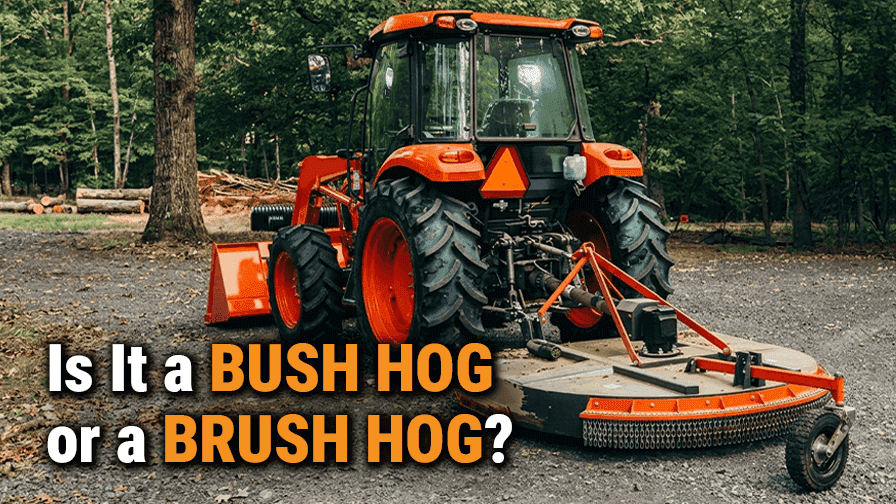
Confused by the bush hog vs brush hog debate? We break down the regional slang, explain how rotary cutters work, and help off-road machinery owners choose the right implement and replacement parts for their tractors.

AMSOIL Oil Filter Cross Reference: A Complete Guide 2026
Oct 28, 2026

AMSOIL Oil Filter Cross Reference: A Complete Guide 2026

AMSOIL and Mobil 1 oils are chemically compatible and can be mixed in emergencies. However, mixing oils may reduce the benefits of extended service intervals and specific additive packages unique to each brand. For optimal performance, it’s recommended to stick with a single brand and oil type.

Carquest Filter Cross Reference Chart: A Complete Guide 2026
Oct 28, 2026

Carquest Filter Cross Reference Chart: A Complete Guide 2026

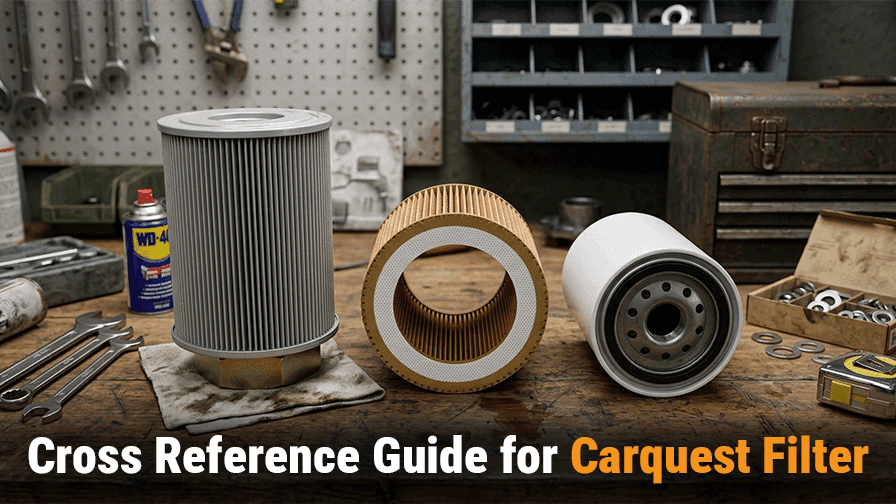
Carquest filter cross reference chart. Carquest 85290, 84723, 84418, and 87033 cover most of the hydraulic and transmission filter work on John Deere, Case, Hitachi, Komatsu, and Caterpillar equipment. But only when the cross reference is actually right. 85290 lines up with WIX 51290 and Donaldson P550416. 84723 runs a similar M24 x 1.5 thread in a different can. 84418 moves up to a 1 3/4 inch mount for heavier iron. Start with the filter type. Then confirm thread size and length before ordering. Numbers that look similar often fit totally different applications. Match the thread first. Then the length. Then the micron rating. Three checks beat one guess every time. The place most owners get burned is hydraulic filtration. A filter can thread on perfectly and still be the wrong micron rating for the pump. Use the tables as a starting point and always double-check against your machine serial number.