

If you are confused about the debate of bush hog vs brush hog, they are the exact same machine. “Bush Hog” is a specific brand name that became so popular it turned into a household word, while “brush hog” is a slang term people use to describe what the machine actually does—cutting heavy brush. The true, technical name for this implement is a rotary cutter. In this guide, we will clear up the naming confusion and help you choose the right one.
What Is the Difference Between a Bush Hog and a Brush Hog?
When you shop for farm gear, folks mix up these words a lot. The big difference is brand name vs. plain description.
- Decades back, one company made a heavy-duty rotary mower to clear rough land. They called their brand Bush Hog. Farmers liked it so much, they started calling all heavy-duty mowers a Bush Hog, no matter who built them.
- Brush hog, though, is just a casual nickname. This machine plows through thick brush, weeds and small saplings — so “brush hog” makes total sense. A lot of people hear the brand name and naturally think they’re saying brush hog, because it sounds right.
So there’s no difference in how the machine works. One is a trademarked brand; the other’s just everyday slang. Both mean that tough mower you hook up behind a tractor. It cuts thick, overgrown plants that a regular lawn mower can’t handle.
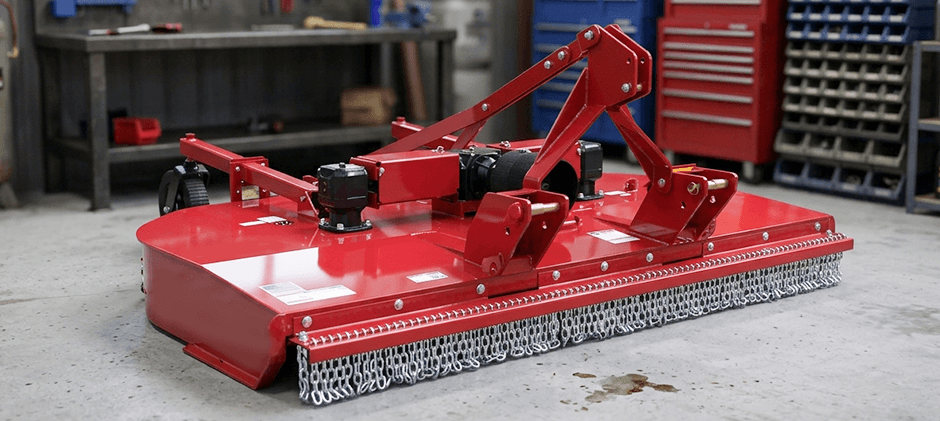
Bush Hog vs. Brush Hog vs. Rotary Cutter: Which Term Should You Use?
What you call this machine mostly just depends on where you live and who you’re chatting with. Words vary by area, and farm gear’s no different. Travel around the country or talk to different equipment sellers, and you’ll hear lots of names for the same tool.
- Bush Hog: This is the go-to name across the southern US. People use it as a noun and even a verb. A farmer might say, “I’m gonna hook up the bush hog so I can bush hog the lower pasture.” Everyone nearby knows exactly what he means.
- Brush Hog: Super common in the Midwest and some other areas. A lot of people like this name because it describes what it does — cutting brush.
- Rotary Cutter: That’s the official technical name for this attachment. You’ll see it labeled rotary cutter in owner manuals, dealer bills and parts books.
- Shredder: Farmers in Texas and similar areas call it a shredder. It rips up and shreds thick plant stalks, so the name sticks.
- Slasher or Topper: Australian farmers call it a slasher. Folks in the UK usually say topper.
No matter if you say bush hog, brush hog or rotary cutter, you’re talking about the same heavy-duty mowing attachment. As long as the other person understands you, any of these names work great for casual talks. But if you’re buying replacement parts or reading a service manual, look for rotary cutter parts.
What Is a Rotary Cutter Used For?
A rotary cutter is a rough-cut mower. You hook it onto the back of a tractor, and it runs off the tractor’s Power Take-Off (PTO) shaft.
Unlike a regular riding lawn mower, a rotary cutter doesn’t have fixed, super-sharp blades. It uses thick, heavy, fairly dull blades mounted on a spinning plate called a stump jumper. The blades connect with tough hinges. When the PTO spins that plate fast, centrifugal force flings the blades out.
Since the blades hang on hinges, they can swing back if they hit hard stuff like big rocks or buried stumps. This movement keeps the gearbox and tractor safe from harsh sudden hits. The blades just use raw kinetic energy to smash and tear plants apart. They spin faster than 150 miles per hour, so they can chew right through thick stalks easily.
Farmers and landowners use this machine for lots of jobs. They clear overgrown pastures, keep hunting trails open, and mow old hayfields. Cutting down mature hay puts good organic material back into the soil. It also works great to clear paths for temporary electric livestock fencing.
What Can a Brush Hog Cut? Grass, Weeds, and Light Brush?
A rotary cutter is built tough, but it can’t cut everything. Understanding its limits keeps you safe and prevents damage to your gear. Here’s what a regular rotary cutter can handle with no trouble:
- Tall Pasture Grass: It easily cuts grass that’s several feet high.
- Thick Weeds: It takes out hardy woody weeds such as burdock, thistles and briar thickets.
- Light Brush and Saplings: Most standard units can smash small trees and saplings up to 1 or 2 inches thick. Heavy-duty versions can handle even bigger brush.
Things you should never try to cut:
- Thick Tree Trunks: Use a chainsaw for trees thicker than your wrist. Hitting big trees will ruin your blades and gearbox.
- Manicured Lawns: A rotary cutter leaves rough, ragged cuts. It will wreck a neat lawn and make it look terrible.
- Rocky Terrain: Watch out for rocks. Those fast-spinning blades can fling stones more than 300 feet like dangerous flying debris. Keep kids and onlookers well away while running the machine.
Before you mow a new spot, walk the whole field to check for hidden hazards. Flag big rocks, old wire fences and buried stumps with bright markers so you can steer clear of them.
How to Choose the Right Rotary Cutter for Your Tractor?
If you’re shopping for a rotary cutter, pick one that fits your tractor. Getting a mower that’s too big or too small will lead to big performance problems.
- Cutter width: The mower deck should ideally cover your tractor’s rear tire tracks. If the mower is narrower than your tires, you’ll leave uncut strips every time you turn. Common sizes for small farms are 4 to 6 feet wide.
- Match PTO horsepower: Your tractor needs enough power to spin those heavy blades through thick brush without stalling. A good rule of thumb is around five PTO horsepower for each foot of mower width. For example, a five-foot cutter needs a tractor with at least 25 PTO horsepower.
- Hitch type: Smaller rotary cutters use a three-point hitch. That lets you lift the whole mower up off the ground with the tractor’s hydraulics. Bigger models, often called bat-wing mowers, hook to the drawbar and roll behind the tractor on their own wheels.
No matter what size or style you get, stick to regular maintenance to keep it running safely. Grease the PTO shaft, check the gearbox oil, and replace blades once they wear too much.
Conclusion
The whole bush hog vs brush hog thing is just brand name and local slang. Learn how those hinged blades work and pick a cutter that fits your tractor, and you can clear thick brush with no trouble. Need reliable replacement parts for your rotary cutter? Shop FridayParts for durable, affordable farm equipment parts to keep your machine working great.
