How-tos

Access step-by-step repair and maintenance guides to keep your off-road equipment running smoothly with our expert tips!

All

Scag Deck Belt Diagram: A Complete Guide 2026
Oct 9, 2026

Scag Deck Belt Diagram: A Complete Guide 2026

A slipping or snapped deck belt can instantly halt your weekend mow. But did you know that routing it incorrectly can actually destroy your spindles and cost you hundreds in repairs? At its core, a Scag deck belt is the vital link that transfers power directly from your engine to the mower blades, allowing them to spin and cut. To keep your machine running smoothly and prevent premature wear, having the exact routing path and tension is critical. In this guide, we’ll walk you through the Scag deck belt diagram for Turf Tiger and Tiger Ca, so you can avoid costly mistakes and get back to a perfect cut.
John Deere Choke Linkage Diagram: How to Adjust Choke and Throttle Cables?
Oct 8, 2026

John Deere Choke Linkage Diagram: How to Adjust Choke and Throttle Cables?

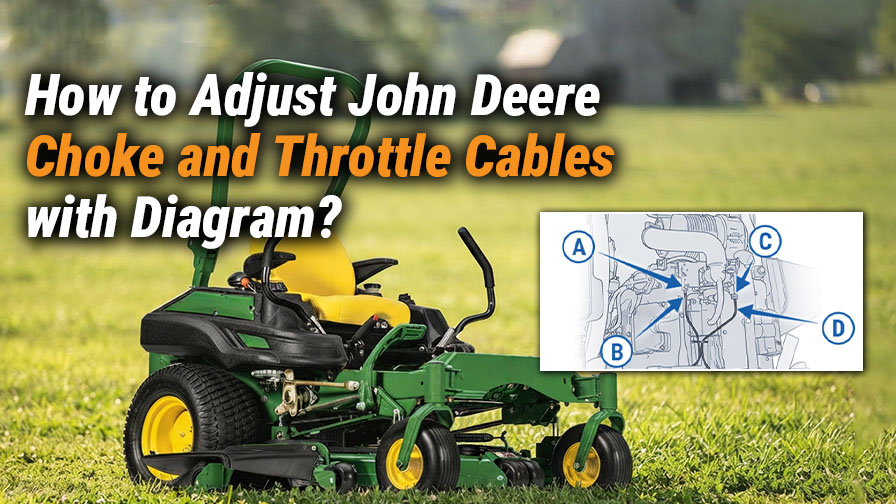
The choke on a John Deere lawn tractor is essential for starting the engine. In order for an engine to start after it has been sitting for even just a few hours, the engine needs to be choked to start. When you push the throttle all the way up into the choke position, it closes a large portion of the air intake, so more fuel gets to the engine. When the throttle cable becomes out of adjustment, the choke may not be working. In this case, you may need a choke linkage diagram for easy adjustment.

Craftsman Chainsaw Fuel Line Diagram
Oct 6, 2026

Craftsman Chainsaw Fuel Line Diagram

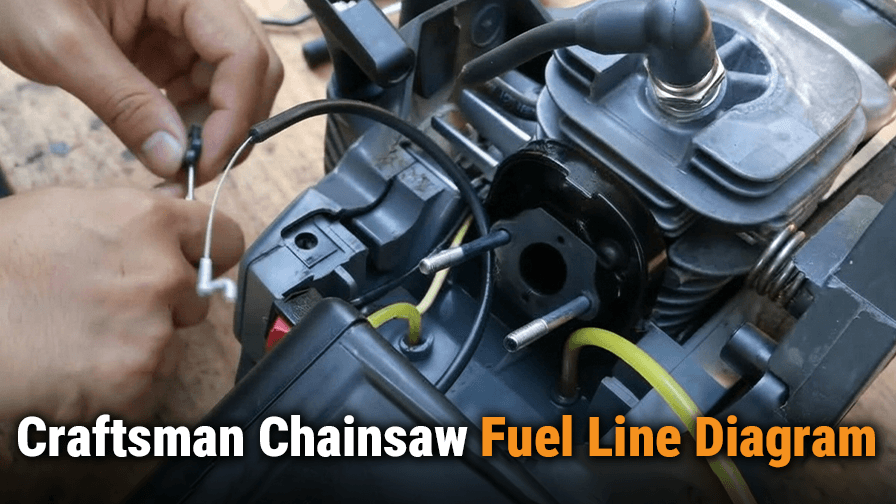
A broken fuel hose will stop your engine from running. This guide provides a clear Craftsman chainsaw fuel line diagram and step-by-step instructions to help you easily identify, route, and replace brittle fuel lines.

Stihl Chainsaw Chain Size Chart: A Complete Buying Guide 2026
Oct 5, 2026

Stihl Chainsaw Chain Size Chart: A Complete Buying Guide 2026

Understanding Stihl chainsaw chain specifications is essential for safe operation and efficient cutting. Pitch, gauge and number of drive links are three key elements of your Stihl Chains. In this guide, we’ll give you a complete Stihl chainsaw chain size chart for popular models and help you find the right replacement.

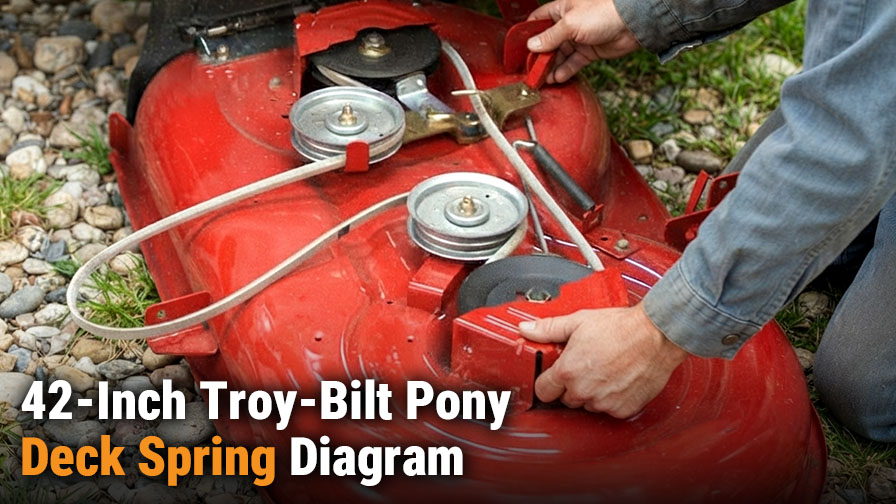
42-inch Troy-Bilt Pony Deck Spring Diagram Explained
Oct 4, 2026

42-inch Troy-Bilt Pony Deck Spring Diagram Explained

Use our 42-inch Troy-Bilt Pony deck spring diagram to easily locate the belt tension and PTO cable springs. This guide explains what each spring does and provides step-by-step instructions to replace them and fix your mower.

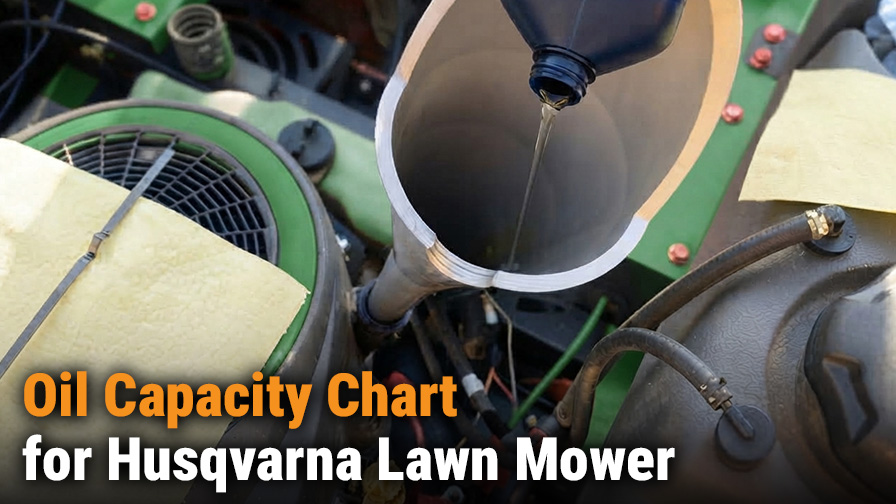
Husqvarna Lawn Mower Oil Capacity Chart and Service Guide
Oct 4, 2026

Husqvarna Lawn Mower Oil Capacity Chart and Service Guide

Husqvarna lawn mower oil capacity varies by engine, not just the model. As a general guide, push mowers take 15 to 20 oz, while riding mowers take 48 to 64 oz. This chart and service guide break it down. Zero-turns use 64 oz or more. But some models were sold with more than one engine option. That changes the correct amount. Check the engine tag and the dipstick. Fill slowly. Add 80 to 90 percent of the listed capacity first. Wait for it to settle. Then top off in small amounts. For oil type, SAE 30 works in warm weather. 10W-30 handles mixed temperatures. Synthetic 5W-30 covers a broader range. Use detergent oil rated SF, SG, SH, SJ, or higher. Check the oil every 5 hours of runtime. Change it every 50 hours or once per season. Shorten that for dusty or heavy use.

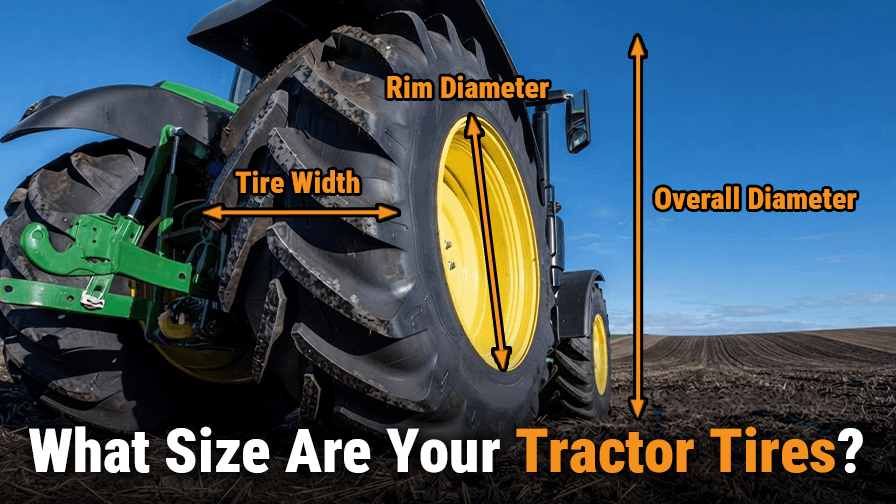
Tractor Tire Size Chart (2026): Inches, Metric & Fitment Explained
Oct 3, 2026

Tractor Tire Size Chart (2026): Inches, Metric & Fitment Explained

Tractor tire size chart: inches, metric and fitment explained. The sidewall numbers only tell you part of it. Whether the tire fits your rim is one question. Whether it matches your front axle is another. On MFWD tractors, front and rear tires must maintain the correct rolling circumference ratio. Get that wrong and the front axle pulls too hard or too little. That leads to driveline strain and uneven tire wear. A tire from a different brand can have a different rolling circumference even with the same labeled size. So a front tire chart alone is not enough. You need the rear data too. Standard bias sizes like 16.9-30 mean 16.9-inch width and 30-inch rim. Metric sizes like 380/70R24 use millimeters for width and aspect ratio. Check load index, speed index, tread code, and approved rim width before ordering.

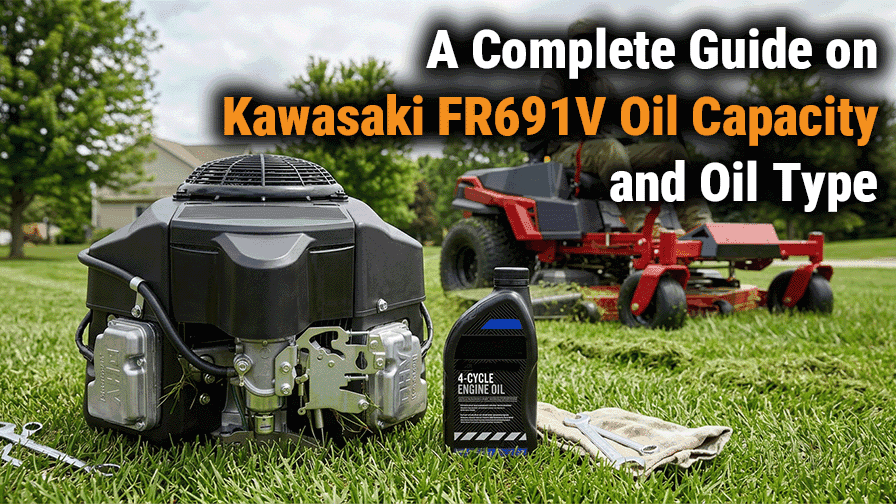
Kawasaki FR691V Oil Capacity and Oil Type: A Complete Guide 2026
Oct 3, 2026

Kawasaki FR691V Oil Capacity and Oil Type: A Complete Guide 2026

The oil type recommended in Kawasaki’s manual is 10W-30 or 10W-40. For most FR691V engines, the factory dipstick says 10W-30 right on it. Historically, Kawasaki has referred to 10W-40 as the right engine oil for general use on these engines.

For temperatures above 90°F, Kawasaki recommends using 10W-40, 20W-50 or 15W-50. In the recent documents from Kawasaki, 20W-50 is listed as acceptable for any temperature above freezing, as using this type of oil can reduce the oil consumption that was being observed with 10W-40 and similar weights.

Generac Error Code 1505: RPM Sense Loss
Oct 2, 2026

Generac Error Code 1505: RPM Sense Loss

Generac error code 1505 indicates an RPM sense-loss fault, meaning the controller can’t detect the engine’s rotation speed during cranking. Discover how to troubleshoot the battery, starter, and wiring to clear this alarm.

6.7 Cummins Oil Capacity Chart: Full Guide by Model Year
Oct 2, 2026

6.7 Cummins Oil Capacity Chart: Full Guide by Model Year

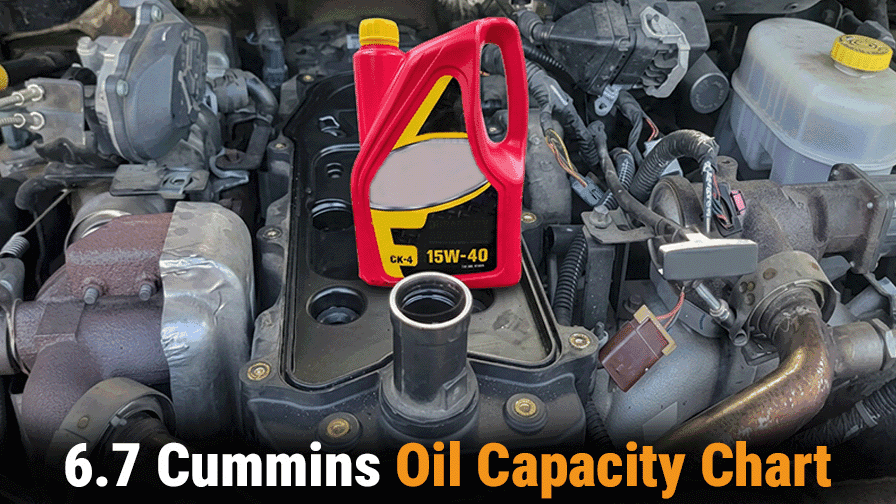
6.7 Cummins oil capacity chart: full guide by model year. The short answer is 12 quarts with a filter change on a stock pan. Drain only without pulling the filter and expect about 11 quarts. Roughly a quart stays behind in the filter and upper galleries. Every generation from 2007.5 through 2025 holds 12 quarts with a filter. Aftermarket high-capacity pans hold 14 to 15 quarts. The commercial B6.7 engine holds 16 quarts with a standard pan or 19.5 quarts with a high-capacity pan. Do not confuse those numbers with the Ram pickup fill. Pre-filling the filter cuts down the dry-crank window. When you do that, the crankcase pour ends up slightly under 12 quarts. Check the final level with the dipstick. Fill in stages. Pour 10 quarts to start. Run the engine for 30 seconds. Shut down and wait 10 minutes. Check the dipstick. Add slowly until you reach the MAX line. Overfilling causes foaming. Skipping the filter leaves contaminated oil in the system. Wrong specification shortens DPF life. Change intervals vary by model year and duty cycle. Severe duty covers most working trucks.

Carrier Reefer Alarms: What They Mean and What to Do?
Oct 2, 2026

Carrier Reefer Alarms: What They Mean and What to Do?

Your Carrier reefer units are designed with multiple sensors, safety protections and a monitoring system. When something goes wrong outside the normal operating range, the controller generates an alarm code, which may reflect related issues, such as temperature deviations, sensor failures, power supply problems, compressor protection, airflow restrictions, defrost issues, communication failures and mechanical or electrical faults.

John Deere Compact Track Loader & Tractor Fuse Box Diagram
Oct 1, 2026

John Deere Compact Track Loader & Tractor Fuse Box Diagram

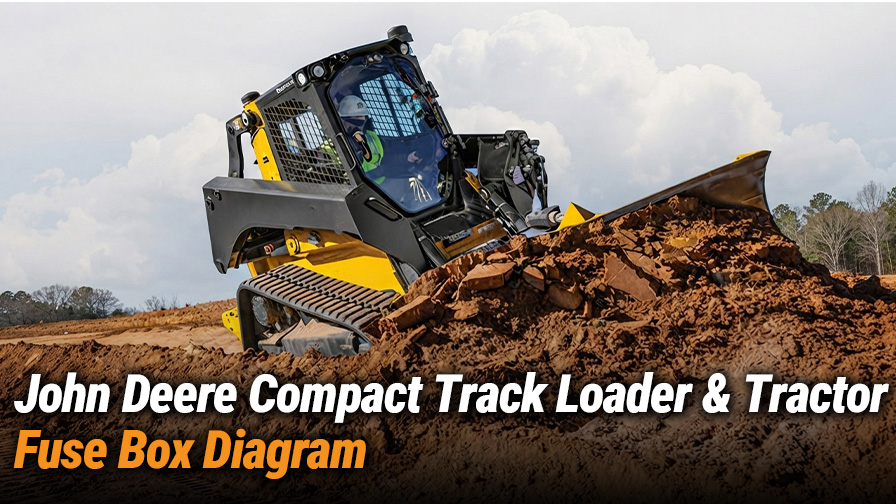
John Deere fuse box diagram pack for compact track loaders (333G, 331G) and tractor 5103. Includes grid and rectangular panel maps, fuse amperages and relay slots so operators can find blown fuses, match colors and restore equipment safely in the field.