

Heavy equipment has lots of moving parts and is pretty complex. Keeping it running well directly affects performance and service life. Two key fluids are essential: engine oil and transmission fluid. So is transmission fluid the same as engine oil? No way. Engine oil lubricates engine parts, while transmission fluid works like hydraulic oil for the transmission. They’re both oils but have different formulas, uses, and even colors. Never swap one for the other.
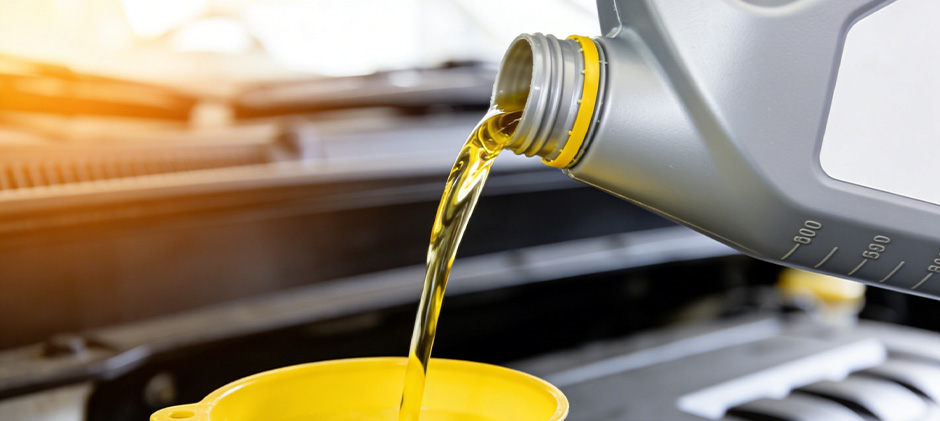
What Is Transmission Fluid?
Machines like tractors, excavators and loaders need transmission fluid for more than just greasing gears. It’s usually an all-in-one oil, often called THF or UTTO. Even with “transmission” in the name, it does way more.
- Lubrication: It coats gears, bearings and moving parts in the transmission and rear axle so metal doesn’t rub and wear out.
- Hydraulic power: This is super important for heavy gear. The same oil lubricates the transmission and runs the hydraulics to move buckets, arms and lift heavy loads.
- Cooling: Moving parts get hot, and transmission fluid takes the heat away to stop damage.
- Friction control: It sounds odd but it’s really important. The oil keeps just the right friction so wet clutches and brakes work smoothly with no slipping or shaking.
Types of Transmission Fluid
- UTTO (Universal Tractor Transmission Oil): This is the most common oil for farm and construction equipment. It works for the transmission, hydraulics, wet brakes, and final drives all in one. But “universal” doesn’t mean it fits every machine — always follow the manufacturer’s specs.
- THF (Tractor Hydraulic Fluid): It works a lot like UTTO and handles both hydraulic and transmission jobs.
- Special Transmission Fluid: Some heavy equipment, like trucks with big manual or power-shift transmissions, needs special fluid such as TO-4. You can’t use these in regular hydraulic systems. They’re made just to protect gears and clutches under heavy pressure.
What Is Engine Oil?
The working environment inside the engine is very harsh, with extremely high temperatures and high pressures, and also produces combustion waste such as soot and acidic substances. The oil is formulated specifically for this harsh environment and can maintain stable operation.
- Lubrication: Engine oil coats pistons, cylinder walls, crankshafts, bearings, and valves. It keeps everything moving smoothly and cuts down on friction and wear.
- Cooling: The radiator does most of the cooling, but oil helps too. It pulls heat from spots the coolant can’t reach, like under pistons and around bearings.
- Cleaning: Diesel engines make lots of soot. Oil’s detergents clean up carbon buildup and spread out gunk so it doesn’t clump. Then the oil carries it to the filter.
- Sealing: Oil fills the gaps between piston rings and cylinder walls. This stops high-pressure gas from leaking into the crankcase, keeps your engine running strong, and keeps the oil clean.
Types of Engine Oil
Engine oils are specially made for their own job. They’re grouped by thickness and quality standards from groups like API.
Thickness grades tell you how thin or thick the oil is. Most heavy equipment uses multi-grade oils such as 15W-40 or 10W-30. The first number shows how it flows when it’s cold, and the second one shows how thick it stays when the engine is running hot.
For modern diesel engines, go with oils that meet current API ratings like CK-4 or FA-4. These oils are made to handle tough daily work and protect your engine from damage, heat, and air bubbles.
Related Read: SAE 30 vs 10W30: Which Engine Oil Is Better?
Is Transmission Fluid The Same As Engine Oil?
No, they’re completely different. Both are lubricants, but their chemical makeups are totally different, made for opposite jobs in different systems. Mixing them up can quickly cost you thousands in equipment damage.
| Feature | Heavy-Duty Engine Oil | Heavy-Duty Transmission Fluid (UTTO/THF) |
|---|---|---|
| Primary Function | Minimize friction. Create an ultra-slippery surface to protect engine parts from wear in a high-soot environment. | Control friction. Provide lubrication while allowing wet brakes and clutches to grip firmly without slipping or chattering. |
| Key Additives | High levels of detergents and dispersants to manage soot and sludge. Anti-wear agents like ZDDP. | Friction modifiers to fine-tune clutch/brake engagement. Extreme Pressure (EP) additives for gear protection. Anti-foaming agents. |
| Appearance | Typically amber-colored when new. Quickly turns black in a diesel engine as it collects soot. | Often clear, amber, or sometimes dyed a specific color. It darkens slowly over time from oxidation, not soot. |
Engine oil is like a hockey puck on ice — it’s made to be super slippery. Transmission fluid for wet brakes is like a shoe on a gym floor — it lets you move but grips when needed. You wouldn’t play hockey in sneakers or run on ice in skates.
Can I Use Engine Oil As a Substitute for Transmission Fluid?
Never do this, not even in an emergency—it’s really dangerous.
- Wet brakes fail: Engine oil is too slippery: Wet brakes soaked in engine oil can’t create enough friction, so when you step on the brake, the machine keeps moving. Very unsafe.
- Powershift clutch gets ruined: Powershift clutches need the right friction to work. Engine oil makes them slip, causing high heat, hardening the clutch plates, warping the steel discs, and quickly ruining the transmission.
- Hydraulic system damage: Engine oil doesn’t have the foam-fighting additives that hydraulic oil does, so it gets foamy. Foam ruins hydraulic power, so attachments move slowly or not at all. Bubbles can also damage the pump.
If you accidentally put engine oil in the transmission or hydraulic system, don’t start the machine. Have a mechanic drain and flush it fully, or you’ll cause damage.
How Long Do Transmission Fluid and Engine Oil Last?
Heavy equipment maintenance is usually based on operating hours. Always check your machine manual for the exact schedule.
Engine oil: Change it every 250–500 hours. It depends on the engine, the oil type (synthetic lasts longer), and how hard you work the machine. Machines running in dusty quarries need more frequent changes than those on smooth ground.
Transmission oil (UTTO/THF): Lasts much longer, usually 1,000–2,000 hours. It runs in a sealed system, so it doesn’t get contaminated like engine oil, but its additives wear out over time and break down from heat, so it still needs regular replacement.
Maintenance Recommendations
Before you start the machine each day, walk around it — this is the easiest way to catch leaks. Check under the engine and transmission for drips or wet spots.
Shut off the engine for at least 15 minutes, then take out the dipstick. Wipe it clean, push it all the way back in, then pull it out again to check the level. It should be between the “full” and “add” lines. If it’s low, add the right oil. Check often — a sudden drop means a leak or engine issue you need to fix.
Transmission / hydraulic oil check
Every machine is a bit different. Some have a dipstick like the engine, others have a sight glass. Check your manual to see if you should check it with the engine running or off. Low fluid usually points to a leak. If the oil looks milky or foamy, water or air got in.
Conclusion
Engine oil and transmission fluid aren’t the same—they’re specialized lubricants designed for different and often opposite jobs. If you notice issues, change the fluids and filters right away. FridayParts also offers high-quality transmission and engine parts. Don’t ignore problems; get them repaired early to avoid bigger, more expensive damage.
