

The DPF pressure sensor is a small component, but its impact on equipment performance is significant. When it fails, your machine can lose power, consume more fuel, and suffer long-term damage. This guide covers everything equipment operators need to know about DPF pressure sensor failure, including what causes it, how to recognize it, and how to address it before it becomes a costly repair.
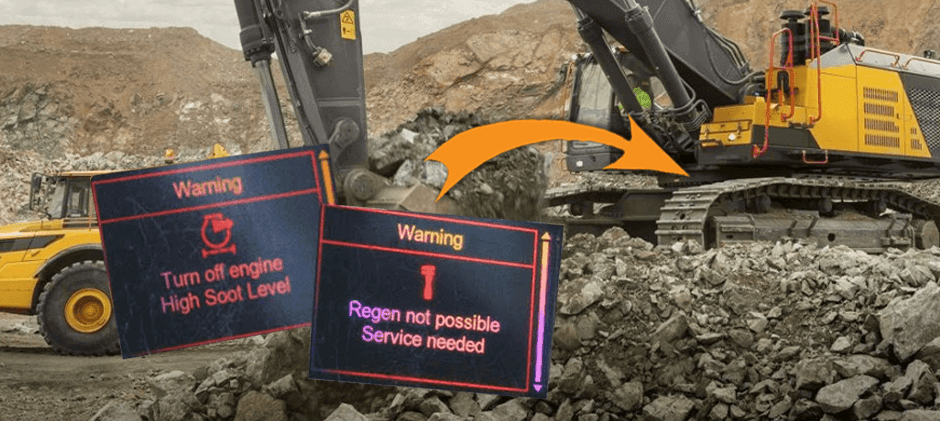
What Is A DPF Differential Pressure Sensor?
A DPF differential pressure sensor, sometimes referred to simply as a DPF pressure sensor, is a critical component of your emissions control system. Its main function is to measure the pressure difference between the inlet and outlet of the particulate filter. A clean filter produces a low differential pressure. But as soot accumulates, resistance increases and the pressure differential rises. This sensor sends the real-time pressure data to the engine control module (ECM) and determines when a regeneration cycle should occur. During regeneration, the engine heats the exhaust to burn off trapped soot automatically.
If the sensor fails, your ECM loses the ability to manage regeneration cycles properly, leading to warning lights, reduced performance and potential engine damage. For diesel-powered equipment like tractors, excavators and wheel loaders, this sensor is especially important because diesel engines naturally produce more particulate matter than gasoline engines, making precise DPF management essential for reliable operation. Recognizing the early signs of sensor failure allows you to address the problems before it escalates into more expensive repairs, such as a clogged filter or engine limp mode lockout.
Symptoms of Failing DPF Pressure Sensor
Check Engine Light or Amber Warning Indicator
A fault code related to DPF pressure readings will trigger the check engine light on your dashboard, or you may see a dedicated amber DPF warning symbol. This is typically the most noticeable sign that something is wrong with your pressure sensor system.
Limp Mode or Reduced Power
Your engine may enter a protective “limp mode” that limits power output to prevent damage. You’ll notice acceleration feels sluggish, the machine bogs down under load, and overall responsiveness drops noticeably compared to normal operation.
Excessive Exhaust Smoke or Odor
A faulty sensor often prevents proper regeneration cycles, allowing unburned soot to accumulate and exit through the exhaust. You may see black or dark gray smoke from the exhaust outlet, along with a strong, acrid smell.
Rough Idling or Stalling
Incorrect pressure readings can cause your ECM to miscalibrate fuel injection timing and fueling strategy, resulting in a rough, lumpy idle or unexpected stalls, especially during low-load or idle conditions.
Increased Fuel Consumption
A sensor that feeds incorrect data to the ECM can cause the engine to run richer than necessary or trigger unnecessary regeneration cycles, both of which waste fuel.
Inability to Regenerate the DPF
Without accurate pressure reading, your engine cannot initiate or complete a proper active regeneration cycle. The DPF loads with soot more quickly than normal, and you may notice the regeneration process cycling very frequently or failing to complete at all.
What Causes DPF Pressure Sensors to Fail?
Many factors contribute to the DPF pressure sensor failure.
- Soot and Carbon Buildup: The exhaust soot gradually coats the pressure-sensing diaphragm, reducing its ability to detect pressure changes accurately. The problem worsens when regeneration cycles are incomplete or when the machine operates at low load for extended periods.
- Moisture and Corrosion: Condensation can form inside the sensor housing during cold starts or in humid environments. Over time, this moisture corrodes internal contacts and degrades signal quality, leading to intermittent faults or complete sensor failure.
- Thermal Cycling and Stress: The sensor endures repeated temperature swings between cold idle and high-temperature regeneration events. This constant cycling causes material fatigue and cracking in internal components, weakening the sensor gradually over time.
- Connector and Wiring Problems: Engine vibration, heat, and moisture can loosen or corrode the connector between the sensor and ECM. A degraded connection often produces inconsistent fault codes that are difficult to diagnose until the connection fails.
What Happens If You Ignore Sensor Problems?
If you turn a blind eye to the DPF pressure sensor failure, more serious damage is likely to occur, accompanied by a sharp increase in repair costs. The problems include a clogged DPF, damaged turbocharger, clogged EGR and injection failure. See 12 Symptoms of Clogged DPF and How to Clean It here.
What’s the Difference Between Sensor Failure and Clogged DPF?
The symptoms can be confused with a clogged DPF. So here is a comparison table to help you identify these two different problems.
| Situation | Symptoms | Solution | Recommended Tool |
|---|---|---|---|
| Faulty Sensor | Warning light with no power loss, erratic fault codes, normal exhaust | Sensor replacement | Diagnostic scanner |
| Clogged DPF | Noticeable power loss, frequent regeneration requests, black smoke | Professional DPF cleaning | DPF machine |
| Both | Persistent failures after a single repair, multiple fault codes | Complete diagnosis | Diagnostic scanner + DPF machine |
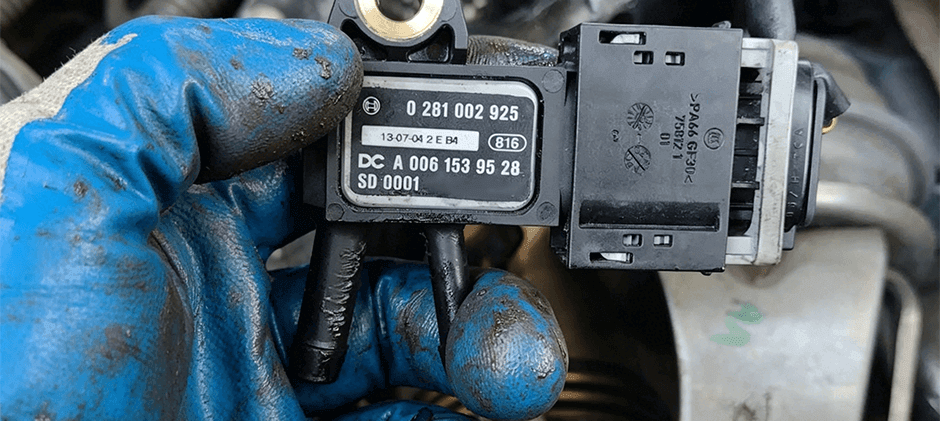
Simple Steps to Diagnose A Faulty DPF Pressure Sensor
- Read Fault Codes
Connect a diagnostic scanner to your ECM and record all DPF pressure-related codes. Note any additional codes pointing to wiring or connector issues. - Locate and Visually Inspect the Sensor
Find the sensor in your engine compartment using your service manual. Check for physical damage, soot buildup, loose mounting hardware, and any signs of corrosion or moisture on the connector. - Test Sensor Voltage
With the machine on level ground, parking brake engaged, and attachments lowered, use a multimeter to measure the signal wire voltage at idle and rated RPM. Compare readings against your service manual specifications. - Check Pressure Hoses and Tubing
Inspect all hoses connecting the sensor to the DPF for cracks, kinks, loose fittings, or blockage. A blocked or damaged hose will cause incorrect readings even if the sensor itself is functional. - Replace if Necessary
If all checks point to a sensor failure, have a qualified service technician replace the sensor. Confirm fault codes clear and the signal returns to normal after installation.
Wrapping up
A failing DPF pressure sensor rarely announces itself dramatically. In most cases, it starts with a warning light or a subtle drop in performance. These are symptoms easy to dismiss until the problem becomes serious. Understanding these early signs and following a systematic diagnostic process will save you time and money. When in doubt, consult a qualified service technician and always reference your equipment’s service manual before replacing any components. FridayParts carries a wide range of pressure sensors compatible with major construction equipment brands.
Related Articles You Might Enjoy
Diesel Particulate Filter Every Beginner Should Know
What is DPF Regeneration And How Does It Work?
What the DPF Warning Light Means and How to Fix It?
Is a DPF Delete Worth It? The Real Risks for Your Equipment?
