

What is a DPF? Why is it important? Maybe you’ve heard the term “DPF” before but have absolutely no idea what it means and entails. This may cause Kubota DPF issues. In this guide, we’ll explain everything a tractor beginner should know about DPF.
What Is DPF Filter on A Tractor
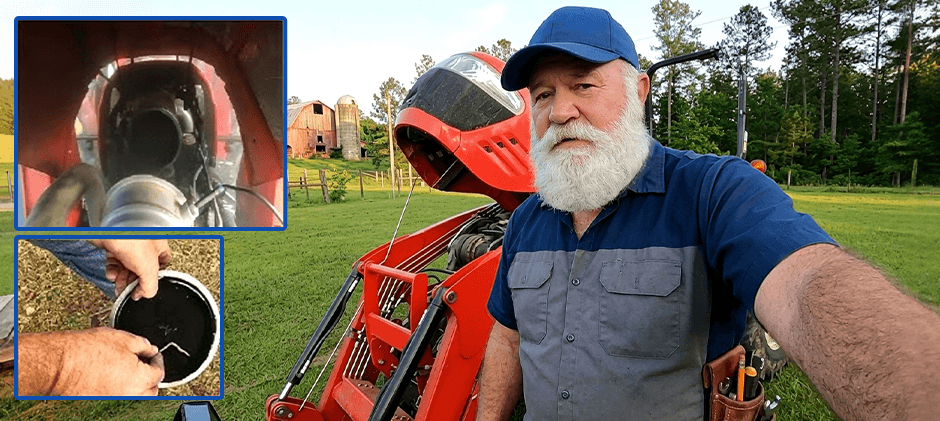
A DPF, otherwise known as a diesel particulate filter handles removing black soot from the exhaust gas. It has been used by many diesel-fueled trucks since 2007 and tractors since the introduction of EPA Tier 4 Interim regulations around 2011. The device catches and traps unburnt fuel to be burned out at a later time, such as while the tractor is carrying a heavy load or undergoing a regeneration cycle. The soot is burned out anytime the exhaust temperature is elevated. This way, there’s no visible smoke coming from the exhaust pipe. And that signals the ending of black smoke billowing from your diesel engine.
How Does the DPF Work
The DPF‘s job is to catch particles before the exhaust reaches the atmosphere. When they clog up with soot, it needs to be emptied. This kind of buildup within your filter can limit the exhaust flow, increase back pressure and then reduce fuel efficiency in your Kubota tractor. When the filter fills with pollutants, regeneration initiates.
Regeneration Types
Regeneration burns off excess soot within the filter, converting it into carbon dioxide and water vapor that pass through the filter. However, a small amount of ash residue remains after each cycle. Unlike soot, ash cannot be burned off and will gradually accumulate, eventually requiring professional cleaning or filter replacement. This process is necessary to restore soot collection capacity. There are three types of regeneration: passive, active and forced regeneration. Each triggered under different conditions. For a full breakdown of how each type works, see our guide: What is DPF Regeneration and How Does It Work?
How Long Does a DPF Last
The diesel particulate filter will burn away the particles approximately every 15 to 20 hours of Kubota operation. This is called regeneration. Different operating conditions may require different regeneration times. Generally, at 3,000 hours of Kubota operation and hundreds of regeneration cycles, your DPF will reach its peak ash accumulation. That indicates your tractor needs a professional cleaning. This ash is due to engine wear. Fuel and lubricants are also contributing factors. See When and How to Clean A DPF Filter here.
Symptoms of a Blocked DPF
Your tractor’s DPF may be blocked if you notice these 12 signs:
- Loss of power under load
- Frequent regeneration requests
- A failed or interrupted regen
- Derate or limp mode
- DPF or check-engine lights
- Higher fuel consumption
- High exhaust temperature events
- Rising differential pressure readings
- Turbo lag
- Unusual exhaust smell/heat
- Excessive fan run time
- Poor throttle response
Major Causes
The diesel particulate filter can be clogged due to the following factors.
- Light-load operation
- Engine soot production
- Ash accumulation
- Poor fuel quality
- Oil consumption
- Exhaust leaks
- Sensor faults
- Interrupted regen habits
7 Steps to Follow
It is critical to address clogs as soon as possible. Blocked DPFs can lead to engine problems, higher emission levels and decreased fuel efficiency. You can follow the steps:
- Reduce load and avoid extended high-RPM work
- Check the dash messages for regen instructions
- Attempt an active/parked regen the correct way
- Inspect for basic airflow and fueling issues
- Scan fault codes and record freeze-frame data
- Evaluate whether the DPF is soot-loaded or ash-loaded
- Fix the cause before clearing codes and returning to work
See full guide on Clogged DPF Symptoms, Causes & Fixes here.
Is DPF the Same as DEF?
Many tractor owners may have a question in mind. Actually, the DPF and DEF solve different problems. While most machines have both, they do different jobs. A DPF is a physical part (diesel particulate filter) that targets soot to reduce black smoke. If it fails, it can lead to high backpressure, power loss and potential shutdown. The solution to a clogged DPF is to complete the regen and clean or replace your diesel particulate filter when necessary. In contrast, a DEF is a liquid used by the SCR system that aims to deal with NOx gases. You may suffer from reduced engine power and nonstart if it fails. All you need to do is keep the DEF tank filled with clean and the right DEF. For more details, please read What’s the Difference Between DPF and DEF.
Wrapping up
Understanding your tractor’s DPF is the first step to avoiding costly downtime. From trapping soot to triggering regeneration cycles, the DPF plays a critical role in keeping your diesel engine running cleanly and efficiently. Stay on top of warning signs, let regeneration cycles complete, and address blockages early before they escalate into bigger problems. When it comes time to replace related components — whether that’s differential pressure sensors, exhaust temperature sensors, gaskets, or other parts — FridayParts carries a wide range of replacement parts for your Kubota tractors and other off-road equipment.
