

Scraping thick grass from under your mower deck is messy and frustrating. But it’s more than just a small problem — grass buildup can cause rust, poor cutting, bad airflow, and more stress on your engine. This guide shows you simple, tested methods that real mower owners use to stop grass from sticking. These tricks will keep your mower cleaner, easier to maintain, and ready for work longer.
Why Does Grass Stick to the Mower Deck?
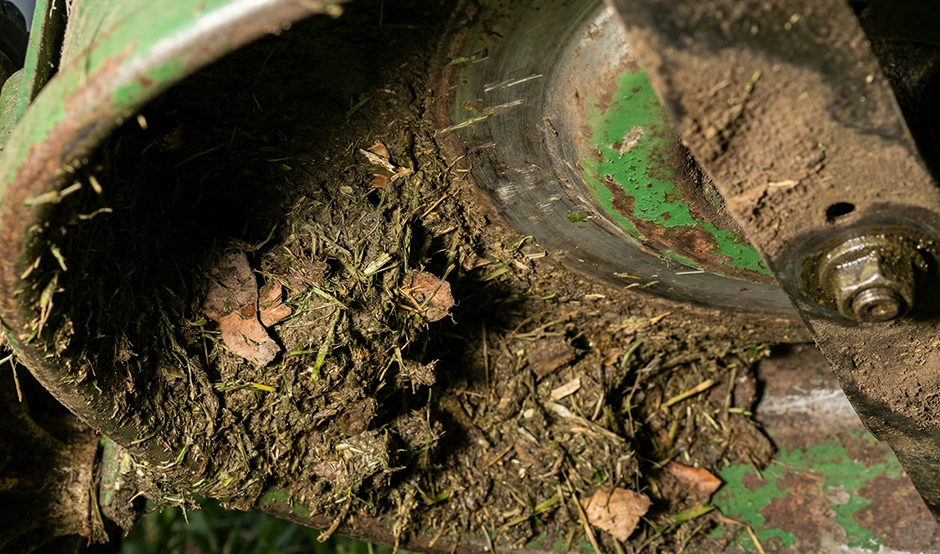
Grass sticks under your deck mainly because it’s wet and sticky.
When grass is damp or freshly cut, it releases juice and sap that act like glue.
Once the paint under your deck wears off, rough metal or rust gives that grass even more to hold onto — turning every mow into a cleaning job.
4 Problems Caused by Grass Buildup
Grass stuck under the deck might seem harmless, but it can cause real trouble:
1. It Ruins Your Cut Quality
Grass buildup blocks the airflow that lifts and clears clippings.
Without airflow, you’ll get clumps, uncut spots, and messy stripes.
2. It Causes Rust and Corrosion
Wet grass holds water directly against the deck. Over time, that trapped moisture eats away at the metal.
3. It Strains Your Mower
Thick buildup makes blades heavy and uneven. The engine and belts have to work harder, using more fuel and wearing out faster.
4. It creates a Mess and a smell
Old grass cakes rot and smell bad — sometimes even making your garage stink.
When dry, the clumps break off and mess up your floor or driveway.
5 Effective Ways to Stop Grass Buildup
You can’t completely stop grass from sticking — but you can make it much easier to manage with these simple methods that professional landscapers use every day.
Method 1: Mow Dry Grass
This is the golden rule: Don’t mow wet grass.
Wait for the dew or rainwater to dry completely. Dry clippings are light, clean, and fly out easily.
Wet clippings are sticky, heavy, and leave a mess under your deck.
If the grass is still wet, many pros just find other work until it dries. As one mower owner said, “Efficiency and morale both go down when it’s soggy.”
Method 2: Clean the Deck After Every Use
Cleaning right after mowing saves time later.
Use a putty knife to scrape soft clippings before they dry hard.
A leaf blower or air compressor works great, too.
If you rinse with a hose, take care not to soak electronics — especially on electric or battery mowers.
Regular cleaning keeps your deck smooth and stops buildup from getting out of control.
Method 3: Apply a Non-Stick Deck Coating
A slick coating keeps grass from sticking to metal.
Many users compare it to cooking — “like a non-stick frying pan for your mower deck.”
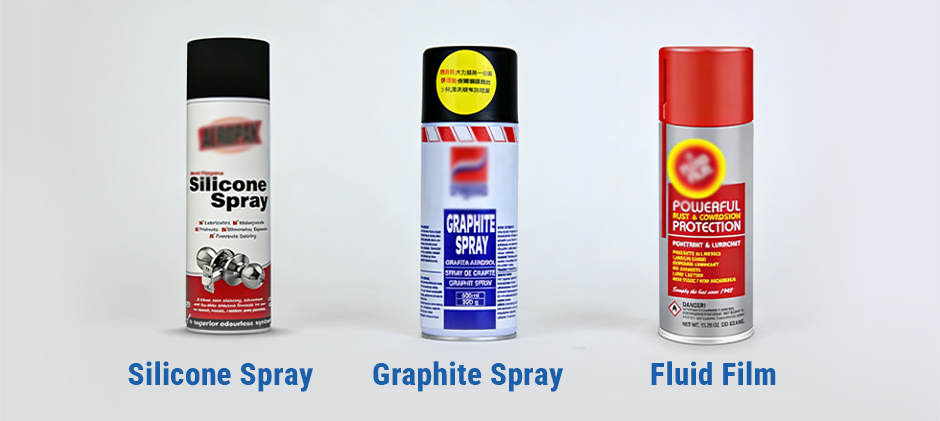
Here are common coatings used by lawn pros and hobbyists:
- Graphite Sprays — Create a dry, slick layer. Popular for lasting performance.
- Silicone Sprays — Easy to find, quick to apply, but may need reapplication mid-season.
- Fluid Film — A farmer’s favorite for preventing rust and easing cleanup.
Tip: Always start with a clean, dry deck. As one LCO (lawn care owner) said, “If it’s not clean enough to eat off, the coating won’t stick.”
Method 4: Sharpen or Replace Your Mower Blades
Grass buildup often starts with dull blades. Torn grass leaks more sap and moisture than clean-cut blades, making clippings stickier.
Keep your blades sharp for a smoother cut and drier discharge. If your blades are chipped, bent, or worn out, understanding how often to replace mower blades will greatly improve performance.
After sharpening, it’s also vital to know how to balance a lawn mower blade to prevent excess vibration.
Method 5: Use a Deck Washout Port (If Equipped)
Some newer mowers come with a built-in washout port on the deck top.
Attach a garden hose and let the water rinse underneath while the blades spin.
Adding a quick-connect fitting to your hose can make this cleaning step even faster.
Always follow your manual for safe use — and double-check that your deck is clean and fully dry afterward.
A Step-by-Step Guide to Applying a Deck Coating
Coating the underside of your mower deck helps keep it clean longer and prevents rust.
Here’s how to do it properly:
Step 1: Prepare for Safety
- Park on flat ground.
- Engage the parking brake.
- Remove the ignition key.
- Disconnect the spark plug wire so the mower can’t start accidentally. Learning how to tell if your spark plug is bad is another useful maintenance check.
Lift or tilt the deck safely. For riding mowers, use proper car ramps or jack stands to secure the machine before going underneath. Never rely on a hydraulic jack alone. For push mowers, tilt the mower so that the air filter and carburetor are facing up to prevent fuel or oil leaks.
Step 2: Clean the Deck Thoroughly
Remove all dried grass, dirt, and rust with a wire brush or putty knife.
Some owners use a pressure washer for tough buildup.
Make sure the deck is completely dry before applying any coating.
Step 3: Apply the Coating
Spray a thin, even layer of your chosen product (graphite, silicone, Fluid Film, or other).
Cover the full underside of the deck, especially around edges, spindle housings, and discharge areas.
Step 4: Let It Cure
Let the coating dry and harden fully before mowing again — this can take a few hours up to a full day.
Once cured, the surface will feel slick, and help clippings slide off instead of sticking.
Summary
Keeping your mower deck clean isn’t complicated — it just takes a few minutes of care each use. With sharp blades, dry mowing conditions, and a clean, slick deck, you’ll cut faster, prevent rust, and make your mower last longer.
If your blades are worn out or your deck parts are too rusted, it might be time to replace them. To keep your mower in top shape, explore FridayParts for reliable mower deck parts and replacement blades that give you a clean, even cut every time.
