

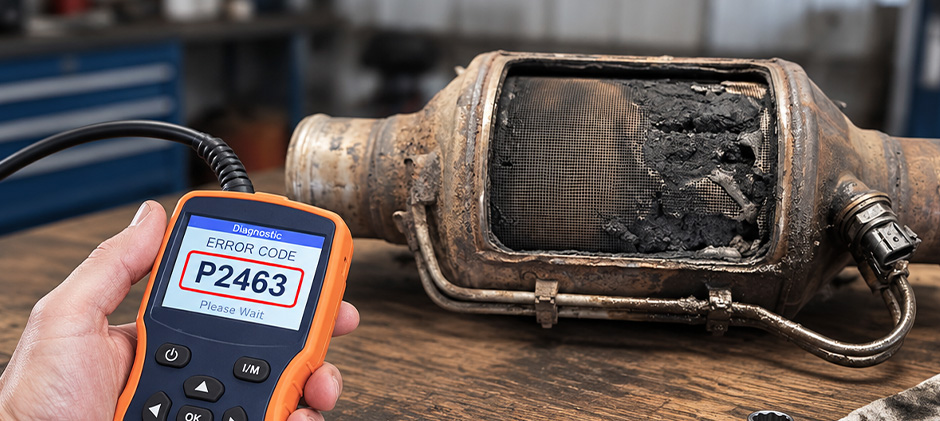
Tired of your diesel machinery throwing a diagnostic code P2463? This error code means your diesel engine’s computer has detected excessive soot buildup or abnormal pressure in the Diesel Particulate Filter. The catch? While it sounds like a simple clogged filter, ignoring this code can quickly trap your vehicle in “limp mode” or lead to catastrophic engine damage. Is it just a faulty $50 sensor, or are you facing a multi-thousand-dollar DPF replacement? Let’s break down the symptoms, causes, and how to fix it before your heavy-duty truck shuts down completely.
What Is the P2463 Error Code?
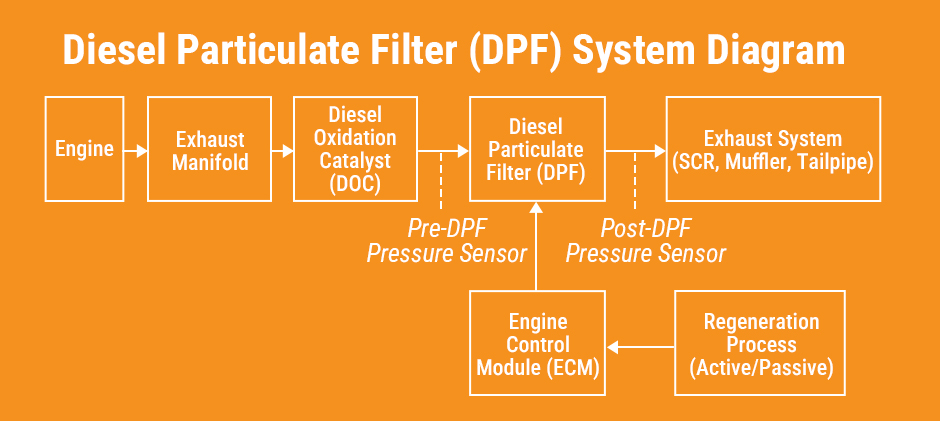
The P2463 code is a generic code that specifically applies to diesel engines. It is often sensor-related but can be tied to mechanical DPF problems. The DPF (Diesel Particulate Filter) traps solid particulate matter in diesel exhaust gases. Generally, the solid particulate matter is contained in the DPF until the engine goes through a regeneration process at high engine temperatures, where the soot particles are turned into harmless substances that can be safely released into the air. The P2463 fault code indicates that the engine control unit (ECU) has determined that there is too much resistance in the diesel particulate filter (DPF) or that the exhaust back pressure has exceeded the limit. Simply put, P2463 is recorded in the ECU when it believes that the diesel particulate filter (DPF) is holding too much excess soot or when the DPF pressure readings do not match normal DPF pressure values.
Common Symptoms of the P2463 Code
When the P2463 code pops up, you may notice the following warning signs:
- Warning lights on the dashboard, such as the check engine light and DPF warning light
- Engine power loss or limp mode under load
- Increased fuel consumption and poor fuel economy
- Frequent or constant regeneration attempts
- Strong smell of rich diesel exhaust
- Black smoke from the exhaust in severe cases
- Captiva DPF light stays on even after long drives
All these symptoms point to a P2463 diesel particulate filter restriction or incorrect pressure readings from the DPF system. If you’re interested in DPF pressure sensor failure symptoms, you can browse our blogs for more details.
Main Causes of the P2463
Just as there are many symptoms associated with the P2463 code, there are also many causes associated with it. Let’s see them one by one:
- Faulty DPF Differential Pressure Sensor: These sensors are exposed to harsh exhaust conditions and moisture, which cause them to fail internally or drift out of calibration and trick the PCM into thinking the filter is clogged.
- Clogged or Melted DPF Pressure Sensor Hoses: Rubber hoses connecting the DPF to the pressure sensor can get clogged with soot or melt due to their proximity to the hot exhaust system, resulting in incorrect pressure readings.
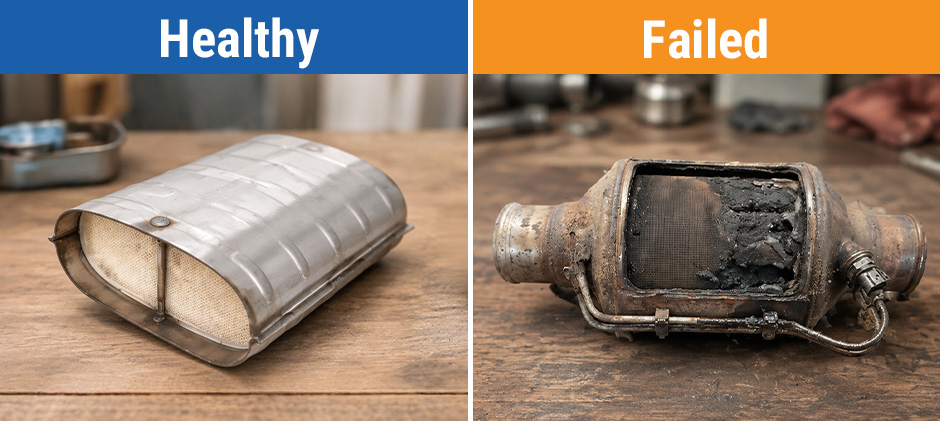
- DPF Clogged with Soot: Frequent short trips or prolonged idling prevent the exhaust from getting hot enough to trigger a passive DPF regeneration
- Exhaust Gas Temperature (EGT) Sensor Failure: The PCM cannot initiate or sustain regeneration, leading to soot accumulation
Is P2463 A Mechanical or Sensor-Related Fault?
As aforementioned, a clogged DPF is considered more of a mechanical issue, while a failed pressure sensor, blocked hoses or damaged wires are sensor-related problems. Determining which one it belongs to will help ensure the problem is diagnosed and repaired correctly. Sensor issues can lead to mechanical damage. For instance, a failing sensor may prevent regeneration and cause DPF overload. If you start testing the sensor and the pressure spikes oddly, it’s more of a mechanical problem.
How to Fix the P2463 Code?
Tired of the diesel truck throwing code P2463? Here are simple steps to get rid of this situation:
Inspect Freeze Frame Data & Live DPF Pressure Readings
- You should use an OBD-II scanner to check the freeze frame and real-time DPF pressure data for your engine.
- Make sure the DPF pressure reading is low at idle and increases steadily as the engine speed rises.
- An increased DPF pressure reading at idle indicates a faulty sensor.
- Flat or fluctuating readings point to a shorted or leaking hose or electrical wires associated with the P2463 diagnostic code.
- Normal pressures are 0-2 psi at idle, up to 10 under load. False readings show spikes.
Check and Clean DPF Pressure Sensor Hoses
- Check the pressure hoses for soot or moisture buildup
- Use compressed air for light buildup
- Replace the hose that is crushed, broken or severely blocked
Test or Replace the DPF Differential Pressure Sensor
- Use live data readings or a multimeter to check the sensor’s functionality
- The sensor may have failed if the reading remains stable under all conditions
Force or Complete a DPF Regeneration
- Utilize a compatible scan tool for DPF regeneration if blocked with soot
- Operate your machinery for about 30 minutes at 40 mph or higher
- The P2463 code occurs and the DPF has reduced flow if a forced regeneration fails
Clear the Code and Perform a Road Test
- Reset the P2463 (exhaust filter) code and perform a road test
- Review the data recorded as live pressure values using a live scanner
- If done correctly, live pressure values stay stable during the test, and no new fault codes appear after completing the test
Is It Safe to Operate with the P2463?
It depends. You may be able to operate your machine with this diagnostic trouble code, despite more smoke than usual. But if the P2463 engine code is causing drivability issues, it can be a serious code. In this situation, you should avoid continuing to operate your machine or drive your heavy-duty trucks consistently with this code active.
Final Thoughts
A P2463 code is not something you should ignore. Whether it is a simple sensor hose or a physically blocked DPF, diagnosing the issue early will save you from costly engine damage and unexpected downtime. At FridayParts, we commit to offering a vast range of reliable DPF differential pressure sensors, temperature sensors and exhaust components for your diesel equipment. Explore our extensive catalog today and clear that P2463 code for good!
