

A coolant hose leak can stop your machine cold. Your engine gets hot, and coolant is what keeps it from overheating. A small leak can turn into a big problem fast, causing your engine to overheat and break down. This guide shows you how to find the leak, fix it the right way, and get back to work without worrying about a breakdown.
When to Stop Your Engine Immediately
If you see a problem, shut the machine down right away.
- Stop if the temp gauge goes up or you see coolant spraying. Running a hot engine for even a few minutes can cause serious damage.
- Stop if you smell something sweet or see steam. A sweet smell is burning coolant. Steam or hissing means hot coolant is escaping.
Clear Statement: Fixing a hose is cheap. Fixing an overheated engine is not.
7 Signs of a Coolant Hose Leak
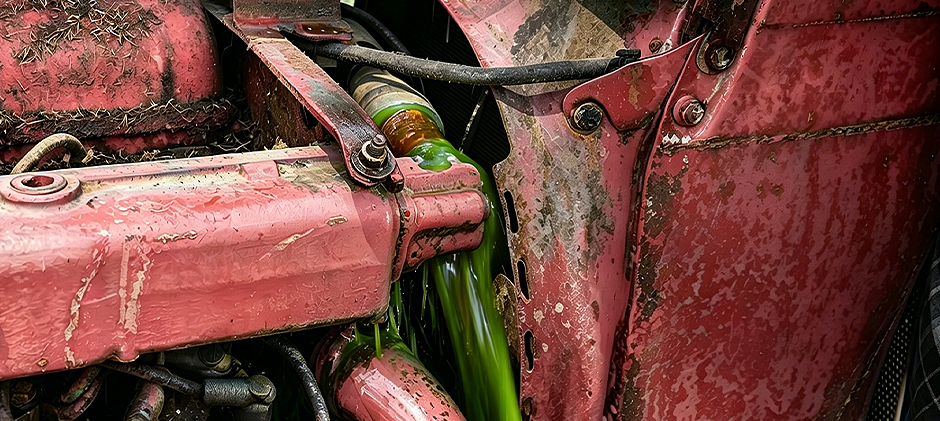
You can often spot a leak before it gets serious. Look for these clues:
- The coolant level in the tank keeps dropping.
- You smell a sweet odor after shutting the machine down.
- The outside of a hose looks wet or has crusty colored lines on it. You can learn more about the signs of a bad radiator hose in our detailed guide.
- You see green, pink, or white stains on the engine or frame near hoses.
- The engine temperature suddenly spikes.
- The heater in your cab stops blowing hot air.
- There are puddles under the machine after it’s been parked.
“A stain today is a burst hose tomorrow.”
Why Do Hoses Leak on Heavy Machines?
Hoses on heavy machines take a beating. They get old from heat, worn down from rubbing on things, and shaken loose by vibration. Most leaks happen because a hose has gotten soft, a clamp has come loose, or the hose has rubbed a hole in itself.
Clear Statement: If a hose is rubbing, it will eventually leak.
How to Find the Exact Leak
Finding the leak is the most important part of the job. Don’t guess.
1. Look When the Engine is Cold
Always start with a cool engine to avoid getting burned. Look for wet spots or colored trails that show where coolant has been running. Check the ends of the hoses first—that’s where most leaks start.
2. Use Cardboard and a Flashlight
Slide a big piece of cardboard under the engine. Any drips will land on it and show you the general area of the leak. A flashlight shone along the hoses can help you see shiny wet spots you might otherwise miss.
3. Use a Pressure Tester (Safely)
A cooling system pressure tester is a tool that pumps air into the system. With the engine off, you can use it to add a little pressure, which will make tiny leaks drip and become easy to see.
4. Make Sure It’s the Hose
Sometimes a leak from a water pump or thermostat housing can drip onto a hose, making it look like the hose is the problem. Always follow the wet trail up to the highest point. That’s usually where the leak starts.
“The leak starts at the highest wet spot.”
What Tools and Parts You’ll Need
Having the right stuff on hand makes the job quick. You will likely need:
- Tools: Screwdrivers, pliers, a pan to catch the old coolant, a knife, and a flashlight.
- Parts: The correct new hose, new hose clamps, and the right kind of coolant for your machine.
Clear Statement: If you replace the hose, replace the clamps too.
8 Steps to Replace a Coolant Hose
Follow these steps for a leak-free fix.
- Let the engine cool down completely. Never work on a hot cooling system.
- Let the pressure out slowly. Once cool, put a rag over the radiator cap and turn it slowly to release any leftover pressure.
- Drain the coolant. Open the drain on the radiator and let enough coolant out so the leaky hose is empty. Catch the old coolant—it’s poison to animals. Open the drain on the radiator and let enough coolant out so the leaky hose is empty. For a complete job, you might want to flush the entire cooling system. Catch the old coolant—it’s poison to animals.
- Take a picture of the old hose. This helps you remember exactly how the new one should be routed so it doesn’t rub or kink.
- Remove the old hose and clamps. You may need to twist the hose to break it free from the metal pipes.
- Clean the metal pipes. Scrape off any old rubber or crusty buildup so the new hose has a clean surface to seal against.
- Install the new hose and clamps. Slide the hose all the way on. Put the clamps in the right spot (just behind the raised lip on the pipe) and tighten them so they are snug.
- Refill with new coolant and check for leaks. Start the engine and let it warm up. Look carefully at your new hose to make sure there are no drips. Let the engine cool down again and top off the coolant.
“A hose that kinks or rubs is a future leak, even if it seals today.”
Can I Just Patch It for Now?
A temporary patch is only to get you out of a jam, not to finish the job. The heat and pressure will make a patch fail quickly. If a hose is split, swollen like a balloon, or feels mushy, it must be replaced.
Which Clamps to Use and How Tight?
Use good-quality clamps. The common worm-drive (screw-type) clamps work well, but don’t tighten them too much. Too tight is as bad as too loose, as it can cut into the hose and cause a new leak.
“Snug is sealed; crushed is cursed.”
6 Tips to Prevent Future Coolant Hose Leaks
A good repair includes making sure it doesn’t happen again.
- Stop hoses from rubbing on anything. Use a protective sleeve or zip ties to move them.
- If one hose is old, the one next to it probably is too. Replace them in pairs.
- Always use new clamps.
- Keep the radiator fins clean so the engine runs cooler.
- Use the right coolant mix.
- Check your work after the engine has run for a while.
Still Leaking After the Fix?
If you still see coolant dripping, the leak is somewhere else. Re-check all your connections. You might also have an air bubble stuck in the system. Check your machine’s manual for how to “bleed” the air out properly.
Summary
Fixing a coolant hose leak is simple: work safely on a cool engine, find the true source of the leak, and replace the bad parts with good ones. A solid repair depends on using quality components that fit right and last long. For reliable parts that keep your cooling system running strong, check out the full selection of coolant hoses, water pumps, and thermostats at FridayParts to get the job done right.
