

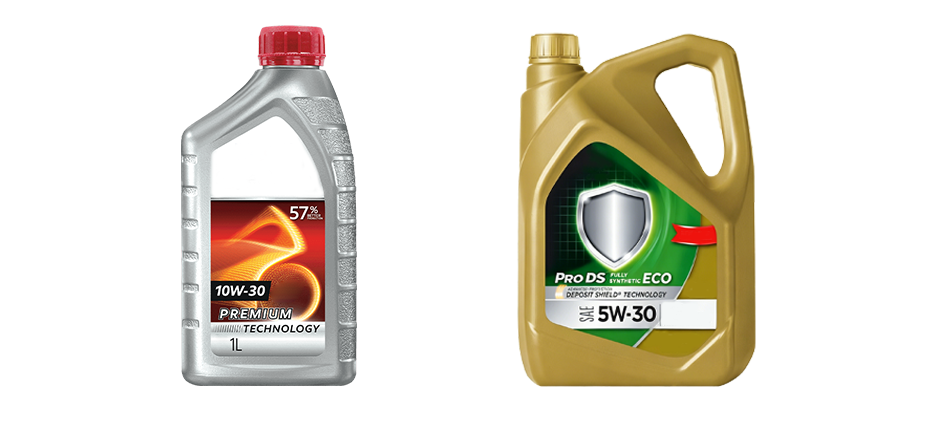
10W30 vs 5W30 differ mainly in viscosity at cold temperatures. When the engine is cold, the 10W-30 oil is thicker, so it doesn’t flow quite as quickly as 5W-30 oil during startup. The 5W-30 oil flows more easily when the engine first starts. But once the engine warms up, both oils perform almost the same.
What Is Oil Viscosity? SAE Viscosity Grades
Oil Viscosity is just how thick oil is and how easily it moves. The SAE made the rating labels you’ll find on every oil bottle. Oils like 5W-30 have two numbers, each for different temperatures.
- The first number plus W (short for Winter) shows how the oil acts when cold. A smaller number means it’s thinner and flows better in cold weather. That’s why 5W-30 moves more freely in the cold than 10W-30.
- The second number rates viscosity at regular engine running temperature, about 100°C (212°F). Both oils have a 30 rating, so they stay equally thick and protect your engine just as well when it’s hot and running.
What Is the Difference Between 10w30 And 5w30
The primary difference between 10W-30 and 5W-30 is their performance during a cold start.
- 5W-30 is less viscous (thinner) at low temperatures. It is pumped through the engine’s oil passages more quickly upon startup, providing faster lubrication to components like bearings, pistons, and especially the turbocharger. On a frosty morning, 5W-30 gets to work faster, protecting your engine’s vital parts from that initial grind. Making 5W-30 far superior to a conventional 10W-30 in low-temperature situations.
- 10W-30 is more viscous (thicker) at the same low temperatures. It will flow more slowly when the engine is first started.
Once the engine reaches its full operating temperature, both oils offer the same SAE 30-rated viscosity. Both oils behave identically.
Related Read: SAE 30 vs 10W30: Which Engine Oil Is Better?
Good Cold Flow Benefits
Why does cold oil flow matter so much? An engine is cold any time it’s not at full running temperature, even in summer. Let machinery sit overnight, and the engine cools right down. Most engine wear happens right at startup, before oil circulates fully. 5W-30 flows much better when cold, and that brings big benefits:
- Quicker lubrication for key parts: Oil has to travel a long way in big diesel engines. Thinner oil reaches valves, camshafts and turbo bearings right away. Turbos are easy to damage — they can lack oil for a few seconds on cold starts, which wears them out early.
- Less stress on the starter and battery: Thick oil takes more power to pump. With 5W-30, the engine cranks over easier. It eases load on the starter and saves battery power, which is really helpful when working outdoors on cold days.
What About High-Temperature Performance?
10W-30 and 5W-30 work exactly the same when the engine runs hot. Both carry an SAE 30 rating at operating temperature. They form the same strong protective layer on engine parts, even when your equipment works hard and builds up heat. The 10W and 5W labels only matter for cold conditions. Stick with quality oil that meets your diesel engine specs like API CK-4, and either one will do the job well.
Can I Use 10W30 Instead of 5W30 Oil?
Check manual first. Many brands allow both 5W-30 and 10W-30, and list which to use based on temperature. Usually, 10W-30 is for staying warm and never getting near freezing.
If the manual says “only 5W-30”, don’t switch to 10W-30. Makers pick 5W-30 because its flow keeps parts well lubricated. Thicker oil slows flow and can damage the engine over time.
Reason to NOT Use 5w-30 Over 10w-30?
People used to think 5W-30 needed more viscosity index additives than 10W-30 to work across different temperatures. Folks worried these additives would wear down over time and make the oil less reliable.
This was a real issue for old-style oils, but not for modern lubricants. Good synthetic 5W-30 uses high-grade base oil that keeps its viscosity naturally. It needs fewer, more durable additives. In fact, premium synthetic 5W-30 resists wear better than regular 10W-30.
If your engine accepts it, 5W-30 works just as well as 10W-30 when hot, and delivers much better cold-start performance. There’s practically no downside to choosing it.
Effects of 10W-30 on 5W-30 Engines
Putting 10W-30 in an engine made for 5W-30 will cause issues down the line.
- More wear when starting cold: Thick oil takes longer to reach every part of the engine, so parts don’t get enough lube right away. This wear builds up over time, eventually causing low compression or higher oil use.
- Damages the turbo: Turbos spin at over 150,000 RPM and need steady oil to cool and lubricate their bearings. Even a few seconds of slow oil flow from 10W-30 will wear the turbo out badly over time.
- Runs poorly in cold weather: When temperatures drop below freezing, the engine is harder to start. It will also run rough for the first few minutes because the thick oil moves sluggishly.
Selecting the Right Oil
- Check the manual: Engine makers run thorough tests to pick the best oil viscosity. Always go with their recommendation.
- Think about your local climate: If the manual lets you use more than one oil grade, choose based on the weather. Pick 5W-30 if temperatures drop to freezing or below — it flows far better when cold. If you work only in hot areas, 10W-30 works fine as long as the manufacturer approves it.
- Note your engine’s age and condition: Many people switch to thicker oil for high-mileage engines to fix wear issues. Instead of changing grades, stick with high-mileage 5W-30. It keeps the right viscosity and has extra additives to protect seals.
- Stick to quality products: Always use trusted oil that meets or beats your diesel engine’s API standard, such as API CK-4.
Conclusion
5W-30 works much better than 10W-30. It protects your engine far better during cold starts, which is when most wear happens. Always follow the manufacturer’s advice to keep your engine running well for years. If you need replacement parts for your diesel engine, shop all you need at FridayParts.
