

Modern farm gear is way more high-tech these days, packed with all kinds of electronic parts. These components control everything from engine power to cab temperature. Any electrical issue can easily bring all farm work to a stop. This article talks about solid state relays. We’ll go over why they work much better than old mechanical relays, plus easy ways you can test them by yourself.
What Is a Solid State Relay?
Basically, a solid state relay, or SSR, is just an electronic switch that turns circuits on and off. What sets it apart is how it works. Unlike regular old relays, SSRs have zero moving parts.
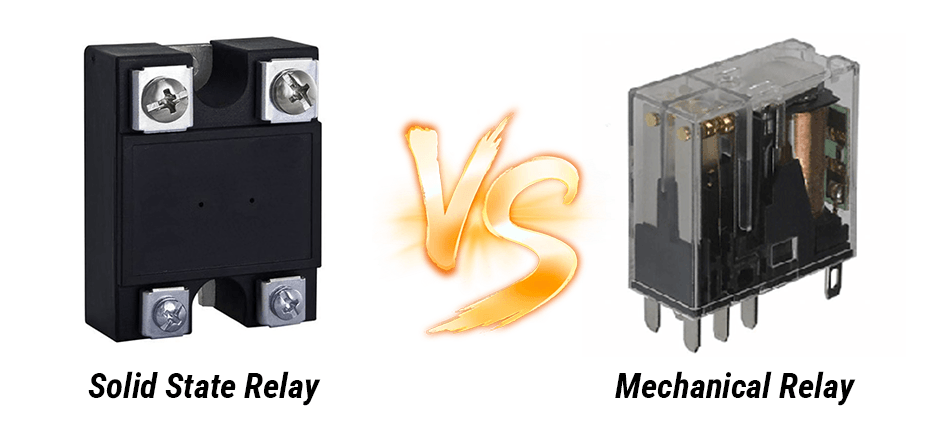
Take common mechanical relays for example. They use small electric current to power a coil and make a magnetic force, which pulls the switch shut to connect the circuit. You can even hear them click when they kick in. They run on springs, magnets and physical contact points.
SSR works totally differently. It uses semiconductor tech instead. A weak control signal lets it switch high-power circuits, with no mechanical movement at all. Everything runs electronically.
It can also separate low-power input and high-power output safely, just like mechanical relays. Plus it has lots of great perks, perfect for tough farm working conditions. On your agricultural equipment, SSRs are used to control components like:
- HVAC fans and blowers
- Lighting systems
- Solenoid valves
- Small motors and actuators
How Do Solid State Relays Work?
A solid state relay (SSR) works by using light to pass a switching signal, while electronic components handle the actual high-current switching. Because there are no moving contacts inside, an SSR operates silently and does not suffer from contact wear like a traditional relay. Here is how it works:
- The control signal enters the relay: When the ECU, a switch, or a sensor sends a small electrical signal, the solid state relay is activated.
- An internal LED lights up: That small current powers a tiny LED inside the relay. The LED produces infrared light instead of regular visible light.
- The light crosses an isolation gap: The light travels across a small isolated space inside the relay. This isolation is very important because the control side and the high-power side are not directly connected. It helps protect sensitive electronics from electrical damage.
- A light-sensitive component detects the signal: On the other side, a light-sensitive electronic component detects the infrared light. Once it detects the light, it turns on the relay’s power semiconductor.
- The main circuit turns on: High current can now flow to components such as cooling fans, work, lights, heaters, and solenoid valves. The equipment then operates normally.
- The circuit turns off when the signal stops: When the control signal is removed, the LED turns off, the light signal disappears, and the power switch opens. The whole process happens almost instantly and without any moving mechanical parts.
Treat the SSR just like a remote control for your farm equipment power. The weak control signal works like pressing a button, sending light signals to switch the gear on. There’s no direct wire link between the low-voltage control side and high-power working side.
With no mechanical contacts, solid state relays stand up better to vibrations and react much faster. It fits perfectly well for all kinds of tough farm working conditions.
Solid State vs Mechanical Relay
Both relays work the same way, so which one should you pick? Tractors and harvesters keep shaking nonstop, plus they face extreme heat and cold, dust and wetness. All these easily wear out mechanical parts.
| Feature | Solid State Relay (SSR) | Mechanical Relay (EMR) |
|---|---|---|
| Lifespan | Extremely long. No moving parts to wear out. Can last for tens of millions of cycles. | Limited. Physical contacts wear down, springs weaken. Lifespan is typically 100,000 to 1 million cycles. |
| Durability | Excellent. Resistant to shock, vibration, and dust. Sealed electronic components. | Vulnerable. Vibration can cause contact bounce or failure. Dust and moisture can corrode contacts. |
| Switching Speed | Instantaneous. Switches in microseconds. | Slow. Mechanical movement takes milliseconds. |
| Sparking | None. The switch is electronic, so there is no physical arc or spark. | Sparks can occur between contacts as they open and close, which can be a hazard in some environments. |
| Noise | Silent. No moving parts means no clicking noise. | Audible “click” during operation. |
| Heat | Generates some heat during operation and often requires a heatsink for high-current applications. | Generates very little heat at the contacts. |
| Cost | Generally has a higher upfront cost. | Lower upfront cost. |
If you own a tractor, you’ll easily see how good solid state relays are. Diesel engines keep shaking hard, and bumpy farm roads wear down the small springs and metal contacts inside regular relays fast.
Farm fields are always full of dust, which easily gets into unsealed old relays and breaks them. But SSRs are fully sealed electronic parts. They hold up way better in these harsh situations, work more steadily and cut down machine downtime a lot.
How to Verify the Proper Operation of a Solid-State Relay (SSR)?
If you think a relay is causing electrical problems, testing it is really easy. Bad SSRs usually have two common issues: either it won’t send power out at all, or it stays powered on and can’t shut off. You can test it simply with a regular multimeter. First disconnect the battery and take the faulty relay off the machine. Always stay safe when checking electric parts.
What You Need
- A multimeter
- The solid state relay you want to check
- A power supply that fits its input voltage. Most use 9V or 12V batteries, just check the marks on the relay first.
Step 1: Check It Visually
Before hooking up any wires, take a good look at the relay. See if the case is cracked, burnt or melted, and check if the pins are badly rusted. If you spot any obvious damage, just replace it straight away.
Step 2: Test When It’s Switched Off
Turn your multimeter to resistance mode (Ω). Don’t put any power into the relay input pins. Touch the two meter probes to the relay’s output pins.
- You should get an extra high reading, usually shown as OL. This means the relay stays off properly with no control power.
- If the reading is low here, the relay is stuck on and broken.
Step 3: Test when it’s switched on
Keep the probes on the output pins. Then connect your battery to the relay input pins, match positive and negative sides correctly.
- Once power goes in, the relay should turn on. Now the multimeter reading should drop down close to zero ohms, which means it switches on normally.
- If it still shows high resistance or OL, the relay won’t turn on and is faulty.
- If it passes both tests, the relay works fine. The fault is probably in the wires or other parts instead.
Final Words
Solid state relays use sturdy electronic parts instead of mechanical ones, so they last way longer and work far more reliably than old-style relays even in tough farm conditions. Learning how SSRs work helps you fix issues faster and know how important they are for your equipment. Shop durable and affordable solid state relays at FridayParts for steady performance all the time.
