

When an excavator, skid steer, or wheel loader starts losing power, idles roughly, or burns more fuel than it should, the cause is often simple: deposits and contamination in the fuel system. A proper fuel system cleaning is a targeted way to restore fuel delivery and combustion without guessing. This guide explains what the service really is, when it’s worth doing, and which methods make sense for off-road machinery—so you can cut downtime and avoid parts damage.
What is a Fuel System Cleaning?
A fuel system cleaning is a maintenance process that removes or reduces deposits, varnish, water-related corrosion, and fine debris that build up in fuel delivery components over time. On off-road machinery, this buildup tends to happen faster because equipment often runs in:
- Dusty sites (fine particles get everywhere)
- High idle hours (more soot and low-temperature running)
- Hot/cold cycles (condensation can add water to fuel)
- Rough vibration (loosens debris and stresses connections)
A complete fuel system (in simple terms) includes:
- Tank (stores fuel)
- Fuel line and pipes (carry fuel forward)
- Filters/water separators (trap debris and water)
- Lift/transfer pump (feeds supply)
- High-pressure pump/injection pump (pressurizes fuel on many diesel systems)
- Injectors and nozzles (meter and spray fuel into the cylinder)
- On some engines, a carburetor (mixes fuel and air on older or small-engine applications)
The point of cleaning is not “making parts look new.” The point is to restore fuel flow, correct spray patterns, stabilize pressure, and predict throttle response.
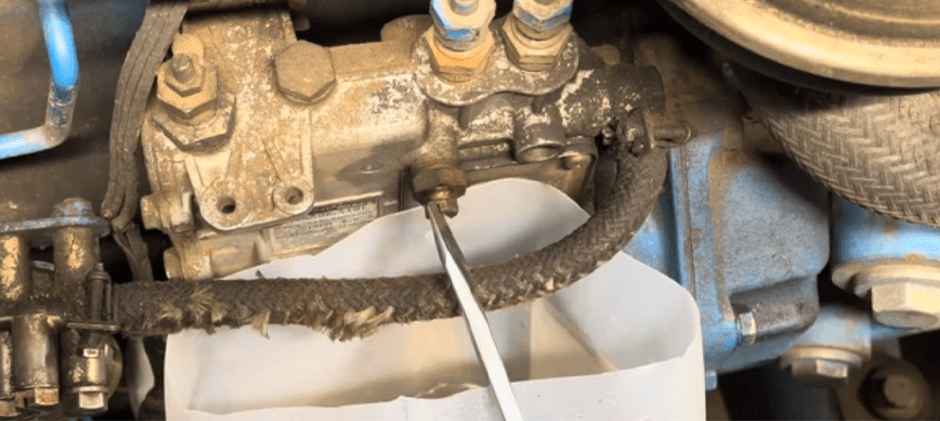
Why Need a Fuel System Cleaning?
On off-road machinery, fuel issues often show up as “it feels weak,” but the root cause is usually one of these:
1) Deposits that restrict flow or distort spray
Fuel can leave behind varnish-like deposits. Add dust, poor storage, or water contamination, and small passages start to narrow. When injectors or nozzles can’t deliver a fine, even spray, combustion becomes less efficient—so you get less power and more smoke.
2) Filter blockage and uneven fuel supply
Filters protect expensive components, but when they load up, the system may starve under load. That can feel like hesitation, surge, or loss of power when pushing into a pile or climbing a grade.
3) Wear risk for high-cost components
Dirty fuel doesn’t just reduce performance. It can accelerate wear in precision parts like injectors and pumps. On many diesel setups, the injection pump and injector tips are especially sensitive to contamination and poor lubrication.
4) Fuel line problems that look like “dirty fuel.”
Cracked hoses, loose clamps, or damaged lines can introduce air leaks or reduce supply. Sometimes the “cleaning” you need is actually inspection and replacement of the line.
Common signs that often justify checking cleaning needs:
- Power loss under load
- Hard starts (especially after sitting)
- Rough idle or unstable RPM
- Higher fuel use than normal
- Misfire-like stumble or hesitation
- Excessive smoke (black/gray) compared with normal operation
Benefits of Regular Fuel System Cleaning
A sensible cleaning plan can pay off, especially on machines with high hours or inconsistent fuel quality.
Benefits you can measure on the job
- More consistent power during heavy work (digging, pushing, lifting)
- Smoother throttle response and less hesitation
- Fewer fuel-related no-starts after storage
- Lower risk of repeat filter plugging when contamination is addressed early
- Less stress on pumps and injectors, which can reduce big repair bills
Benefits that support long-term uptime
- Better control of contamination (water + dirt)
- Better diagnosis (once clean, it’s easier to spot a failing pump or injector)
- Less “parts swapping” because symptoms become clearer

Methods of Fuel System Cleaning
There is no single “best” method. The right method depends on the machine type, the fuel system design (mechanical vs electronic, common rail vs older injection), and the severity of the problem. Below are the most common approaches used for off-road equipment.
Method 1: Additive-in-fuel
A cleaning additive is mixed into the tank so it flows through the system during normal operation.
Good for:
- Light-to-moderate deposits
- Preventive maintenance
- Fleet routines when machines can’t be down long
Limits:
- Won’t fix clogged filters, failing pumps, or damaged injectors
- Won’t remove heavy sludge in a neglected tank
Method 2: Filter and water separator service
Replacing filters, draining water separators, and cleaning housings is one of the highest-value steps.
Good for:
- Power loss under load
- Machines working in wet/cold conditions
- Any “unknown fuel history” machine you just bought
Limits:
- If injectors are already restricted, filters alone may not restore spray quality
Method 3: Line inspection + targeted replacement
If there’s cracking, rubbing, loose connections, or internal liner breakdown, cleaning won’t help much.
A fast win is replacing problem sections of the fuel line and routing/clamping correctly to prevent future rubbing.
Method 4: Injector-focused cleaning
This ranges from controlled cleaning procedures to removal and bench testing/cleaning, depending on equipment design.
Good for:
- Rough idle
- Smoke increase
- Poor throttle response that persists after filter service
Limits:
- If injectors are worn, cleaning may not restore proper performance—replacement may be the real fix
Method 5: Pump and injection system checks
If pressure is unstable or air intrusion is suspected, the cleaning plan should include the pump side. On many diesel machines, the injection pump is the “heart” of fuel delivery. Airlocks, poor bleeding, restricted supply, or failing internals can mimic dirty-fuel symptoms.
Method 6: Carburetor cleaning/rebuild
Some off-road equipment and older engines use a carburetor. In that case, a proper cleaning may mean disassembly, cleaning passages, and replacing worn parts. If the carb is too far gone or you want a direct replacement, a compatible carburetor can be a practical solution.
How Often Should You Get a Fuel System Cleaning?
There isn’t one “miles-based” rule for off-road machinery. Hours, fuel quality, storage time, and environment matter more.
Use these practical intervals as a starting point:
For preventive maintenance
- Additive-style fuel system cleaning: often works best on a schedule tied to your fuel burn rate (for example, every few tanks or at a planned service interval).
- Filters/water separator: follow your equipment manual, then tighten the interval if you run dusty sites, wet climates, or questionable fuel.
For harsh duty or high-idle machines
Consider more frequent checks if the machine has:
- Long idle hours daily
- Frequent short runs (never fully warms up)
- High dust exposure (fine particles)
- Seasonal storage (condensation risk)
Sometimes the best “cleaning” outcome is learning that a component is past its service life. That’s common with pumps, injectors, and lines that have been running with contaminated fuel.
If inspection shows damaged components, it’s usually smarter to replace the weak link than to repeat cleanings that don’t hold. For off-road machinery repair coverage, parts are typically grouped by system:
- Browse complete fuel delivery categories in the fuel system catalog (pumps, injectors, filters, and related components).
- If pressure delivery is unstable or the machine is hard to start, check options for the injection pump.
- If you see cracking, seepage, or air intrusion, replacing the fuel line section and correcting routing can prevent repeat failures.
On carbureted equipment, a direct-fit carburetor replacement can be a faster fix than chasing intermittent surging.
Conclusion
A fuel system cleaning is a practical maintenance step that targets deposits, contamination, and flow problems that reduce power and raise fuel use on off-road machinery. If cleaning reveals worn or contaminated components, replacing the right part early is often the cheapest way to protect uptime. FridayParts supports off-road machinery owners as an aftermarket parts supplier with high-quality products at affordable prices, a vast inventory, and wide compatibility across many heavy equipment brands—so it’s easier to match the correct fuel system parts and get back to work with fewer delays.
