

You’ve likely seen the letters SAE stamped on an oil container, followed by a series of numbers like 5W-30 or 15W-40. But what does SAE actually mean, and how do those numbers impact the health and performance of your machinery’s engine?
What Does SAE Mean?
SAE stands for the Society of Automotive Engineers. Today, the group is called SAE International and is based in the USA. They have tons of engineers who work in cars, commercial vehicles, aerospace, and more. Basically, they set a lot of the technical standards for these industries.
You see the SAE logo all the time in cars and machinery. You might spot it on oil, tools, or even in equipment manuals. For example, many wrenches or socket sets are labeled with SAE sizes.
When it comes to oil, SAE is used to show the oil viscosity grade. This tells you how the oil flows at different temperatures. Common grades you’ll see are SAE 30, SAE 10W-40, and SAE 5W-30. Let’s take a closer look at what SAE actually means for oil viscosity.
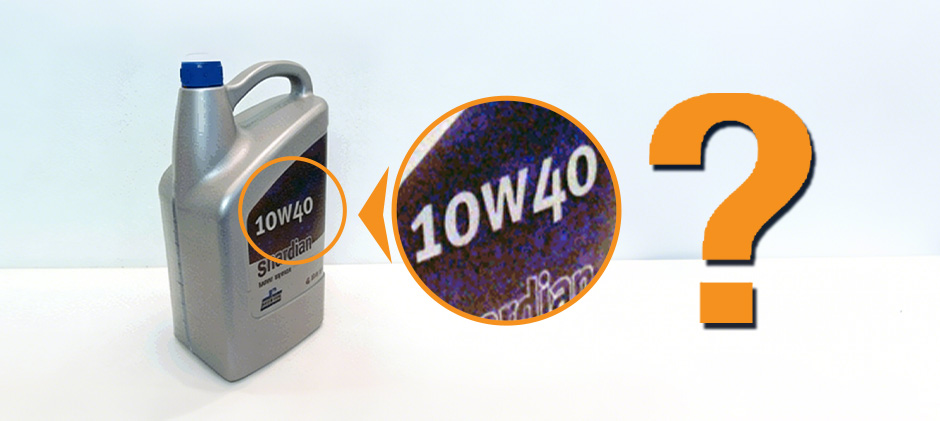
What Does SAE Mean on Oil?
When you see “SAE” on a bottle of oil, it means the oil’s viscosity—its thickness or resistance to flow—has been graded according to a standardized system they developed. This system is the universal language for engine oil, ensuring that a 10W-30 from one brand behaves similarly to a 10W-30 from another.
- A lower viscosity number means the oil is thinner and flows more easily.
- A higher viscosity number means the oil is thicker and flows more slowly.
Take SAE 10W‑40 oil for example. The “SAE” just means it meets the standard. The “W” stands for winter — it tells you how the oil works when it’s cold. The first number, 10, shows how well the oil flows in low temperatures. The second number, 40, tells you how thick the oil stays when the engine is hot. This two‑number rating is really important for machines that work hard all year round.
What Are Engine Oil Grades?
Now that we know SAE sets the standard, let’s look at what the oil grades mean. Under the SAE J300 standard from SAE International, engine oils are rated by viscosity. This system groups oils by how thick or thin they are. It is easier to choose the right oil for your machine.
SAE International divides engine oil into 14 viscosity grades.
- Six of them are “winter” grades, marked with a W: 0W, 5W, 10W, 15W, 20W, and 25W.
- The other eight grades do not have a W: 8, 12, 16, 20, 30, 40, 50, and 60. These numbers describe the oil’s thickness when the engine is hot.
Oils like 10W-30 that have two numbers are called multi-grade oils. These are very common today, especially in off-road machines, because they can work well in both cold and hot temperatures.
- The number before the W shows how the oil flows when the engine is cold. A smaller number means the oil flows more easily during a cold start.
- The number after the W shows how thick the oil is when the engine is hot (around 100°C / 212°F). This helps the oil stay thick enough to protect engine parts when the machine is working hard.
This is different from older single-grade oils like SAE 30. A common question many equipment owners have: SAE 30 vs 10W-30— what’s the difference?
- SAE 30 is a single-grade oil. It has only one viscosity level. works best in places where the temperature stays fairly steady.
- 10W-30 is a multi-grade oil. It offers two advantages: When the engine is cold, it flows like 10W oil. When the engine warms up, it protects the engine like SAE 30 oil.
Simply, 10W-30 flows better in cold starts but still protects the engine when it gets hot.
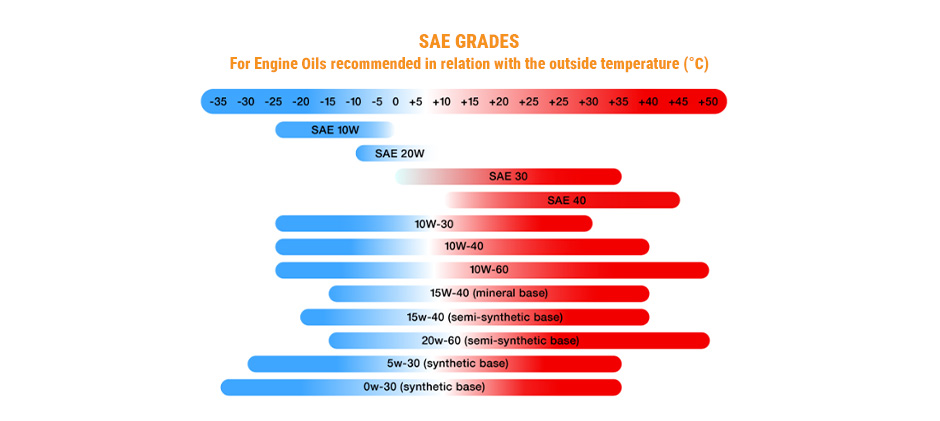
What Does 5W-30 Mean?
Let’s use “5W‑30” to make this easy to understand.
- 5W: It’s how the oil acts when it’s cold. On cold days, 5W oil flows quickly when you start the engine. It reaches all engine parts fast and reduces wear. If you used 15W‑30 instead, the higher number means the oil is thicker. It flows slower when cold.
- 30: It’s how thick the oil is when the engine is hot. This number makes sure the oil stays thick enough, even at high temperatures and heavy loads, to protect engine parts and reduce friction.
Types of Engine Oil
Besides viscosity, engine oil can also be picked by type, basically what it’s made of. Choosing usually comes down to performance vs price.
- Conventional oil: The most common and cheapest. Made from crude oil. Works fine for older, simple engines. But it doesn’t handle very high heat well, and it’s slower to flow in very cold weather.
- Full synthetic oil: Made with chemical processes. Very stable, works well in extreme cold or heat, and lasts longer. Great for heavy equipment or hard-working machines. A bit more expensive, but worth it in the long run.
- Synthetic blend oil: Mix of conventional and synthetic oils. Better than regular oil, cheaper than full synthetic. Good choice if you want extra protection without spending too much.
- High-hour oil: Made for engines that have been running a long time. Has special additives that help stop leaks and clean out sludge and deposits. Best for older machines.
Engine Oil Brand Compatibility
With so many oil brands out there, you might wonder if it’s okay to mix them. What if you just need to top off your engine and only have a different brand?
The good news: all certified engine oils follow SAE standard J-357, which means they are compatible and can mix safely. “Compatible” just means they won’t react badly, separate, or turn into sludge. You can mix oils, but there’s one key rule: they must have the same SAE viscosity and the same API rating (for modern diesel engines, usually CK-4 or FA-4). The brand name doesn’t matter as much as the SAE and API numbers on the back of the bottle.
What Oil Grade Should You Use?
So, how do you choose the right engine oil for your excavator, bulldozer, or loader?
Check the Manual
The manufacturer already tested what viscosity and specs work best. Using the wrong oil can cause more wear and might even void your warranty.
Think about the Weather
The manual usually has a chart for temperature and oil type. Hot places like Texas in summer → 15W-40. Cold places like Canada in winter → 5W-40
Consider Engine Age and Condition
New engines (Tier 4 Final) and older engines need different oil.
- New engines → lower viscosity like 10W-30, saves fuel, good for DPF.
- Old or worn engines → thicker oil like 15W-40, keeps oil pressure and reduces consumption.
Look for Certifications
Check the bottle for API “Donut” and “Starburst” symbols. They show the oil meets official standards for your equipment.
Summary
SAE viscosity ratings are a common standard that show how oil performs in cold and hot temperatures. Always check your machine’s manual first, and adjust based on the weather where you work and how you use your equipment.
At FridayParts, we know good equipment care is more than just oil changes. That’s why we have a huge selection of high‑quality replacement parts for many heavy‑equipment brands. Order your spare parts at FridayParts.com today.
