

Torque vs horsepower are two key specs that describe an engine’s performance. People mix these two terms up all the time, but they each tell you something totally different about how an engine works. So which one matters more for your machine or your use case?
What Is Horsepower?
Horsepower measures how fast an engine puts out work. For construction, farm gear and other heavy equipment, HP shows how quickly the engine gets jobs done. It controls how fast the machine rolls around the worksite, how fast its hydraulics cycle, and whether it can hold steady speed when working nonstop under load. A rig may have enough brute force to hoist heavy stuff, but horsepower decides how quickly it can lift and haul that load.
What Is Torque?
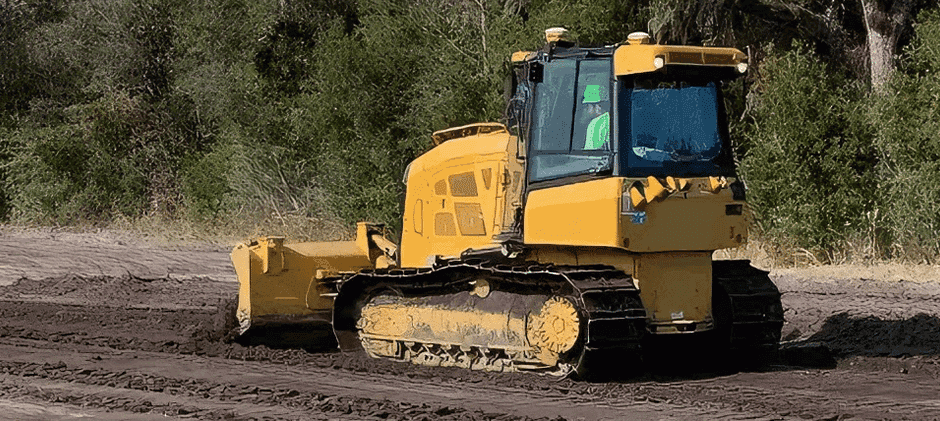
If horsepower stands for speed, torque is all about raw pulling power. Torque measures the spinning twist an engine cranks out. Picture trying to loosen a rusted tight bolt with a wrench — the twisting push you put on the wrench handle is torque.
In a diesel engine, combustion slams pistons down to spin the crankshaft, creating that twisting torque. This power gets your equipment rolling from a dead halt even with heavy loads. When an excavator digs into hard packed dirt or a dozer shoves big dirt piles, torque conquers that starting resistance.
Diesel motors pump out plenty of torque at low RPM. That’s why heavy machinery mostly runs on diesels — low-end pulling power beats high rev speed for tough jobs.
What Is the Difference Between Horsepower and Torque?
Torque is how much pulling force an engine has, and horsepower is how fast it uses that force to work. Take two weightlifters as an example. One can deadlift 800 lbs but needs 10 seconds to finish the lift. The other only lifts 600 lbs but gets it up in just two seconds. The first guy has more brute strength, meaning higher torque. The second does work much quicker, which equals more horsepower.
For engines, torque measures actual twisting force, listed in lb-ft or Nm. You’ll notice that sudden jolt when your machine surges forward—that’s torque at work.
Horsepower isn’t measured directly. People calculate it using torque and engine RPM. That’s a key difference. An engine’s quick working ability (horsepower) comes from its twisting power (torque) plus how fast its crank spins (RPM). How these two team up decides whether your equipment works decently or outstandingly.
The Relationship Between Horsepower and Torque?
Torque and horsepower are not independent forces; they are mathematically linked.
Horsepower = (Torque x RPM) / 5252
Horsepower is directly proportional to both torque and RPM. If you increase either torque or engine speed, the horsepower output will also increase.
Diesel engines are for heavy-duty jobs. Their longer piston stroke and higher compression crank up combustion pressure inside the engine. This setup produces high torque at low RPM. So, they don’t need high engine speeds to deliver solid output. That’s why a diesel with lower HP often feels far stronger on the job than a gas engine with matching or even higher horsepower.
Is Torque or Horsepower Better for Your Work?
No single one is always better; it depends on your actual work.
Excavators & Bulldozers: Torque
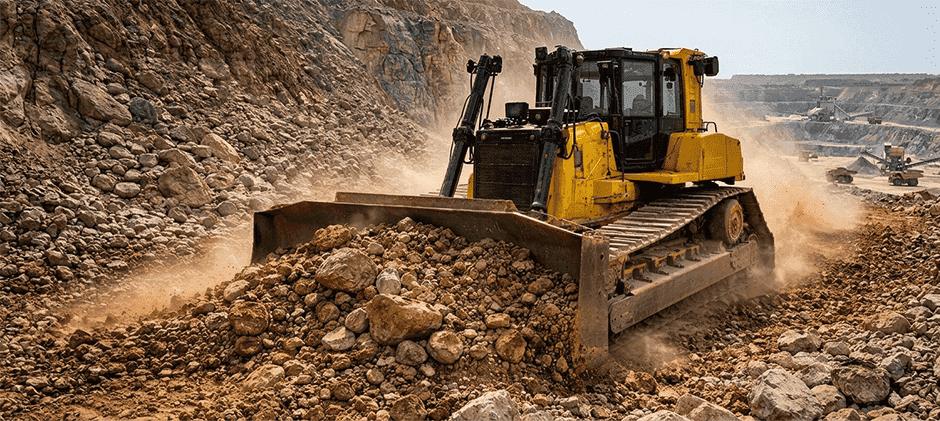
Digging, ripping and shoving heavy loads first need brute breakout power to break compact ground, and that all comes from torque. Working speed takes a backseat to raw pulling strength. Big low-end torque lets dozers plow through tough dirt without bogging down or stalling out.
Tractors: Torque
Tractors mainly pull heavy attachments such as plows and balers. Torque lets them drag loads slowly and steadily through sticky soil. This low-RPM pulling power stops the engine from dying if the plow hits hard clay and suddenly gets overloaded.
Wheel Loaders: A Balance of Both
Loaders rely on strong torque to dig into piles and fill buckets with gravel or dirt. Meanwhile, solid horsepower lets them zip around job sites, haul loads up inclines, and run hydraulics fast to unload and circle back for another bucket.
How Torque and Horsepower Affect Fuel Efficiency?
Fuel tops the list of running costs for off-road equipment. Knowing how torque, horsepower and RPM work together helps you save on fuel.
Diesel engines sip fuel best at their peak torque RPM, also called the sweet spot. At low to mid revs, the engine breathes well and cranks out maximum twist while burning fuel efficiently. It gets more work done per gallon of diesel here.
Engines with strong low-RPM torque handle heavy loads without revving hard. Lower steady revs cut fuel use, run cooler and lessen engine wear. If your engine lacks low-end torque, you have to crank up RPM to get enough power for tough jobs. This pulls the engine away from its efficient range and burns far more fuel.
In Conclusion
Torque is the raw twisting power to start moving heavy loads, perfect for digging, dozing and hauling. Horsepower decides how fast your machine finishes work. Most heavy-duty diesels make big torque at low RPM — they pack plenty of power and save fuel for daily jobs.
If your key parts break down, FridayParts stocks tons of reliable replacement pieces at budget-friendly prices. Our parts fit most mainstream heavy equipment brands to get your machine back up fast.
