

Has the first snowstorm hit your area? We believe many of you are going to enjoy clearing the snow yourselves. Unfortunately, your snowblower might fail in this task, killing your fun on weekends. Taking it to a shop runs the risk of it taking a while and having the repair cost almost as much as the snowblower did. Or you have to roll up the sleeves and fix it yourself. That shouldn’t be as scary a proposition as you might think. To fix the snowblower, check the fuel, spark plug, carburetor, belts, shear pins, and chute to identify the cause of the problem. Replace stale fuel, clean clogged components, or replace worn or broken parts as needed. Most common problems can be solved with basic tools and simple DIY repairs if you follow our snowblower repair guide. Let’s get started!
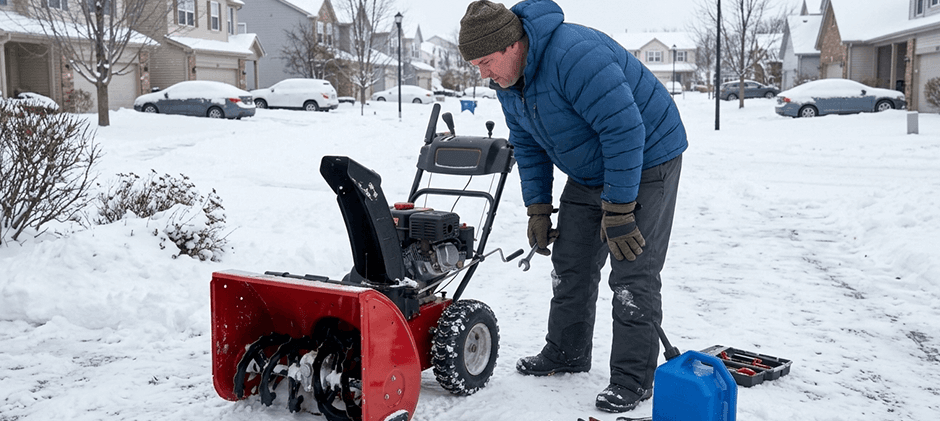
What’s Wrong With My Snowblower?
When you’re fully equipped and ready for the first blow, you may run into a series of problems. Here are the most common symptoms and causes:
| Bad Snowblower Symptoms | Major Causes |
|---|---|
| Won’t start after sitting all summer | Stale gas, fouled spark plug, empty primer bulb or a bad recoil starter |
| Starts then dies | Clogged carburetor or blocked fuel cap vent |
| Starts, then surges or only runs on choke | Varnish in the carburetor from old fuel |
| Surging or running rough | Dirty carburetor or stale fuel |
| Engine runs, but the auger won’t turn | A broken shear pin, or a worn or slipped auger belt |
| Not self-propelling | Loose or worn drive belt, or worn friction disc |
| Chute won’t turn | Packed snow or ice, stretched chute control cable or a dry crank |
| Electric start does nothing | The starter, the cord or the switch |
| Not throwing snow far | Worn belt, worn paddles or wet snow |
Tools and Materials Required for Snowblower Repair
Only a few basic tools are needed for most snowblower repairs:
- Spark plug socket and wrench set
- Screwdrivers (flat and Phillips)
- Fuel stabilizer and fresh gas
- Carburetor cleaner spray
- Replacement shear pins, spark plug, and belts (model-specific)
- Work gloves and safety glasses
Diagnose Your Snowblower Problems Before Repairing
Diagnosing your snowblower problems is straightforward. You need to determine whether the engine starts, runs smoothly, engages the auger, moves forward and throws snow smoothly and start with easy checks of the fuel, spark plug, blocked components, belts and other mechanical parts.
- Engine won’t start: Check the fuel supply, safety key, choke, spark plug and battery
- Engine starts then dies or runs roughly: Check for stale fuel, a blocked fuel cap vent, a fouled air filter or a clogged carburetor.
- Auger won’t turn: Check the shear pins and auger belt for damage
- Snowblower won’t move: Inspect the drive control, drive belt and friction disc
- Snowblower does not throw snow properly: Inspect for a blocked chute, worn belts or paddles
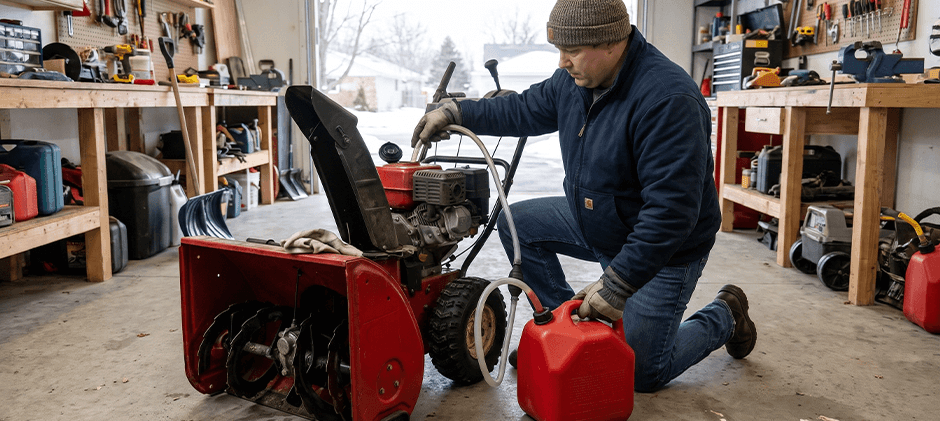
How to Fix Common Snowblower Problems?
In this part, we’ll present step-by-step guides on fixing common snowblower problems. Before grabbing tools for the snowblower repair, always perform the following steps for safety purposes:
- Always work in wide-open areas
- Turn off the engine and wait until all components stop moving
- Let the engine cool before touching the muffler or engine parts
- Disconnect the spark plug and battery to avoid accidental start
- Use a stick or clearing tool for the chute or auger
- Read your owner’s manual for the exact parts and settings
Common Snowblower Problems and Easy Fixes
| Snowblower Problems | Easy Fix |
|---|---|
1. Snowblower Won’t Start |
|
2. Snowblower Starts and Then Dies |
|
3. Snowblower Surging or Running Rough |
|
4. Auger Won’t Turn |
|
5. Not Self-propelling |
|
6. Chute Won’t Turn |
|
7. Electric Start Does Nothing |
|
| 8. Not Throwing Snow Far |
|
Signs You Need to Maintain Your Snowblower
Don’t wait until you’re buried in snow to find out there’s something wrong with your snowblower. You should service your snowblower if you notice the following signs:
- Engine takes multiple pulls to start in the cold
- Not throwing snow far enough
- Weird noises like grinding, rattling, or squealing from the auger or engine
- Bogs down under light snow or stalls unexpectedly
- Excessive vibration due to damaged auger blades
- Blue, black, or white smoke from the exhaust during operation
- Fuel or oil leaks with a strong fuel smell after use
- Broken or slipping belts that reduce auger or impeller performance
What’s Included in Snowblower Repairs or Maintenance?
Whether you take your snowblower to a shop or repair it yourself, the common maintenance items include:
- Carburetor cleaning, rebuilds and fuel system service
- Auger and impeller repair
- Shear pin replacement
- Drive and auger belt replacement
- Chute and control cable adjustment
- Electric start repair
- Skid shoe and scraper bar replacement
- Spark plug, recoil and pull cord replacement
- Battery, charger and motor diagnosis
Snowblower Repair or Replacement?
Many snowblower owners may have this question: Is it better to repair or replace a snowblower? Here is a quick answer for you.
Choose snowblower repair if:
- The replacement parts are cheap and easy to swap
- Simple cleaning can fix it
Choose snowblower replacement if:
- Engine knocking or metal in the oil that indicates severe internal damage
- Cracked or seized gearbox that costs you a lot
- Heavy rust and cracked housing
- The snowblower is 10 or more years old with big problems
- The repair quote runs more than 50% of the money for a new snowblower
Conclusion
Repairing a snowblower isn’t as challenging as you thought. By following the steps mentioned in this guide, you can fix the common snowblower problems yourselves. While regular maintenance and repairing it yourselves can save you money, it’s essential to evaluate whether it is worth repairing. At FridayParts, we are committed to providing a vast selection of quality replacement snowblower parts for Ariens, Craftsman, Toro, EGO and more. Explore our extensive catalog today and enjoy your happy weekend throwing snow this coming season.
