

Most seasoned tractorers and fleet operators know that when your engine is working at its peak performance, life is good. But when the water pump is failing, you’re gonna suffer from costly engine failure. In this guide, we talk about 6 bad water pump symptoms that you guys should watch for.

Signs of A Bad Water Pump
A failing water pump can spell trouble for your tractor. But how to tell if your water pump is bad? Here are key signs.
Unusual Noises
A water pump that’s about to fail can make weird noises like squealing, chirping or whining. This early sign of a bad water pump can easily be mistaken for a worn serpentine or V-belt, and in many cases, that’s the part of the problem. A worn shaft bearing inside the water pump creates additional resistance, causing the belt to slip along the pulley, usually with a rhythmic sound corresponding to the engine RPMs. If the noise is more of a whine varying with engine speed, that suggests an improperly tensioned belt or a damaged pulley. On older tractors, pulleys can develop cracks between the bolt holes from rust and wear, causing them to run unevenly. Any kind of noise should be taken seriously. In some cases, a tractor can keep operating with these signs for weeks. In others, the water pump can seize up shortly after the noise appears. Even if the sounds come and go, it’s worth checking before the problem gets worse.
Insufficient Coolant Circulation
The function of a water pump is to dissipate the heat buildup in the engine. This heat, if left uncontrolled, can generate pretty much friction and cause components to warp, fuse, melt or break. If you start to notice that your engine is running a little hotter than usual, your water pump is likely to fail to circulate the coolant properly. An immediate inspection is needed to avoid further damage.
Coolant Leaks
Another telltale sign of a faulty water pump is visible coolant leakage on the front of the engine. It could be the water pump gasket is leaking or the seal on the water pump shaft. Regardless, coolant leaks on the engine are a serious indicator and you must put water pump and gasket in plan. Depending on the type of coolant you use, the puddy can be orange, green or red. For minor leaks, you’ll notice a white trail of residue where it drips down the front of the engine, tinged with the color of your coolant. The leak may not reach the ground because of the heat from the engine. If this happens, you should change the water pump together with the water pump pulley, serpentine belt or other engine seals and gaskets. Read How to Fix Coolant Reservoir Leak here.
Overheating
If your engine is overheating, your water pump is completely failing, unable to circulate any coolant through the engine block. Once you notice the temperature gauge spike or have a warning message on your instrument cluster, stop your tractor and shut off the engine until it cools down. When overheating is not addressed quickly, it can lead to lasting damage, such as cracked heads, blown head gasket, burnt pistons or even a seized engine. Click to see Signs & Fixes of A Seized Engine.
Steam or Smoke
If you see steam or smoke rising from your radiator, it’s a clear sign that your engine is overheating. A faulty water pump is to blame. It may not be able to circulate coolant properly, thus leading to excessive heat buildup. You should turn off the engine and wait it to cool down before checking the coolant level. Don’t open the radiator cap while the engine is hot. That’s dangerous.
Rust or Corrosion
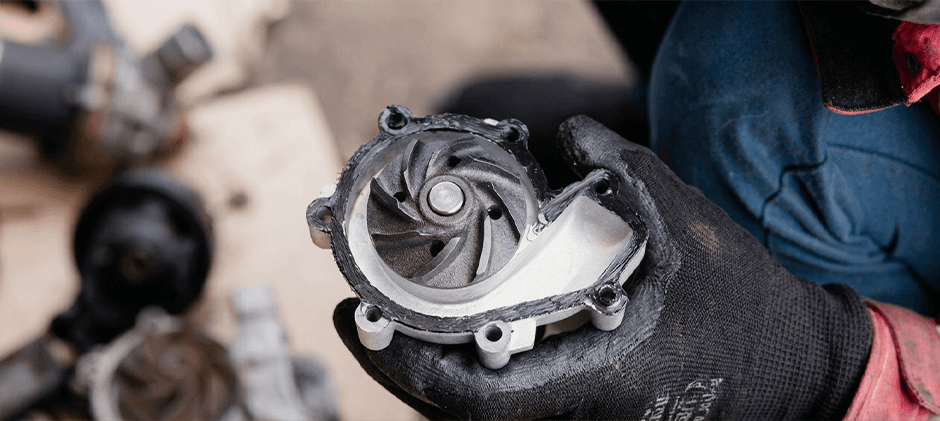
The corrosion and rust on the pump are physical signs of a bad water pump. This can result from contaminated coolant or long-term exposure to air. This can cause the belt to slip on the pulley. In some cases, these visible corrosion and buildup can indicate the water pump is failing with no other symptoms at all. You should check for visible damage during regular maintenance and replace your water pump if corrosion has compromised its integrity.
Causes of Water Pump Failure
Knowing why a water pump fails is as important as the signs. It can help you take preventive measures. Common causes are as follows.
- Age and wear: Most tractor water pumps typically last between 1,500 and 2,500 engine hours, depending on the machine’s age, maintenance history, and operating conditions. Regular use over time can lead to wear and eventual failure.
- Contaminated coolant: Old or dirty coolant can lead to rust and buildup on your water pump.
- Improper installation: If your water pump is installed improperly, it can cause premature failure, leaks, or misalignment.
- Faulty bearings: Bearings inside the pump can wear out, causing noise and reduced efficiency.
When to Replace the Water Pump
If your water pump is showing signs of failure, it’s essential to address the problem promptly. And you can do a replacement yourself if you are a seasoned DIYer. It is recommended to replace your water pump when replacing the coolant hose or thermostat. This can help save time as well as labour costs and prevent future breakdowns.
Precautions for Water Pump Problems
Prevention is better than repair. The following tips can help keep your water pump in good condition.
- Change coolant regularly: Fresh coolant can minimize the risk of corrosion and maintain the pump’s efficiency.
- Monitor coolant levels: Check the coolant reservoir regularly and refill it as needed.
- Inspect hoses and belts: Make sure the drive belt connected to the water pump is in good condition. A loose or worn belt can affect the performance of your water pump.
- Schedule routine inspections: You should have your tractor inspected during regular maintenance to catch early signs of a bad water pump.
Conclusion
Recognizing the bad water pump symptoms can help you avoid costly repairs and ensure your tractor runs smoothly. If you spot any of the signs mentioned, it might be time for a new water pump for your tractor. FridayParts has a vast range of high-quality water pumps that are built to last and many other engine spare parts. Regular maintenance, timely inspections, and proactive replacements can keep your water pump in top condition. Take care of your water pump, and you’re protecting your tractor from unnecessary wear and making sure it stays on the field for years to come.
