

People usually talk about tractor engine seizure like it’s a single moment. In real life, it is a process. A full seizure is when nothing moves. Starter clicks. Engine stays locked. That’s the point nobody wants to reach. In this article, we’ll present signs of a seized engine and help you decide whether it is worth repairing.

What Is A Seized Engine
A seized engine means the internal components of your machine’s engine get stuck, stopping the crankshaft from rotating as it should. In simple words, a seized engine won’t turn over at all or partially because something inside has already failed. We often describe it as a locked up engine or a frozen engine. The seized engine can have two different types: rust seized and mechanical seized. They can result from different causes. When your engine is seized, it won’t respond and thus, you can’t start your tractor.
Common Signs of A Seized Engine
A seizing engine doesn’t announce itself loudly. It has small signs. Once you notice the following seized engine symptoms, you should get it checked out.
Warning Signs Before Your Engine Fully Seizes
- Short delays when starting the engine
- Knocking, detonation sounds, grinding, metallic rustling
- Noticeable vibrations when idling
- Increased smoke along with a burnt oil smell
- Decreased oil level without visible leaks
Signs Your Tractor Engine Seized Completely
- The engine suddenly stalls and won’t respond to a restart
- The starter engages, the relay clicks, but the shaft does not rotate
- A sharp metallic sound before the engine stops
What Causes An Engine to Lock Up
Causes of a Rust-Seized Engine
- Long-time sitting: If the tractor sits for too long, rust can build up and cause the engine to seize when you try to start it. Extended exposure to moisture or humidity, especially during long-term winter storage, can cause rust and corrosion inside the engine, causing the piston rings to seize to the cylinder wall and the engine to lock up.
- No pre-storage protection: Skipping protective measures before storing is another reason for a seized engine. Without spraying protective oil into the cylinders and leaving the spark plug or injector ports unsealed, moisture enters the engine freely, causing the piston rings to rust and seize to the cylinder wall.
- Poor sealing: For old tractors like the Ford 8N or Allis-Chalmers, these tractors are more vulnerable to engine seizure during storage. Decades of use can deteriorate the gaskets and seals, allowing moisture and air to enter the engine more easily, thus accelerating rust buildup inside the cylinders.
Causes of A Mechanical Seized Engine
- Engine oil starvation: Running a tractor with insufficient or no engine oil is the most common cause of mechanical seizure. Without lubrication, metal components make direct contact with each other, producing extreme heat that can cause parts to weld together and then the engine to lock up completely.
Cooling system failure: A failing cooling system, like a broken water pump, clogged radiator, or snapped belt can cause coolant temperatures to spike rapidly. Running a tractor with coolant fully leaking out can generate extreme heat that the engine can’t handle, causing critical components to warp and fuse. As a result, your engine is fully seized. - Use plain water instead of coolant: If you substitute coolant with plain water, rust forms inside the block and scale builds up in the passages, reducing the cooling efficiency over time. Eventually, hotspots form around cylinders. Those spots overheat even when the gauge looks normal. Seized engines also happen when the radiator appears full, but the block passages are half-clogged with rust flakes.
- Hydro locked engine: A blown head gasket allows coolant to seep into the cylinder. This liquid can’t be compressed, so when the piston tries to complete its stroke, it hits a solid column of fluid and stops dead, locking up the engine instantly. This is particularly common in wet field conditions.
- Foreign object ingestion: A damaged or missing air filter can leave the cylinder completely exposed. On the worksite, sand and dirt can easily get into the cylinder, grinding against the cylinder wall and piston with every stroke. This abrasive damage can accelerate rapidly, stripping away metal until your engine seizes.
What Happens When A Tractor Fully Seizes
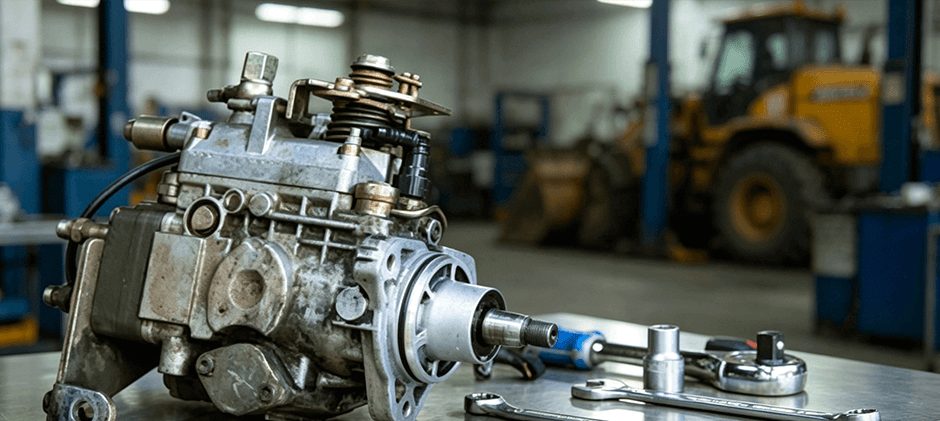
When the tractor engine seizes completely, everything stops. The crankshaft locks, pistons stick in their bores and sometimes the piston can block the whole system. If you try to force a start, it can snap connecting rods or strip starter gears. Many people keep turning the key, hoping it will free itself. The reality is cruel. You’re only increasing the repair costs at that time.
How to Fix A Seized Engine
If your tractor got seized, here are the steps you could follow to deal with it.
Step 1: Check if the engine can be saved
Before you spend time or money, you need to determine which type of engine seizure you’re dealing with. Use a breaker bar or a wrench on the crankshaft pulley bolt and try to rotate the engine by hand.
- If it moves even slightly in either direction, you’re dealing with a rust seized engine. Proceed to Step 2.
- If it doesn’t move at all, apply penetrating oil, wait 48 hours and try again.
- If it still won’t move after soaking, you’re likely dealing with a mechanical seizure. A teardown inspection is the next step.
Step 2: Remove spark plugs or injectors
Remove all the spark plugs/injectors on gasoline/diesel engines before applying any penetrating oil. This helps relieve compression from the cylinders, gives the penetrating oil a direct entry point into the cylinder and allows any fluid inside to drain out. On a hydrolocked engine, it becomes especially crucial. Any coolant or water sitting in the cylinder must be cleared.
Step 3: Apply penetrating oil
Pour the penetrating oil directly into each cylinder through the spark plug or injector openings. Apply about 2 to 3 ounces per cylinder to coat the full cylinder wall.
Step 4: Wait and let it soak
Let the penetrating oil soak for a minimum 24 – to 48 hours. For an engine that has been sitting for too long, it is recommended to soak it for a week or longer. No rush or you need to start over.
Step 5: Try to rotate the crankshart slowly
After soaking, place a breaker bar or wrench on the crankshaft pulley bolt and apply slow, steady pressure. Try rocking the engine back and forth, alternating between clockwise and counterclockwise rotation. Any slight movement is a good sign. If it feels completely solid, stop immediately, return to Step 3, and repeat. Do not force the seized crankshaft, or it can cause additional internal damage.
Step 6: Repeat the process
Freeing a seized engine doesn’t work on the first attempt. You can drain the old penetrating oil and repeat Steps 3 to 5 as many times as needed until the engine frees up.
Step 7: First Start After Freeing the Engine
Once the crankshaft rotates freely by hand, do not immediately try to start the engine. Reinstall the spark plugs or injectors first. Then crank the engine briefly without starting it to allow oil to circulate through the system. Check the oil level and top it up if needed. Start the engine and let it idle at low RPM while monitoring closely for unusual noises, smoke, or leaks. At first, it may run roughly. Just leave time for it to get the fresh oil back to the ring and cylinder wall.
Can A Seized Tractor Engine Be Repaired
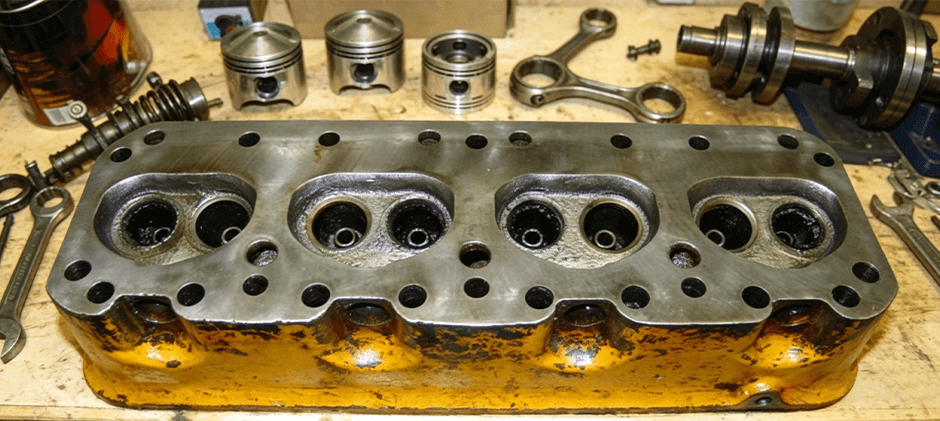
Yes, in some cases. But it is not always cheap. Light seizure from overheating may be salvageable with honing, new rings and bearings. Severe seizure, like pistons welded to cylinders, requires rebore or full engine replacement. The real question is whether it is worth repairing, not whether it can be repaired. You must make your financial decisions but not emotional ones, if yours is an old tractor with rare parts.
Cost Reality of Repairing A Seized Tractor Engine
The repair cost of a seized engine can vary greatly. A partial rebuild might be affordable, while a full overhaul with pistons, liners, crank grinding, bearings, oil pump plus labor can exceed the value of the tractor itself. Never spend MORE on repairing sentiment than logic would allow. Sometimes, the smarter move is selling it as-is or using it for parts.
Repair vs Replacement
| Seizure Type | Repair Possibility | Cost |
|---|---|---|
| Rust-seized engine (light) | High | Low |
| Mechanical seized engine (partial) | Medium | High |
| Full weld seize | Low | Extremely high (not worth it) |
How to Prevent Your Tractor Engine from Seizing
Engine seizure is not a sudden, silent moment. It’s a process. Small neglects adding up. Don’t skip over the following small habits.
Change engine oil on schedule
Low or degraded oil is the major cause of mechanical seizure. Follow the recommended oil change intervals and always use quality oil filters. Cheap filters can collapse internally and block oil passages without any visible warning.
Use the right coolant instead of water
Don’t use plain water as a replacement for coolant. It promotes rust inside the block and ruins cooling efficiency over time. Use a proper coolant and flush the system according to your service schedule. See Why Water Can’t Replace Coolant here.
Inspect Belts & Water Pump Regularly
A snapped fan belt or a failing water pump can cause the engine to seize within minutes. It is recommended to check the belt tension before operating. Notice if there’s squealing at the startup. The squealing often indicates a failing bearing. These parts are cheap to replace and expensive to ignore.
Warm up Before Heavy Load & Cool Down Before Shutdown
Before the operation, it is advised to let your engine idle for a few minutes. After a long-time operation, you should idle your engine for a short period to dissipate the heat. In this way, the life of internal engine components can be extended.
Prepare properly before long-term storage
When you need to store your tractor, you can change the oil, spray fogging oil into each cylinder and seal the spark plugs or injectors to prevent moisture. During storage, you can crank the engine every few weeks. When you need to use a stored tractor, always check the oil and coolant condition before you start your tractor.
Keep the radiator clean
Dust and chaff pack into radiator fins during field work and reduce airflow without any warning inside the cab. A quick clean with compressed air at the start of each season takes minutes and can prevent an overheating event that destroys an engine in an afternoon.
Frequently Asked Questions for Seized Tractor?
Can I resell my seized tractor?
A seized tractor isn’t worthless. Mechanics, rebuilders and parts dealers all look for them. Gearbox, rear axles, and hydraulics often last longer than the engine. Be honest. Try to hide a seized engine, and you only damage trust and value.
How long does it take to free a seized tractor engine?
For a rust-seized engine, it often takes 24 to 48 hours of soaking with penetrating oil to unlock the engine. For an engine that has been sitting for a full season or longer, it often takes a week or more. Do not force rotation before the rust loosens. It can cause additional damage and make the repair more expensive.
Is it worth fixing a locked-up engine on an old tractor?
Not always. If the engine seizure is light, the repair makes sense. But if your tractor is an old tractor with rare parts and severe internal damage, the repair can be costly, exceeding the tractor’s value. In that case, it is a wiser move to resell it or keep it for parts. The gearbox, rear axle, hydraulic system, and other components may still have significant value even when the engine is gone.
Final Thoughts
Seizing engine is rarely bad luck. Listen for early signs before your engine fully seizes. Your tractor forgives a lot, but not everything. Fixing small problems early saves you from that daunting moment. We’ve seen many tractor owners suffer from the dead silence after turning the key. FridayParts provides a vast selection of tractor engine parts, including pistons, cylinder liners, bearings, oil pumps, and head gaskets. Whether you need a small rebuild or an overhaul, we can meet all your parts needs. Don’t let a seized engine ruin your weekend. Find your parts today.
