

Pull out your spark plug and see oil soaking the threads, yet the firing tip looks perfectly clean? That can be worrying. Oil on spark plug threads confuses many people, since it’s not the common sign your engine is burning oil. We’ll talk about the reasons, and exactly what to do to repair it.
Is Oil on Spark Plug Threads Normal?
Oil on spark plug threads is never normal. It always means oil is leaking somewhere it shouldn’t be. Your engine is built to stay sealed. Oil should only flow inside lubrication passages, the crankcase and under the valve cover. If oil shows up on the outside of your spark plug, some seal or gasket has failed.
This is very different from seeing oil on the spark plug tip or electrode. A greasy, fouled tip means oil gets into the combustion chamber and burns alongside fuel. Oil only on the threads usually points to an easier external leak, though sometimes it’s a trickier internal issue. Don’t ignore this warning — it can turn into costly damage, so you need to check it right away.
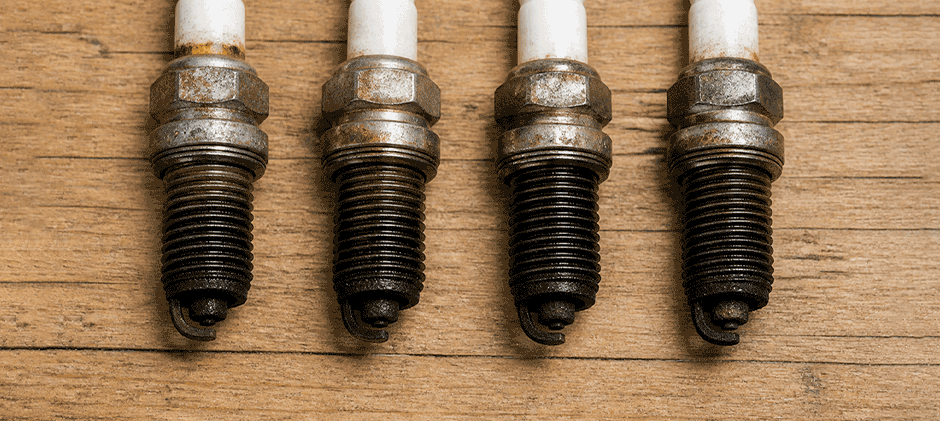
Why Is There Oil on Spark Plug Threads but Not on the Tip?
The clean tip is a clue that helps us narrow down the possibilities. There are two reasons that explain how the threads can get oily while the firing end remains clean.
The Most Likely Issue Is an Outside Oil Leak
On most newer engines, spark plugs sit deep inside holes in the cylinder head. These holes go through the valve cover. Rubber gaskets — known as spark plug tube seals — stop oil from the valve train from dripping down into these holes.
Heat makes these rubber seals turn hard and crack over time. Once they leak, oil builds up at the top of the spark plug. The plug seals tightly against the combustion chamber, so oil can’t get past into the cylinder. When you remove the spark plug, the threads drag through this puddle of oil. The tip stays clean because oil never reaches the combustion chamber at all.
The Second Cause Happens Less Often: an Internal Oil Leak
Oil seeps into the combustion chamber, usually from worn valve stem seals or a broken PCV system.
You may ask: if oil gets inside the cylinder, why doesn’t it dirty the plug tip? Combustion creates extreme heat above 2000°C. This tiny amount of oil turns into fine mist and burns up. That keeps the hot electrode tip clean.
But compression and combustion create huge pressure inside the cylinder (over 1000 psi). Before all the oil burns, some gets pushed up onto the spark plug threads. The threads stay cooler and away from direct flame. The oil can’t burn off here, so it builds up as liquid oil.
How to Tell Where the Oil Is Coming From?
Since there are two distinct possibilities, a step-by-step diagnosis is the best approach. We always start with the easiest and most likely cause first.
Step 1: Inspect the Spark Plug Wells
This is a simple visual check that can often solve the mystery in minutes.
- Remove the plastic engine cover, if your car has one.
- Disconnect the electrical connector from an ignition coil over one of the affected cylinders and remove the coil’s hold-down bolt.
- Pull the ignition coil straight up and out of the spark plug well.
- Using a good flashlight, look down into the tube.
If you see a puddle of fresh oil sitting on top of the spark plug, you have found your culprit. The valve cover gasket and/or the integrated spark plug tube seals are leaking. The oil is external to the combustion chamber. You don’t need to investigate any further.
Step 2: Investigate Internal Sources (If Wells Are Dry)
If you pull the ignition coil and find the spark plug well is completely dry, yet the plug threads are still oily, then the oil is coming from inside the cylinder. This points to one of several internal issues.
- Bad Valve Stem Seals: These are tiny, inexpensive seals that prevent oil from the cylinder head from sliding down the valve stems into the combustion chamber. When they wear out, engine vacuum can pull oil into the intake port. A classic sign is a puff of blue-gray smoke from the exhaust when you first start the engine after it has sat for a while.
- Faulty Positive Crankcase Ventilation (PCV) System: The PCV system is designed to remove combustion blow-by gases from the crankcase. However, if the PCV valve gets stuck or a hose is clogged, the system can malfunction and pull a significant amount of liquid oil and oil vapor into the intake manifold. This oil is then distributed to the cylinders and can be forced into the plug threads.
- Leaking Intake Manifold Gasket: On some engines, particularly V-type designs, the intake manifold gasket also seals the lifter valley away from the intake ports. If this gasket fails, the strong vacuum in the intake port can suck a large amount of oil directly into the cylinder. This can sometimes be identified if the oily plugs are all on one side of the engine.
Can Oil on Spark Plug Threads Cause a Misfire?
Can oil on spark plug threads trigger a misfire?
Oil just on the threads normally won’t cause a misfire. Threads only hold the spark plug in place; they don’t carry electrical spark. That said, whatever issue is letting oil get onto the plug can create ignition troubles and misfires down the line. Greasy threads are just a symptom — the real root problem hurts engine performance. Here’s how these underlying issues lead to misfires:
- If you have an external leak, like failed spark plug tube seals, oil can fill up the spark plug well and cover the connection between the ignition coil boot and spark plug. Oil damages the coil boot and lets spark leak straight to the cylinder head instead of jumping to the electrode. You’ll end up with weak spark or no spark at all.
- If it’s an internal leak, such as worn valve stem seals, oil seeps into the combustion chamber and messes up the air-fuel mix. This raises risks of knock or pre-ignition. Over time, oil builds up on the plug tip, fouls the spark plug, and stops it from firing properly.
Oily threads aren’t directly causing misfires. But they’re an obvious warning. If you ignore this problem, a misfire will likely show up eventually.
How to Fix Oil on Spark Plug Threads?
The repair depends on where the oil leaks from. Fix the source, and you solve the problem.
External Leaks (Oil Inside Spark Plug Wells)
You have to swap out the leaking seals. Get a valve cover gasket kit; it usually comes with the main gasket and spark plug tube seals.
Steps: Take off the valve cover, thoroughly clean all sealing surfaces, fit new gaskets, reinstall the cover, and torque bolts to factory specs following the proper tightening order.
Internal Leaks (Spark Plug Wells Stay Dry)
- PCV system: Start here. PCV valves are cheap and easy to replace. Check hoses for cracks or clogs, replace damaged ones.
- Valve stem seals: Harder repair. You need a valve spring compressor. It can be done without removing the cylinder head, but it takes time and skill.
- Intake manifold gasket: Requires removing the intake manifold. You’ll need to drain coolant and disconnect fuel lines plus sensors. It’s labor-heavy work.
Conclusion
If you spot oil on the spark plug threads, that’s a clear warning sign. Follow proper troubleshooting steps to pinpoint the root cause. First, visually check the spark plug wells for leaks from the valve cover gasket. If the wells stay dry, move on to internal issues like problems within the PCV system. When you need new spark plugs or seals, turn to FridayParts. We stock reliable aftermarket parts that fit perfectly. Shop with us to get the right parts fast.
