

How to Flush Your Cooling System?
Is your engine running hot? Don’t just top off the coolant—what’s lurking inside could be a ticking time bomb of rust and gunk. It’s time to flush it out and save your engine from a meltdown.
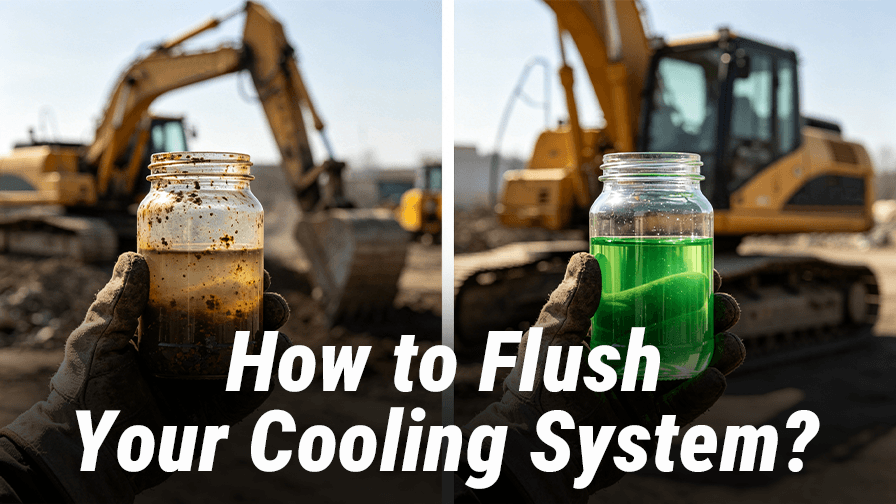
Is your engine running hot? Don’t just top off the coolant—what’s lurking inside could be a ticking time bomb of rust and gunk. It’s time to flush it out and save your engine from a meltdown.
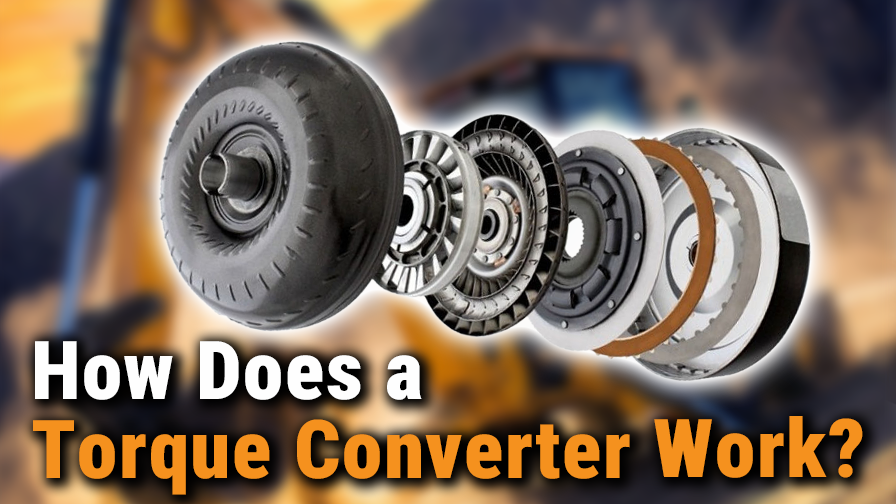
Curious about how does a torque converter work? This vital component uses hydraulic fluid to transfer power, multiply engine torque for tough jobs, and ensure smooth operation. Learn about its core parts and the function of the lock-up clutch.
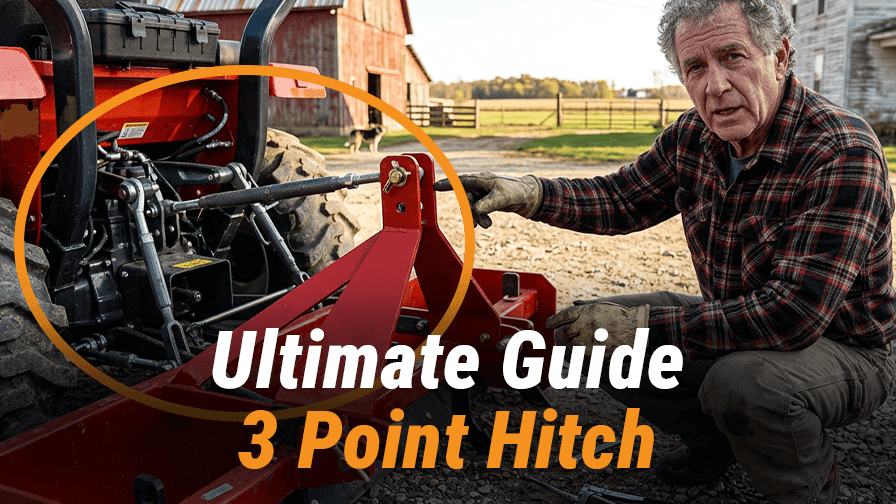
Are you new to a tractor and going to explore attachments like loaders or flail mowers? It’s essential to know the 3-point hitch system. In this guide, you will know what a three-point hitch is and how it works, helping you make informed decisions for your land management needs.
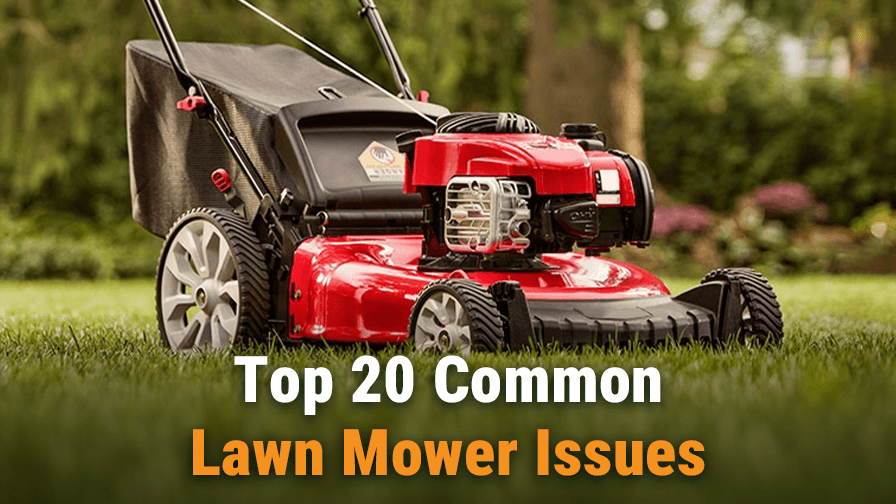
Lawn mower issues often start small—hard starting, surging, belt squeal, uneven cutting, or vibration—but can quickly lead to downtime if ignored. This guide covers the most common problems found on commercial mowers, zero-turns, riding mowers, and walk-behind units, along with practical troubleshooting steps for fuel, airflow, spark, blades, belts, and deck systems. You’ll learn how to identify whether the issue comes from the engine or cutting system, what checks should happen first, and when deeper inspection is necessary. With the right maintenance habits and replacement parts ready, operators can reduce costly breakdowns and keep mowing equipment working efficiently through demanding conditions.
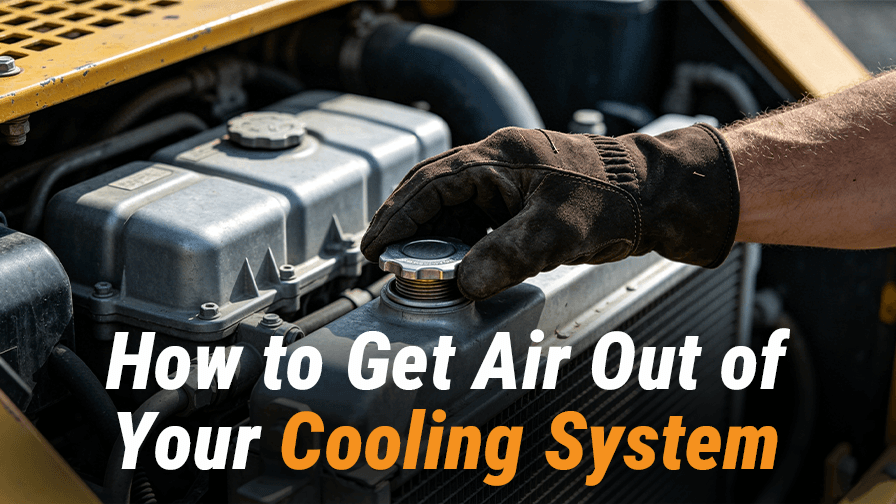
Engine overheating? Gurgling sounds? Air in your cooling system is a silent engine killer. This guide reveals how to get air out of your cooling system in 5 simple steps. Bleed out those dangerous air pockets to prevent costly damage and keep your machine running cool and strong!
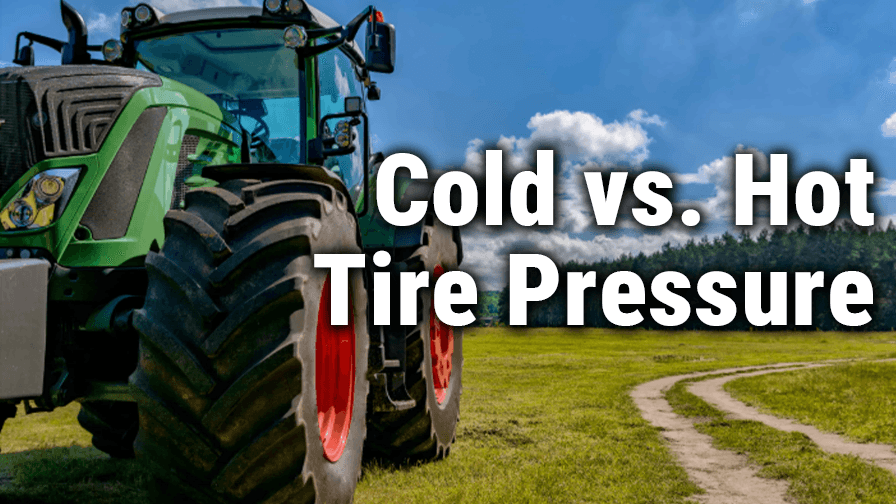
Understanding cold tire pressure vs hot is crucial. This guide explains why pressure rises with heat and why you must always set PSI on cold tires. Learn the right way to measure to prevent costly blowouts, poor traction, and premature wear.

New to operating a tractor? You’ve probably noticed a pedal or level labelled “Diff Lock” and wondered what it actually does and when you’re supposed to use it. You’re not alone. This is a common confusion among many new tractor owners. This guide breaks down everything you need to know about the differential lock, including how it works, when to use it or avoid it, and how to engage it correctly.
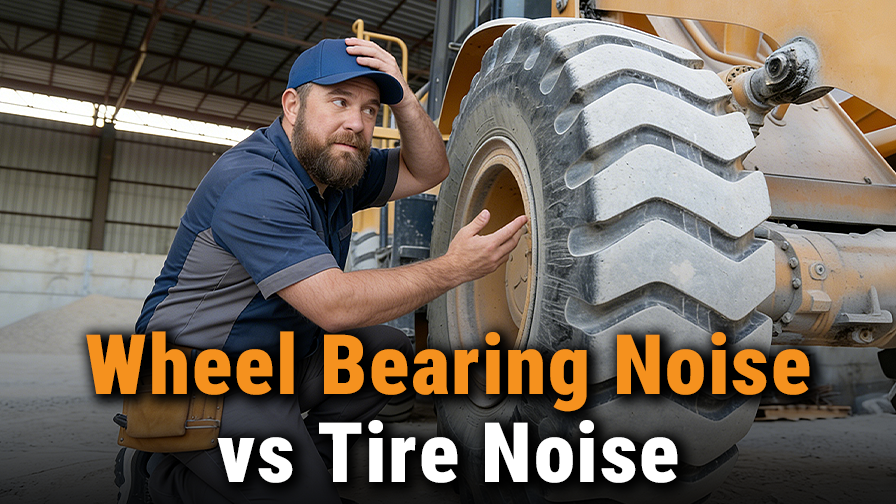
Bearing noise vs tire noise can sound almost identical at first, especially on off-road machines working on rough surfaces. The key difference is how the sound reacts to speed, steering load, and ground conditions. Tire noise is often linked to tread wear, cupping, inflation, or surface texture, while wheel bearing noise usually changes during turns and becomes more consistent over time. This guide explains practical field tests, visual inspections, and common look-alike problems that help operators avoid replacing the wrong parts. Catching the issue early can reduce downtime, prevent hub or tire damage, and keep heavy equipment operating safely and efficiently.
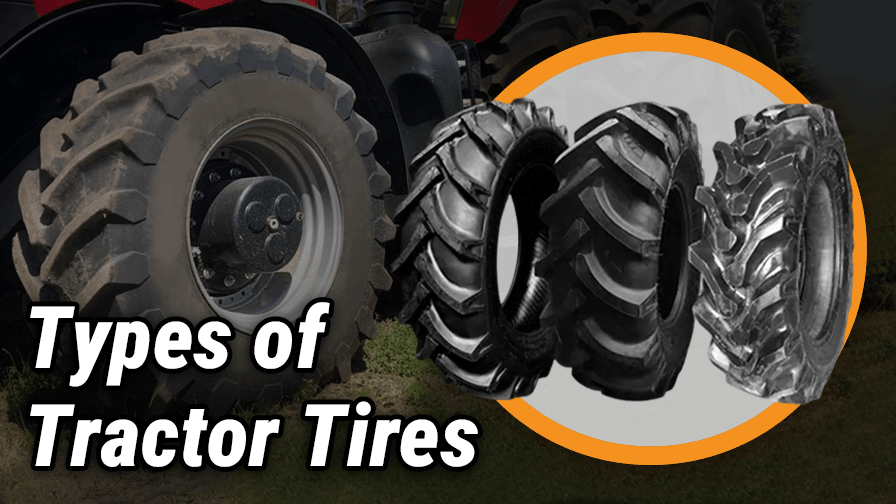
Unlock better performance by understanding the main types of tractor tires. This guide explains the difference between R-1, R-1W, R-2, R-3, and R-4 treads, helping you pick the perfect tire for your specific job and terrain.
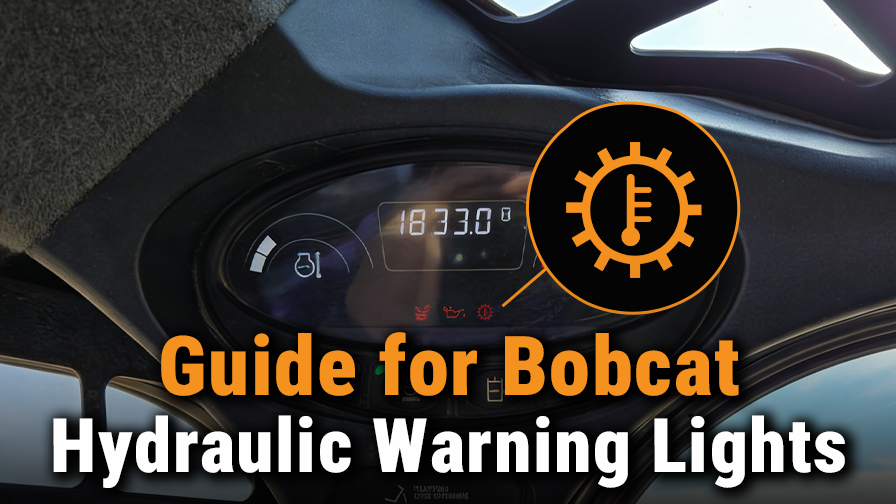
Flashing Bobcat Hydraulic Warning Lights? Don’t stress! This guide decodes high temp and filter alerts. Learn the common causes, from low fluid to a clogged cooler, and follow our 5-step troubleshoot to prevent costly damage. Keep your Bobcat powerful and protected. Read now!
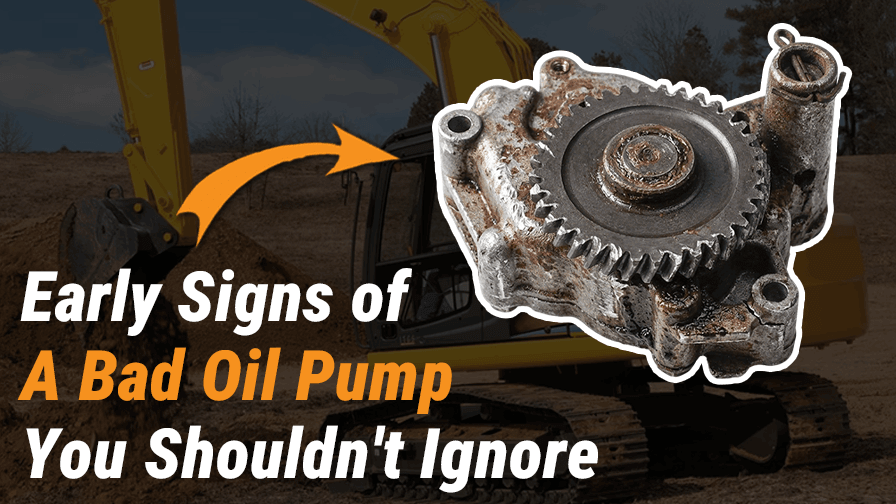
An oil pump is the heart of your engine’s lubrication system. When it fails, it can cause downstream damage to engine components and drive the repair bill into five or six figures. That’s why you should know the bad water pump symptoms. Delaying repairs can lead to engine failure and cost you arms and legs. Read on and find out the 5 main warning signs of a bad pump, how to check it, and whether or not you can operate with a bad oil pump.
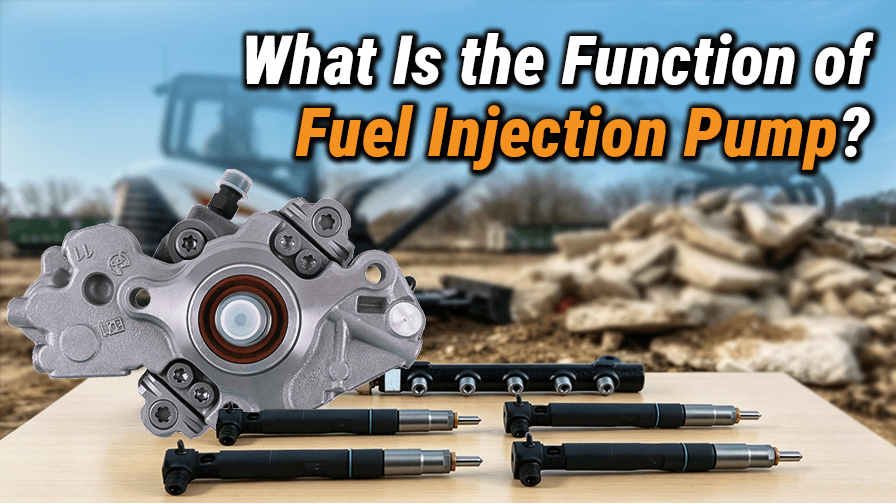
A fuel injection pump controls diesel fuel pressure, timing, and delivery, making it critical for off-road equipment performance under heavy load. When pumps begin to fail, operators often notice hard starting, black smoke, unstable idle, weak power, or shutdown issues. Understanding the different pump types, common symptoms, and proper fuel-system maintenance can help prevent costly downtime and repeat repairs.