

A radiator leaking problem on an excavator, skid steer, loader, forklift, or tractor can turn into downtime fast. Coolant loss raises engine temperature, and overheating can damage seals, hoses, and internal engine parts. This guide focuses on off-road machinery and shows how to spot a leak quickly, what typically causes it, and the most practical radiator leak repair steps—so you can decide whether a field fix is enough or a parts replacement is the safer call.
Signs of a Radiator Leak
Start with checks that take minutes and don’t require special tools:
- A coolant puddle or wet dirt under the front of the machine after parking
- Low coolant level in the radiator or recovery tank (needing frequent top-offs)
- Sweet/burnt odor near the engine bay (coolant smell)
- Steam from the grill area or around the engine compartment
- Rising temperature on the gauge, especially under load or at low travel speed
- White crusty residue on tanks, seams, or hose joints (dried coolant)
- Radiator fins wet or stained, even if the ground looks dry (small leaks can evaporate)
Safety note: Never remove a hot radiator cap. A pressurized system can release hot coolant and steam.
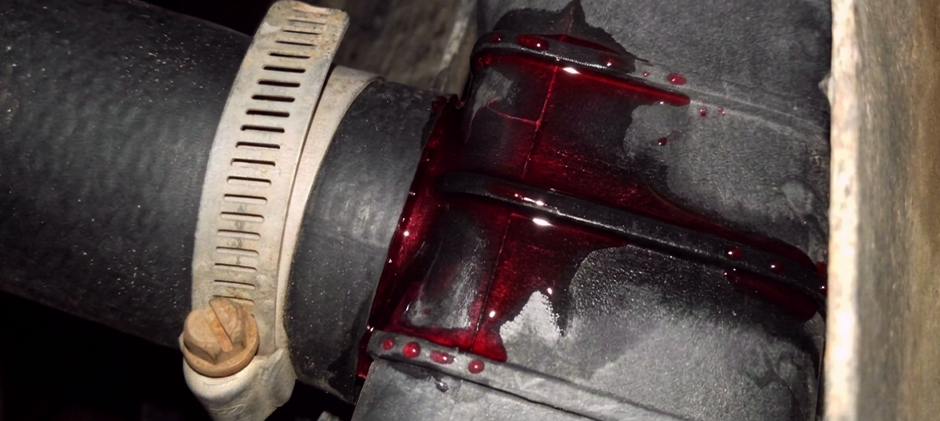
The Causes of a Radiator Leak
Most leaks on off-road machinery come from a few predictable places. The fastest way to a solid radiator leak repair is matching the symptom to the cause.
1) Vibration + fatigue at joints and tanks
Heavy equipment runs on rough ground and high vibration. Over time, seams, tank crimps, and mounting points can loosen or crack—especially if mounts are worn, or bolts are missing.
2) Hose aging or clamp issues
A worn radiator hose can crack, balloon, soften near heat sources, or collapse under suction. Loose clamps or poor routing can cause rubbing that eventually cuts through the rubber.
3) Cap not holding correct pressure
A radiator cap is a pressure control part, not just a cover. If the radiator cap seal is weak or the spring fails, the system may boil sooner, push coolant out, or draw air back in—leading to low coolant and overheating.
4) Core damage or corrosion
The radiator core is the tube-and-fin section that sheds heat. It can leak from:
- Impact (stones, debris, tool contact)
- Corrosion (old coolant, wrong mix, poor maintenance)
- Plugging (mud and dust reduce cooling, raising pressure/temperature stress)
5) Overheat events and pressure spikes
Repeated overheating can warp plastic tanks, weaken solder/braze joints, and stress hoses. A sticking radiator thermostat can cause unstable coolant flow and temperature swings that push the system past normal pressure/heat.
6) “Leak” that’s really elsewhere
Sometimes coolant appears near the radiator but comes from a hose connection, thermostat housing, or water pump area. That’s why the first goal is always: find the exact origin.
How to Repair a Radiator Leak Quickly?
This is the decision path that works for most off-road machines. The goal is a repair that holds under load—not just a dry-looking radiator at idle.
Step 1: Stop work and cool down safely
If the temp is climbing, stop heavy operation. Idle briefly to stabilize temps, then shut down. Let the system cool fully before touching the cap, hoses, or radiator.
Step 2: Confirm the leak source
Use a strong light and look for the highest wet point—coolant runs downward and can fool you.
Check in this order:
- Cap area and overflow hose (around the radiator cap)
- Upper and lower hose ends (at the radiator hose clamps)
- Tank seams and side plates
- Face of the radiator (core area)
- Thermostat housing area (near the radiator thermostat)
Step 3: Choose the right “quick repair” level
A) If the leak is at a hose/clamp
- Tighten clamps (don’t overtighten and cut the hose)
- Reposition the clamps behind the bead on the fitting
- If the hose is cracked/soft/swollen, replace it—don’t rely on tightening. A new radiator hose is often the fastest, most reliable fix versus repeat top-offs.
B) If the cap is suspect (cheap, high-impact fix)
If coolant keeps pushing out, or the system won’t hold pressure, replacing the radiator cap is a smart step—but match the correct pressure rating and fit for the machine.
C) If the leak is a small seep at the radiator core or seam
For a temporary “finish the shift” fix, some operators use stop-leak products. Use caution:
- Only treat it as temporary
- Follow product directions exactly
- Plan a proper inspection afterward
Why caution? Stop-leak can clog small passages, and that’s the last thing you want in a system that already runs hot under load.
D) If the leak is from core damage, repeated failure, or visible cracks
At this point, replacement is usually the most reliable radiator leak repair. A damaged radiator core or failing end tank often comes back—especially after vibration and heat cycling.
In many cases, replacing the full radiator assembly is the cleanest solution when:
- Multiple leak points exist
- Fins are heavily blocked or bent
- The machine has a history of overheating
- Repairs don’t hold under pressure
Step 4: Refill correctly and verify the repair
- Refill with the correct coolant type and mix for your equipment
- Bleed air as required (air pockets can cause hot spots and false “new leaks”)
- Run to operating temp, monitor gauge, and re-check for seepage
- After cooling, recheck the level again
Frequently Asked Questions
1) Can you operate a machine with a radiator leaking?
If it’s an actively radiating radiator leaking and the level is dropping, continued work risks overheating. Short, low-load movement to a safe area may be possible, but heavy operation can turn a small leak into engine damage.
2) Is stop-leak a permanent radiator leak repair?
Usually no. It may help with tiny seepage, but it doesn’t fix cracked plastic tanks, damaged seams, worn hoses, or a failing core. Treat it as a temporary measure and schedule a proper repair.
3) Should the thermostat be replaced when fixing a radiator leak?
Not always, but it’s worth checking if you had overheating, erratic temps, or repeated pressure events. A faulty radiator thermostat can create conditions that lead to leaks.
4) Why does the radiator leak only under load?
Load raises heat and system pressure. Some leaks open only when the coolant is hot and the system is pressurized. That’s why a pressure test is so useful.
5) What’s the easiest part to overlook?
The cap. A weak radiator cap can cause coolant loss and overheating symptoms that can appear to be a larger failure.
Conclusion
A radiator leaking issue is one of the fastest ways to lose uptime on off-road machinery. Start with safe cooldown, find the exact leak source, then choose the repair level that matches the damage—clamps/hoses and caps are quick wins, while core and tank damage usually calls for replacement. If parts are needed, FridayParts is an aftermarket parts supplier with high-quality products at affordable prices, a vast inventory, and wide compatibility across many heavy equipment brands.
