

If your engine runs rough or lacks power, a dirty diesel fuel tank is often the culprit. How to clean a diesel fuel tank? In many cases, you can clean it without removing the tank. The basic way is to drain the fuel, filter it, and flush the tank several times. This guide walks you through this easier method step by step. We’ll also cover better ways to get rid of tough sludge and rust, so you can fix the problem for good.
Signs Your Diesel Fuel Tank Needs Cleaning
Before you start taking parts apart, make sure a dirty fuel tank is actually causing your issues. Your machine usually shows obvious signs when something is wrong with the fuel supply.
The biggest clue is an engine that sputters, runs rough or shuts down out of nowhere. This often happens under heavy load or when driving uphill. As the machine moves, sediment at the bottom of the tank gets stirred up. This gunk then gets pulled toward the fuel outlet. A big piece of debris can plug the opening and cut off fuel flow, stalling the engine. Let the machine sit for a while, and that debris may drift away. The engine starts back up again, so the problem comes and goes. That makes it really hard to figure out what’s going on.
Another clear warning: fuel filters keep getting clogged. If you’re swapping out filters much sooner than the manufacturer suggests, your tank is sending constant dirt into the fuel system. Check your old filter when you replace it. If it’s full of black, slimy buildup or rusty bits, sludge and rust inside the tank are almost certainly the issue. Some equipment has a fuel‑water separator. If yours does, you may even spot dirt or water sitting in the bowl.
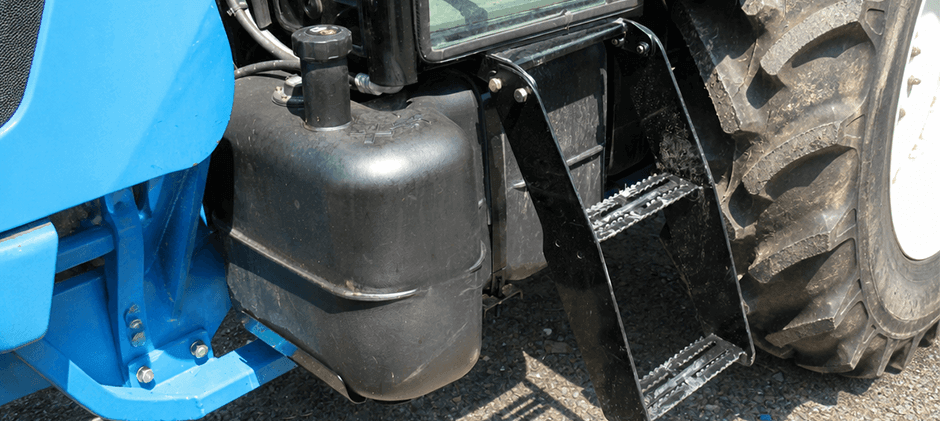
How to Clean a Fuel Tank Without Removing It?
Taking a fuel tank off is a big hassle. You have to disconnect lots of hoses, the fuel gauge wiring, and struggle with heavy clamps and mounting brackets. Every connection you take apart can leak or malfunction when you put everything back together. Luckily, in most cases, you can get the tank nice and clean without pulling it off your machine.
This cleaning trick works by siphoning out the fuel, filtering it, and pouring it back in. The repeated flushing stirs up and washes away built‑up sediment.
Tools You’ll Need
- A wet‑dry shop vac. Safety reminder: Only use it in well‑ventilated spaces and stay far from sparks or flames. Fuel fumes catch fire easily.
- Two clean empty buckets
- Filter material: a clean old T‑shirt, paint strainer, or a fuel filter funnel
- A long vacuum hose that reaches all the way down to the tank bottom
The Cleaning Steps
- Drain out the fuel first: Slide the vacuum hose down the filler neck until it touches the tank bottom. Turn on the shop vac and pull all the diesel fuel into your first bucket. You’ll quickly see how much gunk and sludge settled at the bottom.
- Filter the dirty fuel: Lay your filter (the T‑shirt works great) over the second empty bucket. Slowly pour the fuel from the first bucket through the filter. Fine dirt gets caught in the fabric, and big chunks stay behind in the first bucket. Check what you collect — you may find big rust flakes or hardened sludge.
- Stir and flush the tank: Now pour the filtered fuel from the second bucket back into the tank. Pour it firmly. The strong flow stirs loose leftover sediment stuck on the tank bottom and walls, mixing the dirt into the fuel.
- Do the whole cycle over again right away: Use the shop vac to suck the fuel out once more, filter it, and check how much debris you picked up. You’ll notice less dirt each time you repeat this process.
- Final cleaning round: Keep draining, filtering, and re‑adding the fuel 3 to 5 times. Stop when hardly any dirt shows up on the filter or at the bottom of the bucket. Your tank will be mostly clean at this stage.
This method works really well on loose sludge and debris that clog your fuel system. The best part: you skip all the trouble and risks of removing the tank. Grab a few basic tools, and you can finish the whole job in one afternoon.
How to Clean Sludge Out of a Diesel Fuel Tank?
If cleaning the tank without taking it out doesn’t work, or thick, hard gunk is stuck solid on the inside walls, you’ll need a tougher cleaning plan. These stronger methods mean pulling the fuel tank off the machine. That way you can reach every spot and use strong cleaners or tools.
Method 1: Clean with Chemical Solvents
When there’s a lot of built‑up sludge, solvent cleaners usually work best. They melt down the sticky, waxy diesel gunk so you can just wash it right out.
How to do it:
- First, take the tank off and empty all leftover fuel. Good choices are acetone, mineral spirits, or heavy‑duty industrial degreaser. Acetone works really fast and can dissolve thick sludge almost right away.
- Pour plenty of your solvent inside the tank. For most tanks, start with about one gallon. Plug every opening tightly. Shake and slosh the solvent around inside so it touches every wall.
- Leave it sitting for a few hours. If the gunk is really bad, let it sit overnight. This gives the solvent time to break up all the sludge.
- Drain the dirty solvent into a proper container to get rid of it safely. You’ll see thick, dark, messy liquid come out.
- Rinse the tank well. A little fresh diesel works great to wash away leftover solvent before you put the tank back on.
Important safety note:
These solvents catch fire easily and give off dangerous fumes. Work somewhere with lots of fresh air, and stay far from flames or sparks. Wear a respirator and chemical‑proof gloves to stay safe.
Method 2: Cut and Weld the Tank (Only for the Worst Situations)
Sometimes the tank is too dirty, or its shape makes corners impossible to clean fully. The only way to get it spotless is to cut it open. Only experienced welders should try it.
- Use an angle grinder or plasma cutter to cut out a big panel on the tank. Now you can reach inside and scrape off all the gunk by hand.
- Once cleaning is finished, dry the inside completely. You can drill a tiny hole at the very bottom to drain leftover water, then seal it up later.
- Weld the cut panel back on carefully. Taper the edges for a solid, leak‑tight weld.
- This method gets the tank totally clean. But if your welding isn’t perfect, the tank will probably leak.
Can You Pressure Wash a Diesel Fuel Tank?
Pressure washing seems like a logical way to blast away grime, but its effectiveness for a diesel fuel tank depends heavily on two factors: access and the cleaning medium.
If your tank only has small openings like the filler neck and pump hole, a pressure washer is largely ineffective. You simply cannot angle the wand to reach all the interior surfaces, especially the corners and top of the tank.
The bigger issue, however, is using water. If you pressure wash a steel tank with water, any moisture left behind will inevitably lead to rust in the fuel tank. Water also promotes microbial growth (the “diesel bug”), which is a primary cause of sludge in the first place. If you do use water, you must ensure the tank is completely dry before reinstalling it, which can be difficult. Using a heater or a steady flow of compressed air can help evaporate all moisture.
A far better approach is to use the pressure washer with a solvent. Feed the pressure washer from a bucket containing about five gallons of diesel or kerosene. This allows you to use the mechanical force of the spray to dislodge grime without introducing water into the system.
How to Prevent Diesel Fuel Tank Sludge?
Sludge mainly forms when water builds up from condensation, microbes start growing, and diesel slowly goes bad over time. Try these easy tips to keep your tank clean.
- Buy good fuel: Always get fresh, clean diesel from a trusted supplier.
- Keep the tank topped up: A full tank leaves less room for air. Less air means less condensation when temperatures go up and down. This matters a lot for machines or vehicles that sit idle for a long time.
- Add fuel treatments regularly: Use reliable fuel additives on a routine basis. A biocide kills bacteria, algae and fungus that turn into slimy sludge. A fuel stabilizer stops diesel from breaking down and leaving messy deposits behind.
- Drain your water separator often: If your setup has a water separator, empty it regularly. Get rid of collected water early before it causes trouble.
- Try fuel polishing for bigger tanks: If you own large stationary tanks or run commercial equipment, a fuel polishing system is well worth the money. It’s an outside filtering circuit that keeps pumping fuel through multiple filters. It pulls out water and dirt nonstop, so your fuel stays clean.
Conclusion
A clean diesel fuel tank keeps your engine running reliably and efficiently. Whether you go with an easy, hands‑off cleaning method or a deeper chemical wash, getting rid of contaminated fuel helps you avoid expensive breakdowns and make your equipment last longer. If you need a new fuel filter after cleaning the tank, or you’re shopping for other dependable aftermarket parts, FridayParts has you covered.
