

The rule of how often to change an oil filter is simple: every oil change gets a new one. Some manuals suggest a longer filter interval for light use, but for equipment working in tough conditions, the safer choice is to replace it every time. This guide explains the standard interval, what changes it, and how to track your schedule the right way.
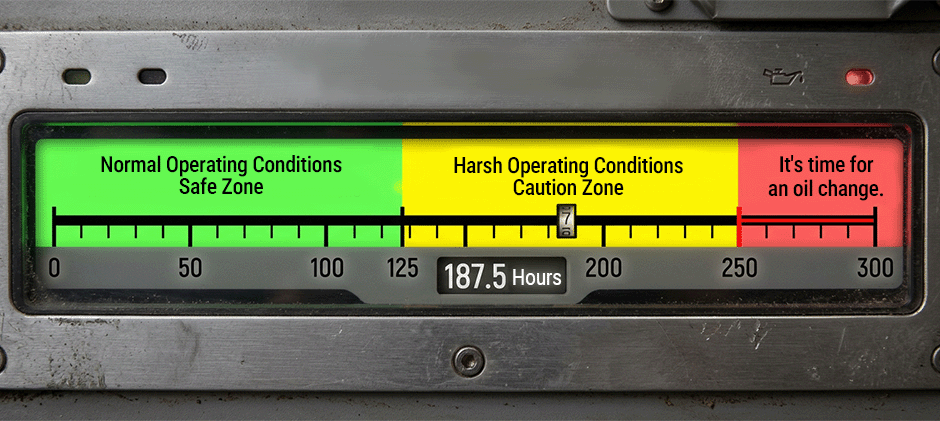
When Should You Change an Oil Filter?
For most machines, the best practice is simple:
- Change the oil filter with every engine oil change
- Follow the machine manual first if it gives a specific hour interval
- Shorten the interval if the machine works in dust, high heat, steep grades, or repeated idle-to-load cycles
Many automotive sources say the filter may last through two oil changes. For working machinery, that approach does not hold up. A machine engine runs under higher load than a passenger vehicle, and contamination builds faster in real jobsite conditions.
A clean filter protects clean oil. Fresh oil pushed through an old loaded filter loses part of the value of the service.
| Machine Use | Oil Filter Change Interval | Practical Advice |
|---|---|---|
| Light seasonal use | Every oil change | Do not stretch the filter just because hours are low |
| Normal daily use | Every oil change | Best baseline for most owners |
| Dusty or muddy work | Every oil change, sometimes earlier | Inspect restriction signs closely |
| High-load or hot-weather use | Every oil change | Heat speeds oil breakdown |
| Older high-hour machines | Every oil change | Extra protection helps control wear |
If someone asks how often to change an oil filter, this is the shortest useful answer: at every oil change, or sooner if operating conditions are severe.
Why Should You Replace It Every Time?
The oil filter traps dirt, soot, metal particles, carbon, and degraded oil residue before those contaminants keep circulating through the engine. Once the filter media loads up, flow can drop. If restriction gets high enough, the bypass valve may open and allow unfiltered oil to move through the system. That keeps oil flowing, but it also increases engine wear.
This matters even more on working machines because engines often face:
- Dust-heavy air
- Long idle periods followed by hard load
- Frequent cold starts
- Heat soak in enclosed engine bays
- Long service hours over uneven ground
Replacing the filter at each oil service helps in four ways:
- Protects the lubrication system from abrasive particles
- Supports stable oil flow during long work cycles
- Reduces wear on bearings, rings, and valve train parts
- Keeps fresh oil cleaner longer after the service
A new oil filter, clean engine oil, and a quality air filter, fuel filters, and hydraulic filters work together. When one part of that chain is neglected, the whole service result gets weaker.
What Changes the Oil Filter Interval?
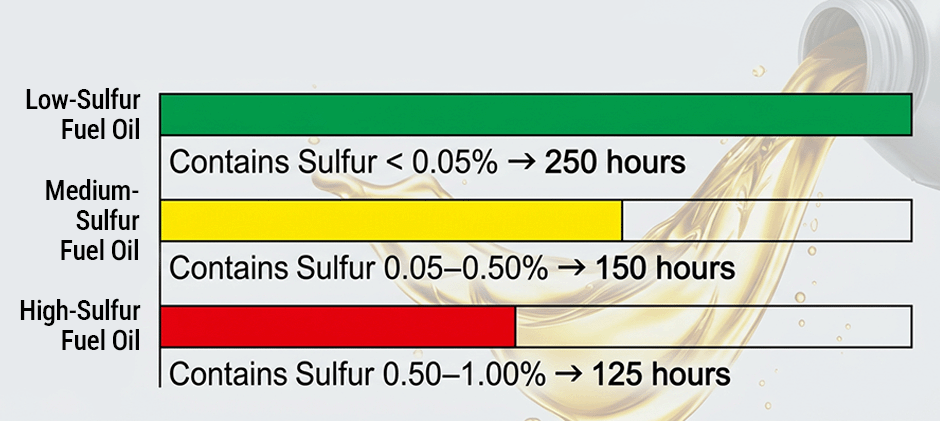
Not every machine needs the same schedule. The real answer to how often to change an oil filter depends on operating conditions, engine hours, and contamination risk.
1. What Type of Work Does the Machine Do?
Machines that dig, grade, lift, or push under load contaminate oil faster than machines used only for light transport or occasional farm tasks.
Examples of harder use include:
- Repeated hydraulic attachment work
- Long idle time followed by sudden throttle demand
- Climbing slopes with full loads
- Working in demolition or dry soil
2. What Conditions Does It Work In?
Dust, moisture, and temperature all affect service life. A shorter interval is smart when the machine works in:
- Sandy ground or dry construction sites
- Wet clay or muddy lots
- Freezing starts in winter
- High ambient summer heat
3. What Does the Manual Say?
The manual should always set the starting point. Most equipment uses hour-based maintenance rather than mileage. If the engine oil interval is 250 hours, the oil filter should normally be replaced at the same time unless the manual clearly states otherwise.
4. What Oil Are You Running?
Better oil can help slow contamination and resist breakdown. Even so, better oil does not make an already loaded filter clean again. Good oil supports the interval; it does not remove the need for a new filter.
When choosing replacement parts, reliable aftermarket options like engine oil filters and air filters keep the engine running clean between services. Quality filtration makes a real difference in how long the oil stays effective.
How Do Common Service Recommendations Compare?
Different sources often give different advice. Some say every second oil change. Others say every oil change. For working machinery, the more conservative schedule is usually the better one because the operating environment is tougher than normal road use.
| Recommendation Style | Typical Advice | Best Fit for Working Machines |
|---|---|---|
| Extended interval | Every second oil change | Less ideal in dusty or high-load work |
| Standard service | Every oil change | Best general rule |
| Severe duty service | Every oil change or earlier | Best for harsh sites and long idle/load cycles |
That is why how often to change an oil filter should not be answered with one universal number only. The better answer is: follow the manual, then adjust for real working conditions.
How to Track Your Service Schedule
A strong tracking system is what turns this from a guess into a routine. If you are still asking how often to change an oil filter, the best answer is the one tied to machine hours and job conditions.
4 Simple Steps to Stay on Track:
- Track engine hours using the hour meter, not memory
- Match service to real conditions—severe duty needs shorter intervals
- Replace the filter with the oil every time
- Inspect during every service for metal in drained oil, sludge, or abnormal heat
Basic Service Checklist:
- Confirm current engine hours
- Drain engine oil fully
- Replace the oil filter
- Refill with the correct grade and quantity
- Start and verify oil pressure
- Check for leaks around the filter seal
- Record the next service hour
This method is simple, but it prevents a lot of avoidable wear.
Final Words
That is the takeaway: new oil gets a new filter. Period. Use 250 hours as your starting point, but adjust downward for tough conditions—dust, heat, heavy loads, or constant stop-start work. Fuel with higher sulfur content will force even shorter intervals. A solid service routine costs less than engine repairs down the road. When it comes time to stock up on oil filters and other service parts, Fridayparts offers solid options with broad compatibility and competitive pricing.
