

In the world of heavy earthmoving and forestry, downtime is the predator that kills your profit margins. When a machine sits idle in the shop, you aren’t just losing the cost of the repair; you are losing the revenue that the machine should be generating on the job site. One of the most frequent worries we hear from fleet owners involves the durability of the torque converter. Because this part is buried between the engine block and the transmission housing, it is easy to ignore—until the machine stops moving or the bell housing starts screaming. We will look at the expected lifespan of this component, how to spot the early warning signs of a failure, and the rugged maintenance steps you need to take to keep your equipment in the dirt.
Torque Converter Lifespan in Off-Road Machinery
If you look at standard over-the-road trucks or passenger vehicles, a torque converter is usually expected to survive between 100,000 and 200,000 miles. Under perfect highway conditions, some might even see the far side of 250,000 miles. However, off-road machinery in mining, construction, and forestry operates in a world where “miles” don’t mean a thing. We measure life in grueling work hours and duty cycles. While the manufacturer might suggest the unit is made for the entire life of the machine, the harsh realities of high-ambient heat, fine silica dust, and constant heavy loading often tell a different story.
In a perfect world with clean fluid and steady work, you might get 10,000 hours out of a unit. But in a high-production mine or a steep logging patch, that timeline can drop to 5,000 hours or less. The health of your transmission is tied directly to the health of the converter. Because these systems share fluid and cooling, a disaster in the converter will send metal shards straight into your transmission gears and valve bodies, turning a manageable repair into a total rebuild.
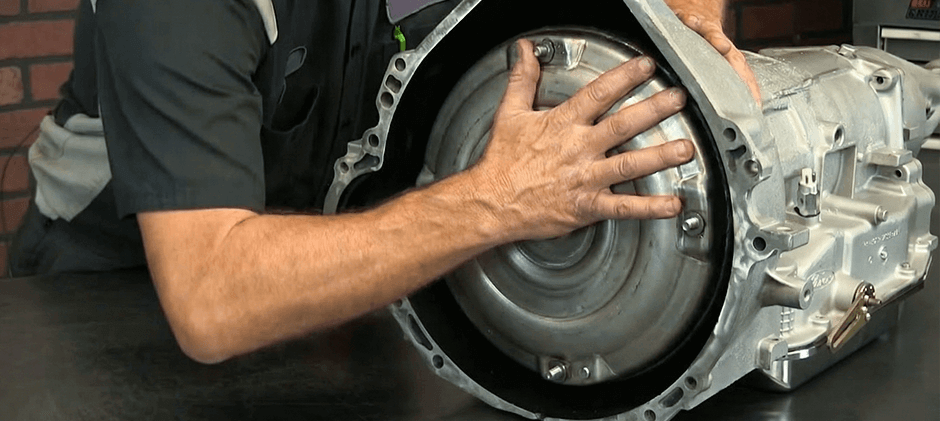
Primary Factors Influencing Longevity
If you want to know how long your part will last, you have to look at the environment. Several variables dictate when the internal components will finally give up.
Operating Conditions
The “duty cycle” is the biggest predictor of wear. A machine that runs at a steady throttle on level ground, like a long-haul articulated truck on a maintained road, faces very little internal stress. Contrast that with a wheel loader working a tight face or a dozer doing heavy ripping. These stop-and-go cycles require the converter to constantly engage and disengage the lockup clutch and manage massive torque multiplication. This frequent cycling creates extra friction and intense heat, which wears down internal parts much faster than steady hauling.]
Heavy Loads and High Torque
Consistently pushing a machine to its maximum load capacity is a major factor in component fatigue. When you ask a machine to move more material than it is rated for, the torque converter has to work harder to transfer that power through the fluid. This creates “fluid shear,” a process where the fluid molecules are literally torn apart by the force of the spinning turbine and impeller. This process generates massive amounts of heat. In my experience, frequent heavy-duty operation can reduce the life expectancy of the unit by 30% to 50%.
Operating Temperature: The Mechanical Why
Heat is the number one enemy of transmission parts. To understand why, you have to look at the chemistry and mechanics inside the housing. At high temperatures, the transmission fluid undergoes “thermal breakdown.” The additives that prevent foam and protect metal surfaces begin to fail.
When the fluid thins out too much, the hydrodynamic lubrication film—the thin layer of oil that keeps metal parts from touching—vanishes. This leads to “spalling” on needle bearings, where tiny bits of metal flake off the bearing race. Furthermore, high heat hardens the rubber seals, making them brittle and prone to leaking. Once a seal leaks, internal pressure drops, causing the lockup clutch to slip. This slipping creates even more heat, leading to a “death spiral” that ends in total failure.
| Factor | Impact on Lifespan |
|---|---|
| Steady High-Gear Operation | Maximizes life; keeps heat low and lubrication stable. |
| Stop-and-Go/Ripping | Accelerates wear; increases engagement stress on clutches. |
| Overloading/Towing | Reduces life by 30-50% due to extreme fluid shear and heat. |
| Cooling System Efficiency | Poor cooling leads to seal hardening and fluid breakdown. |
| Fluid Contamination | Fine dust or metal shavings act as sandpaper on internal fins. |
| Operator Habits | Aggressive shifting or “stalling” the converter spikes temps. |
How to Extend Torque Converter Life?
You do not have to wait for a failure to take action. Proactive care is the only way to reach that 10,000-hour mark.
- Fluid and Filter Maintenance: This is the most important step you can take. High-quality fluid contains additives that maintain viscosity even under the extreme pressure of a mining environment. Stick to a strict schedule—typically every 500 to 1,000 hours, depending on the machine—for changing both the fluid and the filters.
- Warm-up Procedures: Never jump into heavy acceleration with a cold machine. In cold weather, transmission fluid is thick and does not flow easily through the small orifices of the valve body or the converter’s fins. Allow the system to reach operating temperature so the oil can provide a proper lubrication film before you put it under heavy load.
- Early Intervention: Addressing a minor shudder today prevents a $20,000 transmission bill next month. If you see “glitter” in the filters or hear a new whine, pull the unit for inspection.
- Maintain the Cooling System: Keep the transmission oil cooler free of dust and debris. In forestry or high-dust construction, a clogged cooler is the fastest way to cook a converter.
When to Replace or Rebuild?
Eventually, every high-hour machine reaches a crossroads. You generally have two choices: rebuilding the unit or replacing it with a new one.
Rebuilding might offer a temporary extension of several thousand hours, which can be a help for older machines with lower production requirements. However, rebuilding is risky because it often involves reusing the old housing or stator. Over thousands of hours, the metal in the housing can suffer from “fatigue,” and microscopic cracks can lead to a sudden, catastrophic burst.
For a machine that is the primary workhorse of your fleet, replacement with a new unit is the better long-term choice. A new torque converter ensures that every component—from the turbine fins to the needle bearings—is at factory specifications. This removes the risk of old metal debris remaining in the system and damaging your other transmission parts.
Conclusion
When it comes time for maintenance or replacement, FridayParts is here to help. As a premier aftermarket parts supplier, we provide high-quality products at affordable prices. Our vast inventory includes a huge range of components with wide compatibility across numerous heavy equipment brands. If you need assistance finding the right parts for your specific machinery, please contact us today.
