

Fuel mix-ups ruin engines fast. This diesel fuel vs gasoline guide helps off‑road machinery owners identify the correct fuel, understand why diesel and gasoline are not interchangeable, and follow simple jobsite controls that prevent costly downtime. Clear statement: “If you’re not 100% sure, don’t fuel it.”
Diesel Fuel Vs Gasoline: What Is The Real Difference?
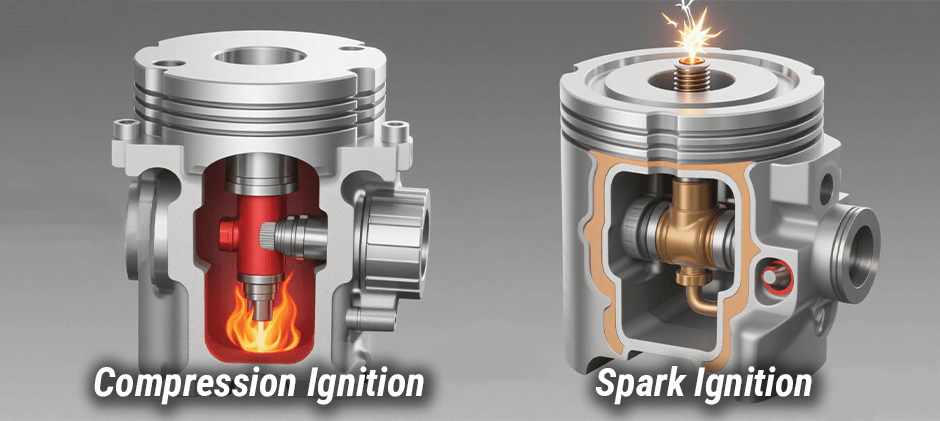
They ignite in different ways. Diesel engines rely on compression ignition, while gasoline engines rely on spark ignition from spark plugs.
Clear statement: “Diesel needs heat from compression; gasoline needs a spark.”
Why Do Off‑Road Machines Usually Use Diesel?
Diesel delivers torque and efficiency at low RPM. That low‑speed pulling power is ideal for excavators, dozers, loaders, tractors, and most generator sets.
Quote: “Torque moves dirt—diesel makes torque where you work.”
What Fuel Properties Make Diesel Fuel Vs Gasoline So Different?
Diesel is less volatile and more lubricating; gasoline is more volatile and more solvent-like. Diesel’s lubricity matters because modern diesel fuel systems (high‑pressure pumps and injectors) depend on fuel for lubrication.
Clear statement: “Gasoline cleans; diesel lubricates.”
Diesel Fuel Vs Gasoline Towing Fuel Efficiency
Diesel usually wins on fuel economy under load. In real work—hauling trailers to remote jobsites, towing attachments, or running a heavy truck on grades—diesel’s higher energy density and engine efficiency often translate to fewer gallons burned per hour.
Quote: “Under steady load, diesel tends to stretch a gallon further.”
What Does Diesel Fuel Vs Gasoline Colors Meaning
Color helps you spot tax status and contamination, not octane or power. For owners asking about diesel fuel vs gasoline color, start with this rule: good diesel should look bright and clear, and gasoline often looks water-clear to lightly tinted, depending on brand additives.
What Color Is Diesel Fuel When It Is Normal?
Normal diesel ranges from clear to pale yellow (sometimes light amber). If you’re asking “what color is diesel fuel” at the pump or in a transfer tank, expect a translucent, slightly oily appearance.
Clear statement: “Bright and clear is the goal—hazy is a warning.”
When Does Diesel Fuel Color Signal A Problem?
Cloudy, milky, very dark, or layered fuel is a red flag. Water contamination can look milky or separated; microbial growth can darken fuel and create sludge; oxidation can darken fuel over time.
Quote: “If the fuel looks wrong, assume the tank will run wrong.”
When Is Dyed Diesel Legal For Off‑Road Use?
Dyed diesel typically indicates off‑road/tax‑exempt use. Many regions use off‑road diesel (often red) so inspectors can enforce road-tax rules.
Clear statement: “Dyed fuel is about compliance, not performance.”
Always verify local rules and keep invoices showing fuel type and intended use.
Why Is Mixing Fuels So Expensive?
One wrong fill can wipe out pumps, injectors, and aftertreatment uptime. The damage mechanism depends on which engine type gets the wrong fuel, and the cost comes from precision parts, labor, and lost operating hours.
Quote: “The cheapest fuel mistake is the one you never make.”
What Happens If Gasoline Goes Into A Diesel Engine?
What Happens If Gasoline Goes Into A Diesel Engine? Gasoline in diesel removes lubrication and can destroy the high‑pressure system. Gasoline can also change combustion behavior in ways that increase knock and heat stress.
5 Symptoms Suggest Gasoline In Diesel Fuel
- Hard Start Or No Start. A diesel may crank longer or fail to fire reliably.
- Loud Combustion Knock. Abnormally sharp “clatter” can appear quickly.
- Sudden Power Loss Under Load. The machine may bog or surge.
- Fuel System Noise. High‑pressure pump noise can increase as lubrication drops.
- Rapid Filter Plugging Or Metallic Debris (Worst Case). Wear can shed particles into the system.
Clear statement: “Do not start the engine if you suspect misfueling.”
What Happens If Diesel Goes Into A Gasoline Engine?
Diesel in gasoline usually causes misfire, smoke, and catalyst damage. Diesel doesn’t vaporize and ignite the same way in spark‑ignition systems, so it can foul plugs and overload emissions components.
Clear statement: “A gasoline engine can run terribly on diesel—and damage expensive exhaust parts.”
What Should You Do Immediately After Misfueling?
Stop and isolate the machine. The right first move is operational, not mechanical.
- Do Not Start Or Re‑Start. Turning the key can circulate bad fuel.
- Tag Out The Equipment. Prevent a well‑meaning operator from trying again.
- Document The Fuel Event. Record fuel source, time, and estimated amount.
- Drain Tank And Lines Properly. Include filters and water separators where applicable.
- Refill With Correct Fuel And Prime Correctly. Follow manual priming procedures.
- If It Ran, Plan For Deeper Inspection. High‑pressure diesel components may need professional evaluation.
Quote: “The first 5 minutes decide the size of the repair bill.”
How to Prevent Diesel Fuel Vs Gasoline Mix-Ups On Site?
A simple process beats memory every time. Standardize identification, storage, and fueling so the system catches mistakes before the engine does.
- Label Everything In Plain English. “DIESEL ONLY” and “GASOLINE ONLY” beat color-coding alone.
- Use Dedicated Nozzles And Hoses. Don’t share transfer pumps between fuels.
- Store Fuels Separately And Clearly. Physical separation reduces “grab-and-go” errors.
- Use A Clear Jar Check For Diesel Deliveries. Look for haze, water layers, and sediment.
- Train For Smell And Feel—With Caution. Gasoline is sharper; diesel is oilier (follow safety rules).
- Require A Two‑Point Verification. Machine label + container label before fueling.
- Keep Receipts And Delivery Docs. Compliance and troubleshooting both depend on records.
Clear statement: “Label, separate, verify—every time.”
Final Thoughts
Diesel fuel vs gasoline is not a preference—it’s an engine-design requirement. Diesel supports off‑road work with low‑RPM torque and efficiency, while gasoline fits spark‑ignition engines and lighter-duty applications. Color can help flag dyed fuel and contamination, but labels, procedures, and fast shutdown after misfueling prevent the biggest losses.
For maintenance parts that help keep off‑road equipment reliable after fuel-related downtime (filters, pumps, injectors, and more), visit FridayParts Heavy Equipment Engine Parts and match parts to your machine model.
