

Snow conditions are unpredictable. Sometimes it’s just a thin layer that sweeps away in minutes; other times it’s a thick, slippery layer of snow that feels like moving a cement bag. If the tools don’t match the weather, clearing your driveway can be slower, more laborious, and more frustrating. The right and best snow removal equipment can protect your lower back and save time and energy.
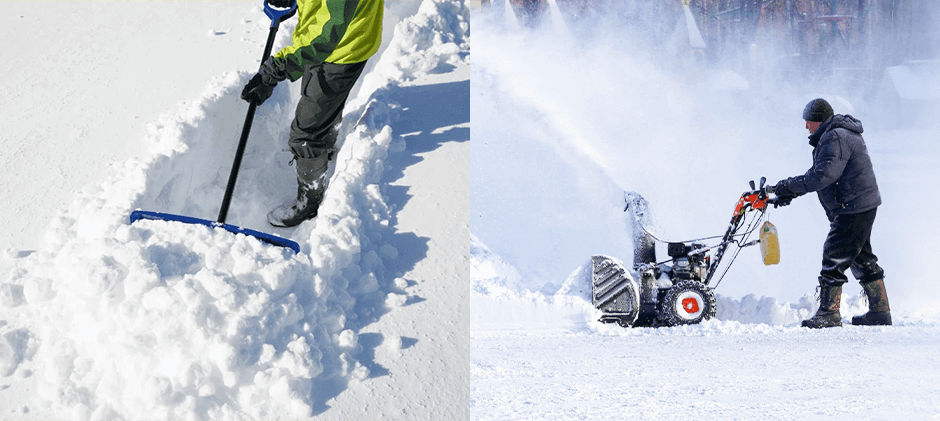
Best Snow Removal Equipment Options
There are many types of snow removal equipment. Like simple hand tools, there are powerful snowblowers and commercial plows, and so on. But what most people need is equipment that fits the size of their home, the type of local snowfall, and something they can easily operate themselves. The right equipment can make snow removal work smoothly.
Snow Thrower
A single-stage snow thrower represents the basic motorized choice available. It utilizes a moving auger (that paddle-shaped component) to gather snow and propel it through the discharge chute in a single step.
- Best for: Light, fluffy snow (usually up to 8-10 inches deep), paved spots like asphalt or concrete driveways, and small areas.
- Pros: They are lighter, smaller and simpler to maneuver than two-stage models. Many are available in battery-operated forms—requiring less maintenance, no gasoline or oil and producing less noise as well. Ideal for snow removal equipment, for elderly users or anyone looking to avoid strenuous effort.
- Cons: The auger touches the ground to pull the machine forward, so they’re not great for gravel or unpaved areas—they might pick up and hurl stones. They also struggle with heavy, wet, or packed snow.
Snow Blowers
Two-stage snow blowers are more powerful and reliable. It works in two steps. First, use the spiral knife in the front to roll the snow in, and then the high-speed impeller in the back to spray the snow out of the snow outlet at once. The range is much longer than that of a single-stage machine.
There is one more “accelerator” for the three-stage snow blower. This part will break the snow before it is sent to the impeller, so it will be more efficient and powerful in particularly difficult situations, such as heavy snow and ice ballast.
- Best For: Areas with heavy, frequent snowfall (12 inches or more), long or wide driveways, and all types of surfaces, including gravel.
- Pros: Most two-stage snowplows will move forward on their own. You just need to hold the handle and control the direction, which saves a lot of effort. Its sled can also be adjusted high and low so that the spiral knife will not scrape hard on unpaved ground.
- Cons: They are heavier, larger, and require more storage space. Gas-powered models also require regular maintenance, like oil changes and fresh fuel.
Snow Plow
If you have a particularly large yard, a long driveway, or you just want to clear the snow as quickly as possible, you can install a snow plow on your truck or ATV. It turns your vehicle straight into a powerful snowplow.
- Best For: Clear snow on a large scale, such as long driveways in the countryside, small parking lots, private roads and other places.
- Truck Plows: They are specially used for pickup trucks and can push snow quickly and frequently. There are several sizes and materials available; steel is the most durable, while polyethylene (Poly) is lighter, less rusty, and less likely to stick to snow.
- ATV/UTV Plows: If you have an ATV or UTV, a smaller plow is also a good option. It’s much more flexible than a truck and can easily handle winding driveways or paths around a house. It’s somewhere between a push snowplow and a truck shovel “middle gear”.
Although the initial investment is not small, the time and effort saved are really cost-effective. Push the snow with a plow, and you can finish an hour-long job on a push snowplow in minutes.
Other Supporting Tools
Even if you have a powerful snowplow at home, some simple hand tools are essential, especially when doing the finishing touches or encountering special circumstances.
- Ergonomic Snow Shovels: Say goodbye to flat-blade shovels that lead to discomfort. Modern ergonomic shovels feature curved handles that enhance posture, reducing the need to bend much. Pusher-style shovels are also great for clearing snow from patios and decks.
- Roof Rakes: Excessive snow build-up on your roof can result in ice dams, which force water to seep beneath your shingles and enter your house. A roof rake enables you to safely remove snow from the roof’s edge while remaining on the ground. Opt for lightweight aluminum versions featuring handles.
- Ice Scrapers and Choppers: When faced with densely packed ice that a blower or plow fails to remove, a robust ice chopper becomes essential. It fractures the ice, making it easier to shovel aside and helping to avoid slips and falls.
- Salt/Ice Melt Spreaders: Applying ice melt is crucial for safety. A walk-behind or handheld spreader ensures an even application across walkways and driveways, preventing refreezing and providing traction.
Matching Equipment to Your Situation
The recurring snow removal cost in 2025 can be significant, making a one-time equipment purchase a very cost-effective long-term solution. Having examined the choices, the main question still stands: which one suits you best? It’s simple to become overwhelmed by features and brand titles. The choice becomes clearer when you concentrate on your individual situation. To find your perfect match, consider these four key factors:
What Amount of Snow do You Usually receive?
This is the question. If you reside in a region that experiences occasional light snowfalls annually, a quality ergonomic shovel, along with an electric snow thrower, should be adequate. However, if you endure storms dropping a foot or more of dense wet snow, opting for a two-stage snow blower or even a snow plow is a far more practical and long-lasting solution.
What Space are You Clearing?
Consider both the dimensions and the type of surface. A brief paved driveway, for two cars, can be handled effortlessly with a single-stage thrower. Conversely, a 200-foot gravel driveway requires a two-stage blower equipped with skid shoes to prevent rock displacement. If you need to clear a parking lot or an extended rural road, a plow is the most practical choice.
How Much Physical Exertion are You Prepared to Invest?
Be truthful with yourself. If exertion from pushing and lifting worries you, focus on features designed to ease the task. Self-propelled snow blowers handle the motion on your behalf. Electric start buttons remove the hassle of pull cords. Although a plow requires a financial outlay, it nearly removes the physical effort entirely. Selecting tools that match your capabilities is essential for safety and preventing injury.
Where are You Going to Keep It?
A sizable gas-driven two-stage snow blower requires an area within a garage or shed. A plow demands room for the vehicle well as the separate plow during the off-season. On the other hand, numerous electric snow throwers are small, with some featuring foldable handles to simplify storage. Be sure not to ignore this consideration.
By carefully considering these points, you can move past the marketing noise and confidently select the equipment that truly fits your life and your property.
Making Your Equipment Last
Adequate maintenance guarantees that your machinery will ignite and operate when required most while also safeguarding your investment. Prior to the snowfall, we suggest completing a pre-season inspection list.
These are the things you ought to watch out for:
- Check Belts and Shear Pins: In a snow blower, belts power the auger and impeller. Worn belts may break when under stress. Shear pins are intended to break if the auger strikes an object, safeguarding the gearbox from harm. Keep snow blower components such as belts and shear pins readily available.
- Inspect Scraper Bars and Skid Shoes: The scraper bar is the blade located at the base of the snow blower housing that removes the layer of snow from the ground. When the scraper bar is worn out, it diminishes effectiveness. May lead to damage to the housing. On two-stage models, skid shoes raise the housing above the surface. Gradually wear out, particularly on rough terrain. Swapping these out is one of the methods to restore an old machine’s performance to like-new condition.
- Inspect the Plows’ Cutting Edge: The cutting edge is the vital wear component for a snow plow. It is the hardened steel or polyurethane strip located at the base of the blade that touches the ground directly. A worn or damaged cutting edge performs inadequately in clearing. It may cause costly damage to the plow blade itself. Using premium replacement snow plow parts is crucial for achieving outcomes.
- Replace the Oil. Utilize New Fuel: For gasoline engines, stale fuel is the leading reason for ignition issues. Start each season with fresh stabilized fuel. Changing the oil guarantees the engine is adequately lubricated for operation in the conditions.
- Test All Functions: Before you need it, start your machine. Check that the self-propel drive engages, the auger turns, and the chute control moves freely. A quick test run can reveal issues when they are easy to fix.
Your Partner for a Worry-Free Winter
Selecting the snow removal equipment for winter 2025 involves aligning the equipment with your particular requirements, emphasizing safety and user-friendliness. At FridayParts, we recognize that dependable performance is crucial. Therefore, we commit to offering a selection of premium, cost-effective aftermarket components for numerous equipment brands. When your snow blower needs a new scraper bar or your plow requires a new cutting edge, we are here to help you get the snow removal parts you need quickly and affordably, ensuring you’re always prepared for whatever winter throws your way.
