

Most homeowners pay about $45–$160 per visit to have someone come to clear the snow. There are also people who sign season contracts directly, and the price is generally $300–$1,000. Snow removal costs $10 to $25 per inch for the first 6 inches of snow, then $4 to $9 for each additional inch.
Prices will vary depending on where you live, where the snow is, and how you clear it. The cheapest scenario is a simple sprinkle of salt, which might solve the problem for $20. The most expensive is usually the snow to clear the roof, which is normally $190–$735, but can sometimes be particularly troublesome and can reach $3,000.
Average Snow Removal Cost in 2025
When preparing a snow removal budget, it is better to first know how professional snow removal is generally charged. There are two main ways to do this: charging per visit, or signing seasonal contracts. Nationwide, residential snow removal costs about $100 a time. Commercial properties are often more expensive for a single fee due to their large size and high equipment requirements. Let’s take a quick look at what these two charging methods are all about.
Cost Per Visit
When to get snow removed and when to pay for it. This method is flexible and is especially suitable for places where there is not much snow and the time is not very stable. Simply put, it is used once and paid once.
- Residential Snow Removal: Clearing standard driveways and sidewalks is generally $50~$150. Prices are lower when the snow is thin and easy to clear; if the snow is thick and difficult to handle, the cost will naturally be higher.
- Commercial Snow Removal: Small business parking lots typically run $100 to $400 per visit. If you’re dealing with bigger spaces—like corporate campuses or retail centers—costs go up a lot more.
- Per Square Foot Pricing: Some companies use this for extra-large commercial lots. You’ll pay $0.10 to $0.25 per square foot, which gives you a more accurate quote for big areas.
Cost Per Contract
A seasonal snow removal contract means you pay one flat fee for the entire winter. Most contracts include either unlimited visits or a set number of clearings—you’ll just pay extra if there are unusually heavy storms. This option takes the stress out of winter and can save you money if you live in an area with consistent heavy snowfall.
- For residential properties: A typical home’s seasonal contract costs between $350 and $700. This covers driveway and walkway clearing all winter long, no matter how many times it snows (as long as it’s within the contract terms).
- For commercial properties: Businesses usually pay $2,000 to $10,000+ for a seasonal contract. Price depends a lot on parking lot size, how many entrances/exits you have, and whether you need extra services like de-icing.
Think of a seasonal contract as winter snow insurance. You pay one flat fee, and the snow gets cleared every time it falls—no surprises. It takes all the guesswork out of budgeting for snow removal.
Snow Removal Cost by Location
Where you live has a huge impact on snow removal costs. Areas with lots of frequent snow and higher living costs will naturally charge more. Milder winter regions have lower demand, so prices are more competitive.
Different parts of the country have different weather, so snow removal needs vary too. For example, the heavy, wet snow in the Northeast needs stronger equipment than the light, powdery snow out West in the Mountain states. Below’s a breakdown of typical per-visit costs in U.S. cities to show you how prices differ by region.
- Northeast: Lots of people and heavy annual snow mean higher demand—and higher prices.
- Midwest: Winters here are harsh, but there’s a solid snow removal industry. That leads to competitive pricing with a wide range of options.
- West (Mountain States): Snowfall can be huge, but lower population density in some areas keeps prices moderate. Steep driveways and tough terrain, though, can bump costs up.
- South: Snow is rare here, so services are mostly for emergencies. Limited equipment means you might pay premium rates sometimes.
| Region | Major Cities | Price Per Visit (Residential) |
|---|---|---|
| Northeast | New York, NY; Philadelphia, PA; Hartford, CT | $60 – $250 |
| Midwest | Chicago, IL; Minneapolis, MN; Toledo, OH | $45 – $225 |
| West | Denver, CO; Salt Lake City, UT; Boise, ID | $30 – $180 |
| South | Nashville, TN; Raleigh, NC; Richmond, VA | $25 – $200 |
Cost by Removal Method
The tools used to clear your property directly impact the final price. A contractor with a large plow truck will finish a long driveway faster than someone with a snow blower, so labor costs change accordingly.
- Snow Plowing: $35–$95 per visit. It’s the fastest, most efficient option for large open spaces like driveways and parking lots. The minimum cost might be higher, but its speed makes it cost-effective for big jobs.
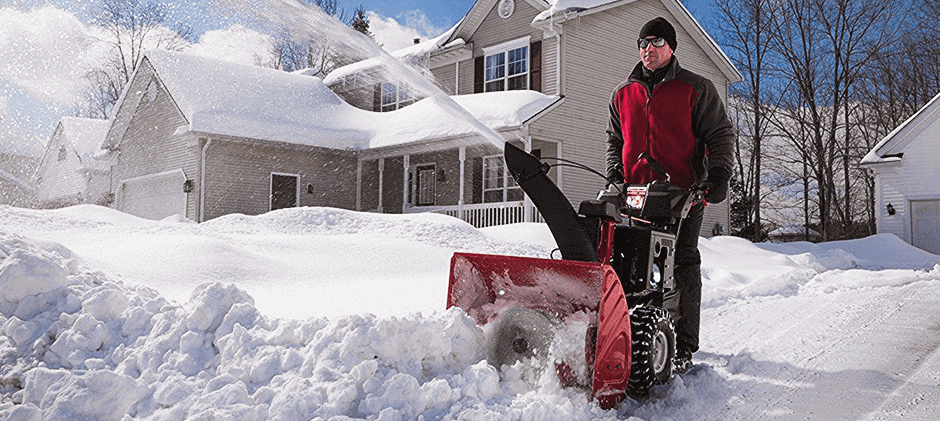
- Snow Blowing: $25–$75 per hour (hourly billing). Perfect for medium-sized areas, sidewalks, or spots where a big plow can’t fit. More precise than plowing, but slower.
- Snow Shoveling: Also $25–$75 per hour. It’s the most labor-intensive method. Necessary for stairs, tight corners, and decks—but it gets expensive for anything bigger than small jobs because it takes so long.
- Salt/De-icing: An add-on service, usually $20–$50 per application. It’s a key safety step to stop ice from forming on high-traffic areas after clearing.
Other Snow Removal Cost Factors
Beyond location and method, several other details can affect your quote.
Removal Area
- Driveway ($30–$70 per visit): Cost depends on how long/wide the driveway is, its slope, and what it’s made of. Gravel driveways usually cost more to clear—plow operators have to go easy so they don’t scrape up the gravel.
- Sidewalk ($25–$75 per hour): Many cities require homeowners to clear public sidewalks next to their property. It’s usually a quick job, but it adds to your total cost.
- Parking Lot ($45–$155 per hour): This is a commercial service, typically including plowing, de-icing, and sometimes hauling snow away.
- Roof ($190–$735 per visit): This is the most expensive and risky job out there. When heavy snow piles up on your roof, it can mess up the structure, so you definitely need pros to remove it. Cost depends on how big the roof is, its slope, and how much snow is sitting on it.
Snowfall Depth
The amount of snow is a primary cost driver. Most companies have a tiered pricing system. Generally, the base price covers the first 6 inches. After that, companies may add a surcharge of $4 to $9 for each additional inch.
| Inches of Snow | Cost Per Visit (Residential) |
|---|---|
| Up to 6″ | $65 – $110 |
| 6″ – 12″ | $105 – $165 |
| 12″ – 18″ | $130 – $250 |
Heated Systems
Want a permanent fix? Install heated mats or cables—they’ll stop snow and ice from building up entirely.
For a heated driveway, installation runs $9–$28 per square foot. Roof heating cables cost $500–$1,500 total. It’s a high upfront cost, but you’ll never have to pay for seasonal snow removal again.
Emergency Service
Wait until you’re snowed in during a bad storm to call for help? You’ll end up paying extra for fast, emergency service.
DIY Cost vs. Hiring a Professional
Doing snow removal yourself can indeed save money in the long run, but you have to spend money on equipment in the early stages and invest time and physical strength. Generally, it takes two or more snow seasons before you can get back the investment “earned” in buying equipment.
Let’s first look at the approximate cost difference: ask the professional team to sign a season contract, which is about $300~700. If you want to do it yourself, consider the cost of the equipment:
| DIY Equipment & Supplies | Cost |
|---|---|
| Snow Shovel | $20 – $115 |
| Snow Blower | $305 – $1,800+ |
| Snowplow Attachment (for ATV/Mower) | $300 – $3,000 |
| Roof Rake | $30 – $120 |
| Bag of Salt/De-icer | $10 – $30 |
Generally speaking, the biggest expense falls on buying a snowblower or snow plow attachment. But the cost is not limited to these. Daily maintenance, repairs, and replacement of snow removal parts are also included. Using durable aftermarket parts to maintain the equipment is a good way to save costs.
A Note on Safety: Nationwide hospital stats show snow removal leads to thousands of injuries every year—from pulled muscles and slips to serious heart issues.
Before you decide to DIY it, be real with yourself: How’s your physical shape? How much snow does your area usually get? And do you have the time to get the job done safely and right?
Wrapping Up
Expenses for snow removal in 2025 are influenced by elements, including the volume of snowfall, location, removal technique, and whether you opt for pay-per-use or quarterly invoicing. Being aware of these factors helps you budget precisely and select the most suitable snow removal approach for your needs.
If you’re doing snow removal yourself, whether you use a snow blower, snow plow, or snow thrower, FridayParts provides replacement parts. Choose the right accessories now and get your equipment ready for the next blizzard.
