

A late common-rail 5.9 with a G56 wins on long-term cost and simplicity. A deleted 3rd-gen 6.7 with a G56 wins on towing feel, exhaust braking, and low-rpm pull. But here’s the problem: the engine by itself won’t settle it. After 200,000 miles, the parts around it often count for more. Read on to see what actually separates a 5.9 vs. 6.7 Cummins.
Reliability Over 300,000 Miles
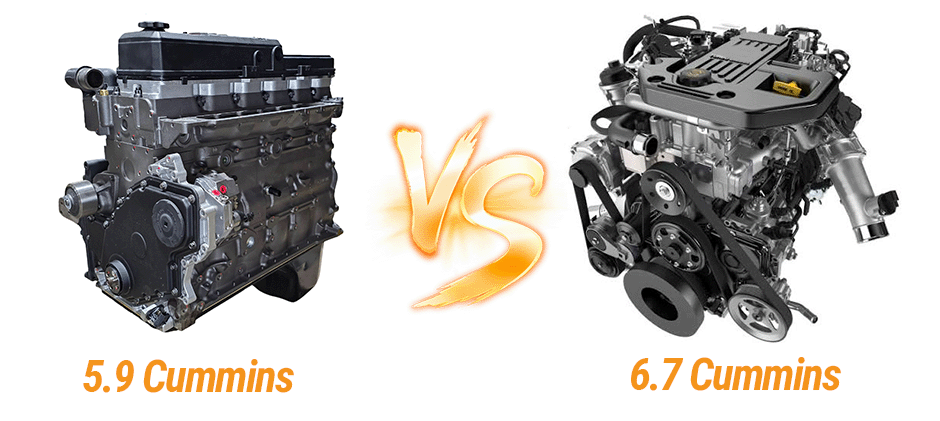
For pure long-term reliability, the 5.9 common rail still has the cleaner record. It has fewer emissions-related systems, a simpler turbo setup, and fewer electronic and airflow control parts to act up over time. In a real 5.9 vs. 6.7 Cummins reliability discussion, that simplicity is why the 5.9 remains so popular.
The deleted 6.7 closes the gap, but it does not erase it.
Why the 5.9 still has the edge:
- Fixed-geometry turbo is simpler and tends to be more durable
- No DPF concerns
- No EGR cleaning cycle to manage
- Fewer head gasket complaints under long towing use
- Easier diagnosis when drivability issues appear
Why the 6.7 still stays competitive:
- More than 40 percent of its internals carried over from the 5.9 family
- Strong block design and larger displacement
- Better low-end torque from the longer stroke
- Better airflow response from the VGT
Still, a deleted 6.7 can remain very dependable if the truck is sorted and serviced on time. The weak spots are just different. The VGT can stick due to soot and coking. Head gasket trouble shows up more often than on the 5.9, especially on trucks that tow hard for years. That is why regular checks of cooling system parts, the turbocharger, and engine gasket kits pay off on a long-haul 6.7.
Repair Cost And Parts Reality
Long-term ownership is not only about breakdowns. It is about what each repair costs in money, time, and downtime.
Here is the practical split:
| Topic | 5.9 Common Rail | Deleted 6.7 |
|---|---|---|
| Turbo Service | Usually cheaper and simpler | More complex due to VGT |
| Emissions Service | Minimal concern | Lower than stock 6.7, but related systems may still affect diagnosis |
| Head Gasket Risk | Lower | Higher |
| Injector Handling | Simpler cylinder-to-cylinder service | Injectors are tied more closely to ECM calibration |
| Shop Labor | Usually easier to diagnose | More systems to inspect |
| Long-Haul Ownership Cost | Often lower | Often higher |
The 6.7 common-rail system runs at slightly higher pressure and uses larger rail and injector lines than the 5.9. That helps performance, but it also adds cost when parts age out. The injectors also carry less flexibility in service than those on the 5.9.
For long service life, it makes sense to stay ahead of:
- fuel injectors
- lift pumps
- water pumps
- oil cooler components
- air intake parts
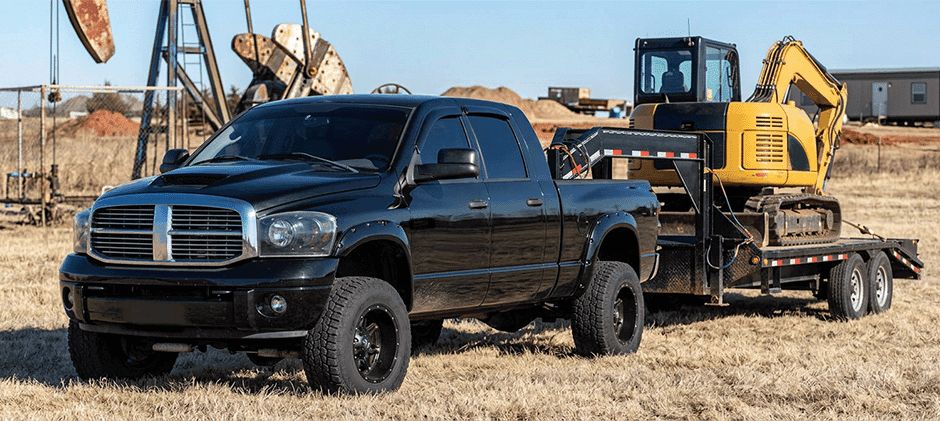
That matters even more when the truck supports trailers, skid steers, mini excavators, or farm attachments where downtime costs more than the repair itself.
G56 Pairing And Drivetrain Wear
The G56 is the same transmission family behind both engines, but the way each engine delivers torque changes how the drivetrain lives.
A stock or near-stock 5.9 plus G56 often ages better because the engine does not hit the clutch as hard at very low RPM. The 6.7 makes more torque sooner, and that extra low-end shove is great for towing, but it can shorten clutch life if the truck is worked hard or lugged often.
For the G56 transmission, 5.9 vs. 6.7, the usual pattern looks like this:
5.9 With G56
- Easier on the clutch in stock form
- Simpler match for long-mileage use
- Good for moderate towing and mixed work
- Less likely to expose drivetrain weakness with low-rpm torque
6.7 With G56
- Stronger launch under load
- Better for steep grades and heavier trailers
- More likely to wear clutch parts faster
- Higher chance of stressing the input side when tuned
If the truck spends more time dragging weight than cruising empty, the 6.7 will feel better. If the goal is to stretch service life with fewer major drivetrain repairs, the 5.9 pairing usually wins.
This is a good area to inspect clutch kits, flywheel parts, driveshaft components, and transmission service parts before making the switch.
Where Do 5.9 and 6.7 Cummins Each Make Sense?
A lot of the 5.9 vs 6.7 Cummins debate gets stuck on emotion. In real use, these trucks do different jobs better.
The 5.9 tends to appeal to anyone who values mechanical simplicity and lower ownership drag. It feels more basic because it is. The 6.7 feels newer, stronger down low, and more settled when towing at highway speed.
Where The 5.9 Makes More Sense
- Shorter work runs
- Simpler upkeep
- Older truck budget
- Easier field troubleshooting
- Better path for long-term modification freedom
Where The 6.7 Makes More Sense
- Frequent towing
- Better throttle response
- Exhaust brake use on grades
- More refined road manners
- Heavier trailer work
The 6.7 also benefits from its variable geometry turbo in daily driving. That quicker spool helps get moving with a load and helps control speed downhill with the exhaust brake. For machinery hauling, that is not a small detail.
On the fuel side, modern emissions equipment hurts the stock 6.7 efficiency and reliability. A deleted truck removes much of that pain point, but the 5.9 still keeps the advantage in overall simplicity. If searching for 5.9 vs 6.7 Cummins mpg, remember this: the engine is only part of the result. Cab size, axle ratio, tire size, trailer weight, and driving style often move the number more than the displacement difference.
Best Long-Term Choice By Ownership Goal
A long-term buyer should decide based on use first, then truck condition, then engine preference.
Use this quick guide:
| Ownership Goal | Better Choice |
|---|---|
| Lowest repair cost over very high miles | 5.9 common rail |
| Better towing and exhaust brake performance | Deleted 6.7 |
| Easier DIY diagnosis | 5.9 common rail |
| Better highway hauling manners | Deleted 6.7 |
| Longer clutch life with a G56 | 5.9 common rail |
| More low-end torque | 6.7 |
| Best used modern sweet spot | 2017 to 2022 6.7 trucks |
| Best older-school diesel feel | 2006 to 2007 5.9 trucks |
If choosing between a sorted, deleted 3rd gen 6.7 and a near-stock late 5.9 common rail, these checkpoints matter most:
- Compression and blow-by
- Turbo condition
- Cooling system health
- Clutch life remaining
- Front-end wear
- Service records
- Signs of hard tuning or heavy abuse
A clean history often beats the “better” engine. A neglected late 5.9 can cost more than a well-kept deleted 6.7 within the first year.
Final Words
The 5.9 common rail is usually the easier long-term engine to own, and the deleted 6.7 is usually the better tow rig. A clean, well-kept truck beats a rough one every time. When it is time to replace worn parts, FridayParts can help with aftermarket parts, reasonable costs, and wide compatibility for many equipment lines.
