

You might not believe it, but thick lubricants like engine oil or hydraulic oil can foam up—just like soapy water. But it really does happen. And what’s more, oil foaming can cause some serious problems. If you’ve ever seen foam on your dipstick or watched foam leak out of the breather, you’re in the right place. Why is my oil foaming? In this guide, we’ll tell you the common signs and causes of oil foaming. We’ll also show you how to correctly figure out the problem and fix it.
Symptoms of Foaming in Oil
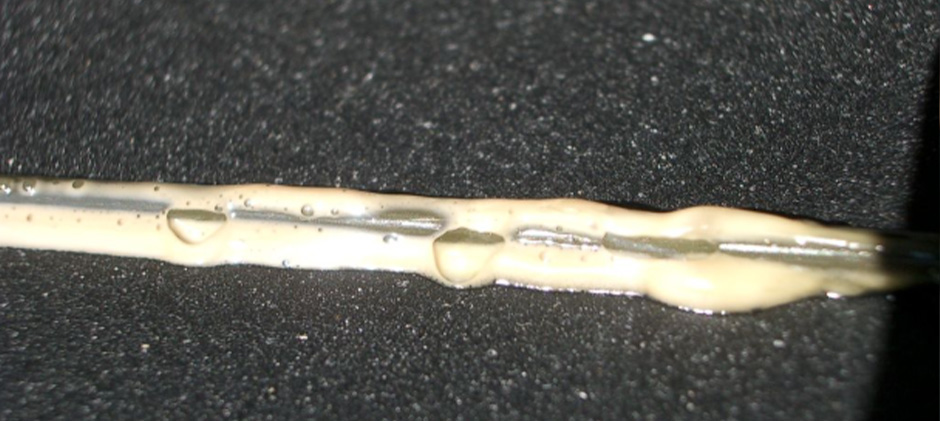
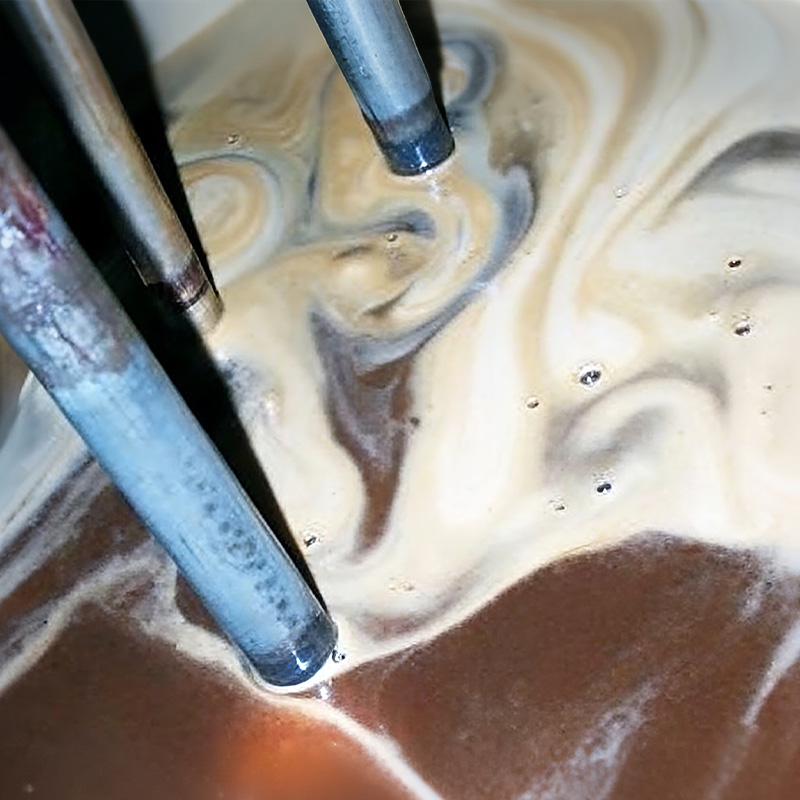
The most obvious is the foam on the surface of the oil. A layer of bubbles gathered together. In severe cases, the foam can become very thick and may even overflow from the vent, sight glass, or dipstick tube. Not only can it be found everywhere, but it may also pose safety risks.
But the foam you see is actually just a superficial phenomenon. It may also stick to the dipstick, making the oil level appear higher than it actually is and misleading you into thinking the oil level is fine. The real risk is that this air circulates through the system, slowly causing performance degradation and internal damage. Pay special attention to the following situations:
Slowing and Weakening of Hydraulic Action
On equipment such as excavators and backhoe loaders, air in the hydraulic fluid is compressible once it is mixed with air. The result is a slower, weaker boom and bucket movement, and even a stuttering feeling. Bulldozers or skid steer loaders can also appear underpowered when loaded.
Overheating
Foam acts like insulation. When the oil is full of bubbles, it cannot carry away the heat generated by bearings, clutches, and pistons. The temperature can easily rise and even reach dangerous levels.
Poor Lubrication and Accelerated Wear
Air bubbles have no lubricating effect. The foam oil circulating in the system will destroy the oil film that originally protected the metal, causing the metal to come into direct contact, thereby accelerating the wear of components such as gears, bearings, and pistons.
Pump Cavitation and Noise
If you hear a sharp whistling or grinding noise coming from a hydraulic pump, it’s likely cavitation. Simply, the bubbles burst instantly under high pressure and continue to “hit” the metal surface. Over time, they will damage the interior of the pump and even lead to premature pump failure.
Insufficient Oil Pressure
The oil pump is used to transport liquid, not foam. When a large amount of air is mixed in the oil, it is difficult for the oil pump to establish and maintain normal pressure. At this time, a low oil pressure alarm may appear on the instrument panel.
Key Reminders: Oil pumps where cavitation occurs are usually not the source of the problem but the “victim”. If you simply replace the pump but don’t find the real cause of the foaming oil, you’ll likely have to replace it again after a short time.
What Causes Oil Foaming?
To fix oil foaming for good, you need to know what’s causing it. Most of the time, it comes down to two things: contamination or mechanical/system issues.
Contamination
Contaminants act like tiny “landing spots” where air bubbles can form and stick around instead of disappearing.
- Water contamination: This is one of the most common causes in heavy equipment. Water can get in through worn seals, during pressure washing, or from condensation inside the tank. Even a small amount of water can make foaming much worse.
- Solid particles: Dirt, dust, and tiny metal particles from wear all give bubbles something to stick to. On dusty job sites, if the breather or seals aren’t working properly, these contaminants can easily get into the system.
- Wrong oil mixed in (cross-contamination): Adding engine oil into a hydraulic system (or the other way around) is a common mistake. Different oils use different additives, and when they mix, it can mess up the oil’s anti-foam performance.
- Grease contamination: If you over-grease around seals, extra grease can get pushed into the system. The thickener in grease can make foaming worse.
Mechanical and System Issues
Sometimes the oil itself is fine—the problem is how it’s moving through the system.
- Air leaks: This is a very common issue. If there’s a leak on the suction side of the pump (like a cracked hose or loose fitting), the system will pull in air.
- Wrong oil level: Both too much and too little oil can cause problems. Too much: rotating parts churn the oil and mix in air. Too little: the pump can suck in air from the surface
- Defoamer worn out: All oils have anti-foam additives, but they break down over time and heat. Also, if the filter is too fine (finer than recommended), it can sometimes remove these additives.
- Too much agitation: If the tank design isn’t great, or the return flow hits the oil surface too hard, it can stir the oil up and pull in air—kind of like splashing.
Oil Foaming Diagnosis and Testing
Step 1: Visual Check and Basics
- Check the oil level—but let the machine sit first so the foam can settle.
Look over all hoses, especially on the pump’s suction side. - Check for cracks, loose clamps, or wet spots that could mean a leak.
- Also check the breather and make sure it’s not clogged.
Step 2: Oil Analysis
If you don’t find anything obvious, the next step is an oil analysis.
Send a sample to a lab and tell them you’re dealing with a foaming issue. They can run tests to help find the cause. Here are the key ones:
- Water content: Shows if water is in the oil.
- Particle count: Checks for dirt and debris. The lab should remove air from the sample first—otherwise, bubbles can be counted as particles and give a false high result.
- Foam tendency and stability (ASTM D892): This test shows how easily the oil foams and how long the foam lasts. If both are high, it usually means contamination or an additive problem.
- Elemental analysis: Looks at the metals and chemicals in the oil. The lab can compare used oil to new oil. If they find elements that shouldn’t be there, it likely means the oil has been mixed with another type.
- FTIR (Fourier Transform Infrared): A more advanced test that can tell if different types of oil have been mixed.
How To Solve Oil Foaming?
Once you find the real cause, you can fix the problem the right way.
Fix the Root Cause First
Deal with the source of the problem before anything else.
- Water or dirt in the oil: Find where it’s coming from. Replace worn seals, clean or replace clogged breathers, and be careful with pressure washing.
- Air leak: Check hoses, fittings, and gaskets on the suction side. Fix or replace anything leaking.
- Wrong oil mixed in: Drain the system, flush it, and set up a better way to avoid mistakes (like color tags on fill ports).
- Mechanical issues: If it’s overfilled or the return oil is splashing too much, fix the oil level or improve the tank setup (like adding a baffle).
Change Oil and Filters Properly
After fixing the cause, you still need to get rid of the bad oil. If the contamination is serious, don’t just drain and refill. Flush the system to clean out lines, cylinders, and coolers. Then add new oil and a new filter.
Be Careful with Additives
Anti-foam additives can help in some cases, but only as a short-term fix. They can boost worn-out additives, but they won’t fix problems like air leaks. Adding too much can even make things worse.
When in doubt, check with your oil supplier or a technician before adding anything.
Conclusion
Proper maintenance helps prevent oil foaming. Stick to the maintenance schedule recommended by the manufacturer and replace worn or broken parts on time. You can buy seals, filters, or pumps from FridayParts — they’re reliable and fully compatible with your equipment. Operators should always use the right oil that matches the machine specs and keep the oil level correct for good system lubrication. If needed, installing an air‑oil separator also helps remove air from the system.
