

When the valve no longer seals properly against the valve seat, hot high-pressure exhaust gases blow through the gap. The valve can’t cool down, so it gets extremely hot locally. These scorching gases keep blasting the valve surface, and over time, they burn out the exhaust valve. If the engine has a burnt valve, some symptoms need attention.
What Is a Burnt Valve?
Inside the engine’s cylinder head, there are small valves that act just like gates to control air flow. Every cylinder normally has two kinds of valves:
- Intake valve: fresh air flows into the cylinder for combustion.
- Exhaust valve: hot exhaust gas escapes after the fuel burns.
When the valves close, they have to seal tightly against the valve seat. This locks all the high pressure and heat inside the cylinder during combustion.
A burnt valve forms when extreme heat damages the valve over time. The intense heat slowly wears and burns away the valve’s sealing edge. In serious cases, the valve can even crack or break off tiny pieces.
Once a valve no longer seals properly, cylinder compression starts leaking out. Low compression kills engine efficiency, causing rough idle, misfires, hard starting, and noticeable power loss.
Burnt valves almost always happen to exhaust valves, not intake valves. Because exhaust valves run far hotter. Intake valves stay cool from the fresh incoming air. Exhaust valves, however, are constantly hit with blazing hot exhaust gas — often over 1200°F (650°C). After long-term heat and mechanical stress, exhaust valves are way more likely to burn out.
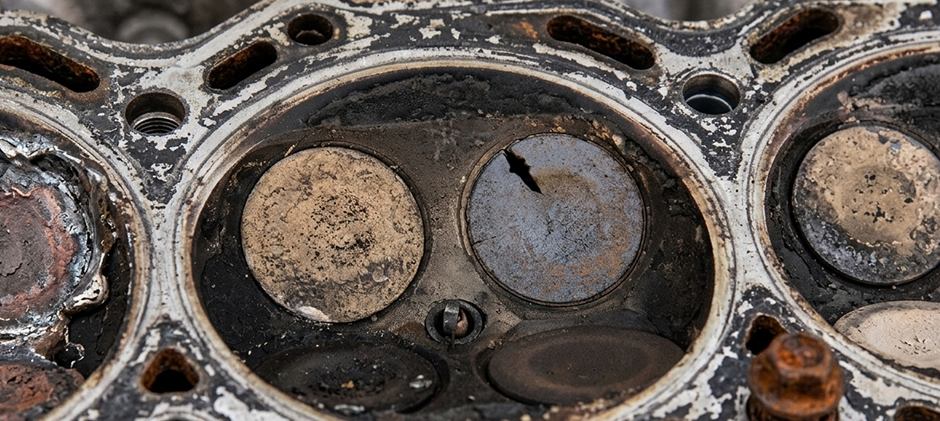
Symptoms of a Burnt Exhaust Valve
A burnt valve always gives clear warning signs. Other engine issues can cause similar symptoms, so you need to do a full check.
Rough Running and Engine Misfires
This is one of the most typical signs. A diesel engine runs smoothly with a proper air-fuel mix, accurate injection timing, and strong compression. A burnt valve kills compression in the affected cylinder. That cylinder can’t deliver enough power, making the engine run rough, shake, or misfire — especially at idle or under load.
Significant Loss of Power
Your excavator feels slow, your dozer can’t push normally, and your tractor struggles going uphill. This performance drop comes from lost compression. The engine still runs, but some cylinders don’t fire well, draining the machine’s torque and power.
When a valve doesn’t close tightly, it can’t release heat to the cylinder head. Instead of driving the piston, combustion pressure leaks past the damaged valve — and that’s pure lost power.
Difficulty Starting the Engine
An engine needs solid compression in every cylinder, especially in cold weather. A burnt valve lowers compression, making the engine hard to crank. It may spin longer before starting, or fire up right away then run rough.
Black or Blue Exhaust Smoke
This is a clear warning sign. A burnt valve causes smoke in two main ways:
- Black Smoke: Low compression leads to incomplete combustion. Unburned fuel flows out the exhaust and creates black smoke.
- Blue Smoke: Worn valve guides let oil seep down the valve stem into the combustion chamber. The burning oil creates blue smoke.
Increased Fuel Consumption
An inefficient engine has to work harder and burn more fuel just to maintain the same power. If your equipment uses more fuel than usual along with power loss, a burnt valve causing poor compression is likely to blame.
Popping or Backfiring Noises
You may hear popping sounds from the intake or exhaust. A burnt exhaust valve can’t seal properly, letting hot combustion gases leak back into the exhaust manifold. A damaged intake valve can also cause backfires through the intake system.
What Causes Burnt Exhaust Valves?
A burnt valve never happens on its own — it always comes from an underlying issue. The main cause is the valve fails to seal tightly against the valve seat in the cylinder head.
Engine Overheating
Working in dusty, tough conditions give heavy load on the cooling system.
- Cooling system issues: Like clogged radiator, faulty water pump, low coolant, or broken fan belt, they all make the engine overheat. High temperatures make exhaust valves easier to fail.
- Clogged coolant passages: Dirt and scale inside the cylinder head, the valve seats and stopping heat from dissipating properly.
Improper Valve Lash (Clearance)
Valve lash is the small gap between the rocker arm and valve stem. It lets the valve close all the way. If the gap is too tight or completely gone, the valve stays slightly open.
- Bad adjustment: When servicing the engine, if valves are set too tight, they can’t seal properly.
- Normal part wear: Over time, valve seats and valve faces wear down, pulling the valve deeper into the cylinder head and shrinking the gap. Without regular inspection and adjustment, the valve will end up staying partially open.
Carbon Deposits
Diesel engines, especially modern models with EGR, easily build up carbon.
- Carbon on valve seats: Hard carbon pieces can break loose and get stuck between the valve and seat, leaving a small leak. Even this tiny gap lets hot gas rush through and burn the valve over time.
- Carbon on valve stem: Carbon buildup on the valve stem makes it stick inside the guide, so the valve can’t close fast or seal tight.
Fuel System and Combustion Problems
Any factor that makes combustion run hotter than the engine is designed for can damage your valves.
- Bad Injectors: Leaking, clogged, or poorly spraying injectors mess up the fuel mix in the cylinder. This creates extreme heat that harms the valves.
- Wrong Injection Timing: If injection timing is too far advanced, cylinder pressure and temperature spike sharply, putting heavy strain on valves and pistons.
- Low-Quality Fuel: Bad diesel fuel burns incompletely and leaves far more carbon buildup inside the engine.
How to Fix a Burnt Valve?
Unfortunately, burned valves cannot be repaired and can only be replaced. This repair is quite labor-intensive and requires the cylinder head to be removed from the engine first.
1. Remove Cylinder Head
Disassemble the inlet and exhaust pipes, oil pipes and related accessories, remove the fixing bolts and remove the cylinder head.
2. Comprehensive Inspection
Put the cylinder head on the workbench and you can clearly see the burned-out valve. Professional repair shops will inspect the cylinder head as a whole to see if there are any cracks or deformation, and also check the valve guides and valve seats for wear.
3. Replacement and Repair
If you replace a bad valve with a new one, you will usually replace the valve oil seal as well.
The valve seat must also be re-cut and lapped to ensure a proper seal with the new valve; the valve guide tube must also be replaced if it is extremely worn.
The cylinder head sealing surface must also be checked for flatness and resurfaced if necessary, and only when it is reinstalled can it seal properly.
4. Solving the root cause
Only replacing the valve without finding the root cause means the new valve will burn out sooner or later. The reason must be identified: check the cooling system and injectors, and adjust the valve clearance to the standard value during installation.
5. Reassembly
The repaired cylinder head is installed with a new cylinder head gasket, then fitted back onto the engine, and the bolts are tightened according to the manufacturer’s specified torque sequence and torque value.
If an ordinary operator finds signs of a burned-out valve, don’t do it yourself, just go to a professional repair shop. The technician will handle diagnosis, disassembly and reassembly, and may also send the cylinder head to a machining workshop for repair. After proper repair, it will be more durable and the engine is less likely to have problems later.
Conclusion
Burnt or damaged valves cause engine misfires and rough running, and can even lead to permanent engine damage. You can buy high-quality, perfectly compatible intake and exhaust valves easily at FridayParts.
