

Running heavy equipment means you’ll see all sorts of warning lights—engine fault, hydraulic system, coolant temp, battery, and more. One of the most confusing ones is the triangle with an exclamation point in the middle. What does that triangle with an exclamation mark mean? This light’s basically saying something’s wrong with the machine, and you need to check it out and fix it right away.
What Does a Triangle With an Exclamation Point Mean?
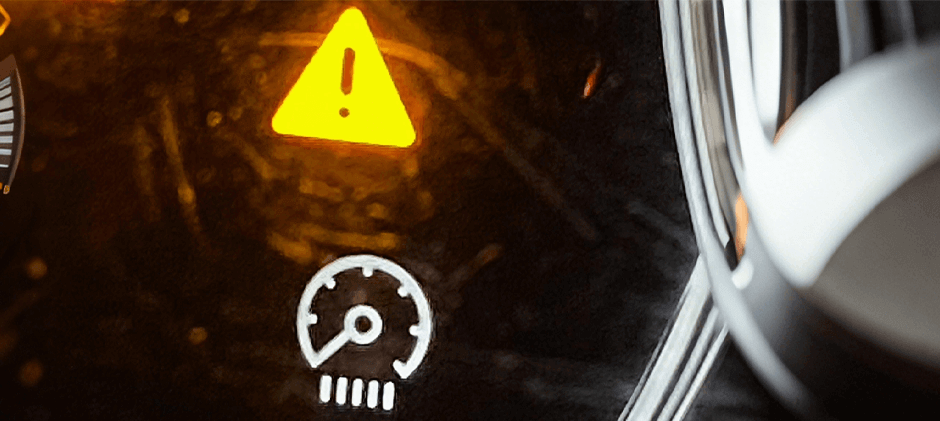
Nearly all modern off-road machines—excavators, wheel loaders and the like—have that triangle with an exclamation mark, and it’s the master warning light (or general warning light). It doesn’t tell you the exact problem, just that the machine’s monitor system has picked up an issue that needs you to check it out.
Think of it like the front desk of the machine’s diagnostic system. It gets your attention first, then passes you off to the specific alert for the problem. Almost every time this master light comes on, another more specific warning light on the dashboard will light up too, or a message will pop up on the machine’s digital screen. The master light is just to grab your eye, and the other light or message tells you exactly where the problem is.
The light’s color shows how serious the problem is. Different brands might do this a little different, but almost all machines use the same easy color rules:
- Yellow (or amber): This means a warning or a small system issue. It’s a reminder to check something soon, and you don’t usually have to turn the machine off right away.
- Red: This means a big problem or a safety risk. A red warning needs you to act fast—usually, stop the machine as soon as it’s safe to do so.
Yellow Triangle Light
If you see a yellow triangle warning light pop up, your machine’s sending you an early heads-up. It’s picked up something that’s not right with how the machine’s running, but it’s not an emergency that’ll break it right away. Don’t ignore it, though—lots of yellow warnings turn into serious red ones if you don’t fix the issue fast. Most of the time, though, you don’t have to shut the machine down the second the light comes on.
Why the Yellow Warning Light Turns On
- Time for routine service: Most new machines use this light to tell you a scheduled service is coming up—like after 250, 500 or 1000 hours of use. It’s a reminder to change the engine oil, replace filters, or perform other regular checks as outlined in the operator’s manual.
- DPF needs regenerating: Super common on machines with a Tier 4 Final engine. The DPF catches soot from the exhaust, and every so often it needs to burn that soot off (that’s called regeneration). The yellow light means the system needs to do this active regeneration. You might just need to park the machine and start the cycle by hand, or just keep running the engine at high RPM so it finishes on its own.
- Fluids are low (not critical): Super low engine oil or hydraulic fluid triggers a red light, but the yellow light pops up when a fluid’s just a bit below the “full” line—like coolant, windshield washer fluid, or even DEF (diesel exhaust fluid).
- Small electrical issues: Could be something simple, like a work light burned out, a beacon not working, or a sensor sending weird/on-and-off signals. The machine still runs fine, but a broken light is a safety risk on busy job sites, and a bad sensor can make the machine run worse or use more fuel.
- Fuel/hydraulic filter getting clogged: Before a filter is totally blocked (which triggers a red light and might shut the machine down), a pressure sensor picks up that it’s getting restricted. The yellow light is your warning to replace the filter soon before it causes a big problem.
Red Triangle Light
A red triangle with an exclamation mark is a whole different thing. It’s the machine’s fire alarm—means there’s a serious problem that could wreck major parts (and cost a lot to fix) or put you in immediate danger right away. When this light comes on, do only one thing: stop what you’re doing, move the machine to a safe spot, and shut off the engine right now.
Why the Red Warning Light Turns On
The problems that set off this red light all affect the machine’s most important core systems.
- Low engine oil pressure: Oil pressure keeps the metal engine parts from grinding together. No pressure, and the engine can blow up in minutes—even seconds.
- Engine/hydraulic system overheating bad: A yellow light is just a little too hot; a red light means it’s way past the danger line. This usually happens from low coolant, a clogged radiator or hydraulic cooler (super common on dusty job sites), a broken fan belt, or a bad water pump. Keep running it, and you’ll warp engine heads, lock up engine parts, or ruin hydraulic pumps and seals.
- Big hydraulic system failure: This could be a sudden huge drop in hydraulic pressure—like a burst hose or a dead pump. Not only will this wreck the whole hydraulic system, but you could lose control of the boom, stick, or other parts. That’s a massive safety risk.
- Serious brake system trouble: For machines with their own brake systems (like wheel loaders or haul trucks), this light means total loss of brake pressure—definitely stop immediately. For excavators, it could mean the swing brake or travel motor brake has failed.
- Major electrical system breakdown: This almost always means the alternator’s completely dead. When the alternator stops charging, the machine’s only running on the battery. It’ll keep going for a short time, then the battery dies—engine shuts off, and you lose all power and control of the machine.
Triangle with Exclamation Point Troubleshooting
When a warning light comes on, troubleshoot the issue by following these simple steps:
- Check and identify: Don’t just focus on the main warning light—keep an eye on other indicator lights or prompts. Are there icons for oil, temperature, or filters? The machine’s digital display is a big help; it’ll usually show fault codes or clear messages, such as “Low engine oil pressure” or “Regeneration required”.
- Refer to the operator’s manual: Symbols and fault code meanings vary a little by brand. Your machine’s operator’s manual clearly explains what each indicator light means—always keep the manual in the cab.
- Do a visual check safely: If the light indicates overheating or similar issues, check for obvious problems after the engine has cooled down. Are the radiator and oil cooler clogged with dirt? Is the fan belt on the engine broken? Is there a large leak of hydraulic fluid under the machine?
- Use a diagnostic scanner: If the problem isn’t easy to spot, connect a diagnostic scanner to the machine’s Electronic Control Module (ECM). This tool communicates directly with the machine’s control system, reads the exact fault codes, and lets you know exactly which sensor or system is faulty.
Can I Operate with a Yellow Triangle Warning Light?
It all depends on what the yellow light warns about. You’ll need to judge for yourself. If the yellow light’s on just ‘cause windshield washer fluid is low, you can keep working, no problem. It’s a reminder that an oil change is due in 10 hours; finish out your shift first. If it’s a reminder to change the oil in 10 hours, you can usually finish your current shift.
But don’t push it in some cases.
For example, if the light says the radiator is starting to clog, running the machine is risky—it could get totally blocked, turning the yellow light red and forcing the machine to shut down. Or if the light means the DPF needs regenerating, ignoring it will make the filter badly clogged. You’ll have to get a dealer to do a forced regen, or even replace the filter entirely, and the repair will cost a lot. Think of the yellow light as a heads-up. You can usually finish the urgent job you’re on first, but it’s also telling you to schedule a check or maintenance before starting the next task.
Conclusion
A red Master Warning Light means stop immediately. A yellow Master Warning Light means the machine needs to be checked. Once the display screen or operator’s manual helps you identify the issue, you’ll need reliable parts to fix it. That’s where we can help. FridayParts offers a wide range of high-quality aftermarket parts at competitive prices, so you can get your machine back up and running quickly without sacrificing quality.
