

Valves in an air compressor play a very important role. You can think of them as control points in the whole system. They manage how air flows in and out, help control pressure, and protect the machine when pressure gets too high. Without these valves, the compressor can easily fail and even become unsafe to use. In this post, we’ll take a simple look at some common air compressor valve types, what they do, and their main features.
What Are Air Compressor Valves?
Valves are simple mechanical parts that control air flow inside a compressor. Some let air in, some let it out, and others protect the system from damage.
Without working valves, the compressor can’t build pressure or run properly. Each valve has its own job, and if one fails, it can cause problems like air leaks or even make the whole system stop working.
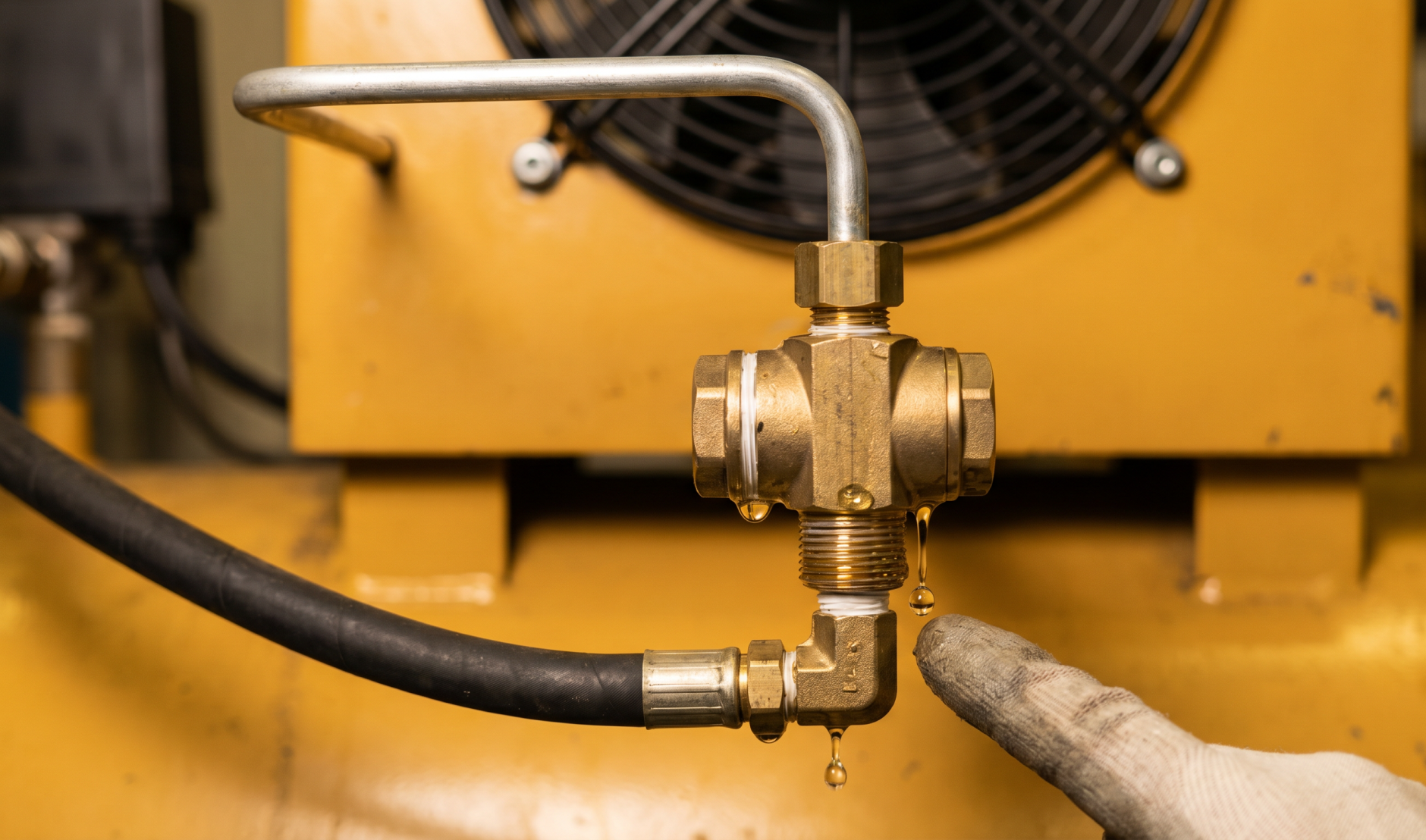
Common Air Compressor Valve Types
Air compressor valves are easiest to understand when you look at what they do and where they sit in the system.
Inlet Valve
The inlet valve is basically the “entry door” for air going into the compressor. It opens to let outside air into the compression chamber when the piston moves down (in a piston-type compressor) or when the screws rotate. Then it closes tightly so the air doesn’t flow back out.
- Function: It works like a one-way door. It opens when the pressure inside is lower than outside air, and closes when pressure changes.
- Location: It’s located at the air intake or suction side of the compressor.
- Common Types: A very common design is the reed valve. It uses thin metal strips that flex open and shut with pressure changes.
Once the air is pulled in, it gets compressed. After that, it needs a way to exit the system, which leads to the next valve.
Outlet Valve
Also called the discharge valve, this part acts like an exit door. It lets freshly compressed air flow out of the compression chamber to the air tank or your tools.
- Function: It keeps pressurized air trapped inside the chamber until the pressure hits its peak for each cycle. Once ready, the valve opens to release the air. Just like the inlet valve, it’s one-way. It stops high‑pressure air from flowing back into the compression chamber.
- Location: You’ll find the outlet valve on the discharge side of the compressor head.
- Common Types: Reed valves are widely used here. For heavy‑duty compressors, tougher plate valves or poppet valves are more common. They handle higher pressure and heat much better.
Unloader Valve
The unloader valve keeps your compressor running efficiently and protects the motor. Once the air tank hits max pressure, the motor shuts off. This valve releases leftover trapped pressure from the pump and pistons. That way, the motor doesn’t have to start up again while fighting heavy, high‑pressure air.
- Function: It bleeds extra pressure out of the compression chamber when the compressor is idling or not under load. This cuts down motor wear and saves power.
- Location: On reciprocating compressors, it’s usually mounted on the cylinder head. For rotary screw models, it sits in the discharge line.
- Common Types: Unloader valves come in mechanical or electric styles. Mechanical versions work automatically based on air pressure. Electric solenoid valves connect to the compressor’s pressure switch for more accurate control.
You may hear a slight hiss right after the compressor turns off. That’s normal as the unloader valve vents leftover head pressure. But if the hissing won’t stop after a few seconds, it usually means the unloader valve or check valve is broken.
Control Valve
Unlike simple on/off valves, a control valve is used to fine-tune the system. It adjusts how much air flows out of the compressor and helps keep pressure steady, so your tools or equipment get a consistent air supply.
- Function: It works like a faucet. You can “turn it up or down” to control airflow and pressure. This helps avoid sudden pressure spikes or drops that could hurt downstream equipment.
- Location: Control valves are usually installed in the discharge line between the compressor and the air tank. In some systems, they can also be found on the inlet side to help control compressor output.
Check Valve (Non-Return Valve)
A check valve is a simple but critical safety part. It only lets air flow one way and stops backflow completely.
- Function: It keeps high‑pressure air in the air tank from flowing back into the compressor head after the machine shuts off. Without it, reverse air can damage the unit and make the motor hard to start.
- Location: The main check valve sits between the compressor pump and air tank. Extra check valves may also be installed after dryers or filters to stop dirt and moisture from flowing backward.
- Common Types: The most common types are swing, piston, and ball check valves. All use basic internal parts to block reverse airflow.
Shutoff Valves
Just like the name says, shutoff valves fully cut off compressed air flow. They don’t adjust airflow—they simply lock off sections of the air system.
- Function: They let you safely do maintenance and repairs, or isolate one section of air lines, without turning off the whole compressor.
- Location: You’ll see them at the compressor inlet and outlet, along main air lines, and on air tank connections.
- Common Types: Ball valves are the top choice for shutoff use. They’re tough, long-lasting, and you can easily tell at a glance if they’re open or closed.
Drain Valve
Compressed air always carries moisture. When the air cools down, that moisture turns into water. The drain valve is used to get rid of it.
- Function: It drains water (condensate) from the bottom of the air tank. If you don’t drain it, the tank can rust inside, and water can also get into your air tools and cause damage.
- Location: It’s usually located at the very bottom of the air receiver tank.
- Common types: Some are manual—you open them by hand. Others are automatic and release water on a timer or when they detect a certain level.
Pressure Relief Valve
The pressure relief valve is one of the most important safety parts on a compressor. It protects the system if pressure gets too high.
- Function: If the pressure switch fails and the compressor doesn’t shut off, this valve opens automatically and releases extra pressure. This helps prevent the tank from over-pressurizing or even bursting.
- Location: It’s always installed on the air receiver tank, and sometimes also on the discharge line.
- Common types: Most are spring-loaded valves. They stay closed under normal pressure and “pop open” when pressure goes above a safe limit.
Common Air Compressor Valve Problems
Compressor valves take a lot of abuse every day. They deal with nonstop pressure shifts, heavy vibration, and dirty, harmful debris. Here are the most common issues you’ll run into:
- Air Leaks: Worn seals or cracked valve bodies create air leaks and a clear hissing sound. This keeps the compressor from building up full pressure.
- Sticky Valves: Oil, dirt, and rust can jam valves open or shut. If an inlet valve sticks open, pressure can’t build up. A stuck closed outlet valve causes dangerous pressure spikes inside the cylinder.
- Corrosion Damage: Condensation and moisture quickly rust metal valves. Corrosion weakens parts, ruins the seal, and slowly breaks the valve down over time.
- General Wear: Valves open and close nonstop, especially reed valves. This constant movement wears them out and causes metal fatigue. Eventually, they crack or break and need to be replaced right away.
How to Choose the Right Valve?
Picking the right replacement valve makes a huge difference for your compressor’s safety and performance. Keep these key points in mind when you shop:
- Equipment Type: Valves for small piston compressors aren’t built to handle the steady running and airflow of large rotary screw units. Always choose a valve that fits your exact compressor model and style.
- Pressure Rating: Make sure the new valve can handle your compressor’s max working pressure. Never install a valve with a lower pressure rating than the original one—this is extra important for pressure relief valves.
- Strong, Long-Lasting Materials: Work sites mean heavy vibration, dust, and big temperature changes. Go for tough valve materials: stainless steel fights corrosion well, brass is durable and widely used, and cast iron is sturdy but prone to rust without proper upkeep.
- Resistance to Dirt and Moisture: Compressed air always has some dirt, oil, and moisture in it. Pick valves that hold up in these harsh conditions and won’t easily get stuck from grime buildup.
- Quieter Operation: Certain control and unloader valves run loud. If people work close to your machine, choose valves with built-in silencers to cut down operating noise.
- Full System Compatibility: Don’t only check thread size. Double-check every detail: match the voltage and plug type for electric valves, and confirm CFM flow rate and port size for mechanical valves, so everything fits and works properly.
Conclusion
Once you know what each compressor valve does and how to spot common failure signs, you can fix problems fast and accurately.
Shop high-quality air compressor parts at FridayParts. We have parts that perfectly match your machine’s pressure rating, model and working conditions. With these simple tips and know-how, you can cut down equipment downtime and keep your compressor running reliably.
