

If an X790 is used for mowing, towing, snow work, or hauling on acreage, the difference between “runs fine” and “always ready” usually comes down to two things: keeping wear items on schedule and finding the right replacement parts fast. This guide is built to sit next to your John Deere X790 specs section (which you’ll add) and help with the practical questions owners ask most—maintenance priorities, common problems, and a clean path to parts lookup.
About John Deere 790
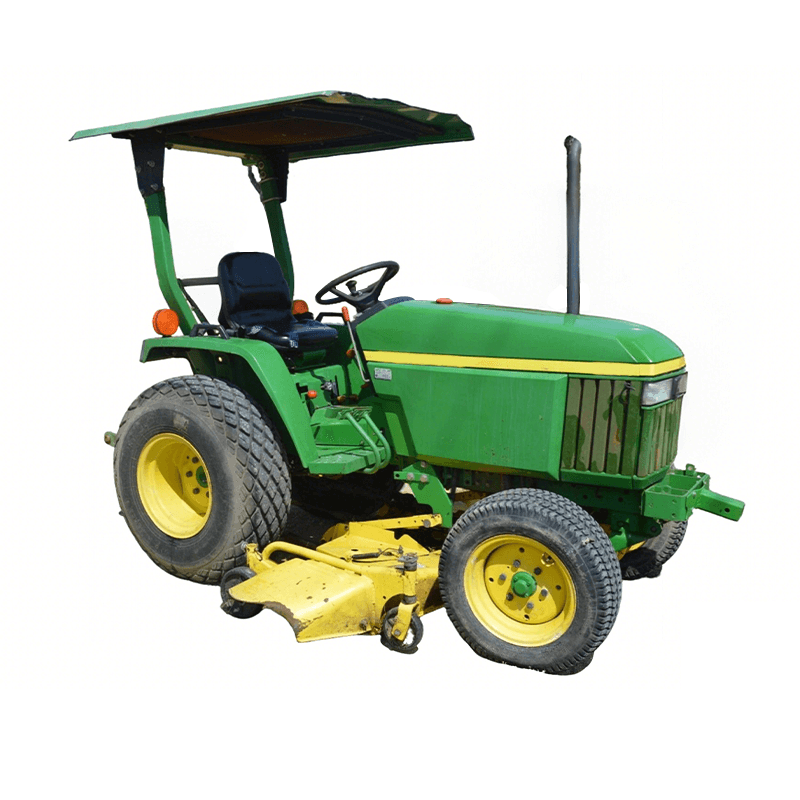
Note: The title targets X790 (an X700-series lawn/garden tractor). Some owners also search “790,” meaning the compact utility tractor model “790.” To keep this article useful, the points below stay focused on X790/X700-style ownership needs: mowing, PTO-driven attachments, and property work.
- Best fit for: acreage owners who need a heavy-duty lawn/garden platform for repeated work (mowing, towing carts, snow attachments, light grading with the right implements).
- What matters most in real life: stable belt drive to the deck/PTO, clean cooling airflow, good battery/charging health, and tight steering/suspension points.
- Parts reality: the same “X790” label can still hide variations by year and configuration. The fastest way to avoid wrong parts is to confirm the serial/model info and match by part number when possible.
Downtime pattern: most stoppages come from small consumables (filters, belts, blades, battery, switches, spindles) rather than major assemblies—so stocking the basics pays off.
John Deere 790 Specs
Engine Detail
| Yanmar 3TNE82 diesel 3-cylinder liquid-cooled |
– |
|---|---|
| Displacement | 81.13 ci 1.3 L |
| Bore/Stroke | 3.23×3.31 inches 82 x 84 mm |
| Power (gross) | 27 hp 20.1 kW |
| Air cleaner | dry type with safety element |
| Compression | 18.5:1 |
| Rated RPM | 2600 |
| Idle RPM | 1000-2810 |
| Starter volts | 12 |
| Coolant capacity | 5 qts 4.7 L |
Transmission
| Type | unsynchronized |
|---|---|
| Gears | 8 forward and 2 reverse |
| Oil capacity | 6 qts 15.1 L |
| Oil type | Low Viscosity HY-Gard |
John Deere 790 Tires
| Ag front | 6.00-12 (early) |
|---|---|
| 5.00-15 (2WD) | |
| 7.00-14 (4WD) | |
| Ag rear | 12.4-16 (early) |
| 11.2-24 | |
| Lawn/turf front | 25×8.50-14 |
| Lawn/turf rear | 13.6-16 |
| Industrial front | 25×8.50-14 |
| Industrial rear | 15.0-19.6 |
Source from: www.tractordata.com
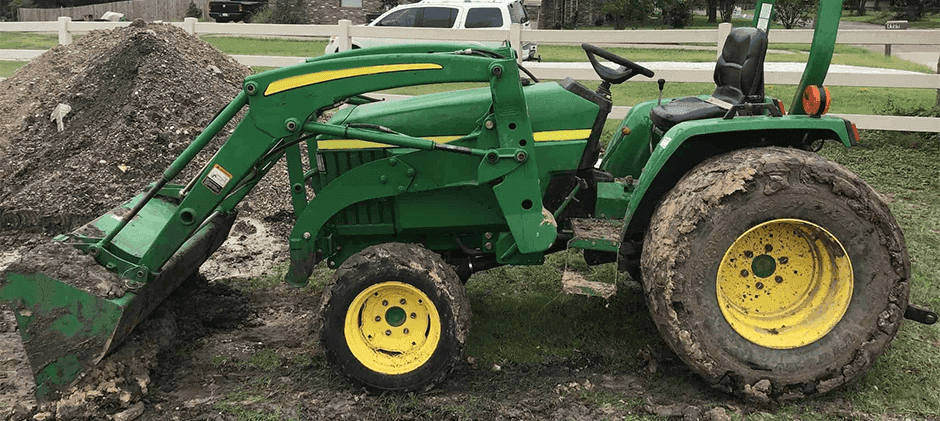
Related John Deere 790 Parts
Maintenance Tips for John Deere 790
Maintenance for an X790-style machine is less about “one big service” and more about a tight routine. The goal is to protect the engine, keep airflow clean, and keep the belt-and-PTO system running without slip.
1) Build a simple “before each job” check
These take minutes and prevent most surprise failures:
- Walk-around: look for fuel/oil seepage and loose fasteners
- Check coolant/airflow area (debris packed into screens is common on dusty property work)
- Inspect tires for damage and low pressure
- Quick listen test at idle: any new squeal, chirp, or grinding near the belt path should be treated early
2) Keep the cooling system and air path clean
Mowing and leaf work can quickly clog screens and fins. When airflow drops, engine temps rise, and belts can run hotter than they should.
What to do
- Clear grass buildup from screens after mowing sessions
- Don’t ignore small temp increases—heat is a “multiplier” that speeds up rubber belt aging and bearing wear
3) Treat belts, pulleys, and tensioners as one system
A common owner mistake is swapping only the belt, then wondering why the new belt squeals or wears fast.
Good practice
- Inspect belt condition (glazing, cracks, frayed edges)
- Check pulley alignment and bearing smoothness
- Make sure the tensioner (if equipped) holds steady pressure and doesn’t bounce under load
“If the belt is failing early, the problem is often not the belt.”
4) Follow a simple service-hour rhythm
Exact intervals vary by model/year and workload, but most owners do well with a repeating rhythm: after break-in, then every 50/100 hours, and a full seasonal check. If the machine runs in dusty conditions, high heat, or heavy mowing, shorten the interval.
5) Use parts lookup that matches how you actually work
When you’re trying to finish a job, you don’t want to search five places for compatible parts. Keep two bookmarks:
- John Deere tractor parts for tractor-focused replacement categories and common maintenance items.
- John Deere parts for a broader brand catalog view across equipment types (useful when you also maintain other John Deere machines on the property).
Maintenance planning table
| Maintenance item | When to check | What to look for | Parts commonly needed |
|---|---|---|---|
| Engine oil & filter | Scheduled hours / seasonal | dark/thin oil, metal sheen, leaks | oil filter, drain plug seal |
| Air intake/filter | Often in dusty mowing | dirty restriction, torn media | air filter, pre-cleaner parts |
| Battery & charging | Monthly / before winter | slow crank, corroded terminals | battery, cables, key switch parts |
| Belts & belt path | Every few uses in mowing season | glazing, cracks, edge fray, squeal | belts, idlers/tensioner parts |
| PTO/deck drive components | Seasonal / if cut quality drops | vibration, uneven cut, burnt smell | spindles, pulleys, blades, hardware |
| Steering & chassis points | Seasonal | looseness, uneven tire wear | bushings, bearings, steering joints |
Conclusion
An X790 earns its keep when maintenance is simple, and parts are easy to match. Keep cooling airflow clean, treat belts and pulleys as a system, and address early symptoms (noise, vibration, belt dust) before they turn into downtime. For repairs, FridayParts supports owners as an aftermarket parts supplier with high-quality products at affordable prices, a vast inventory, and wide compatibility across many heavy equipment brands—making John Deere parts lookup and ordering faster when it matters.
