

Got insufficient diesel to keep up with the engine’s demands? This is the result of a failure in your diesel fuel pump. You may think it a complex repair task. In reality, anyone with attention to detail, basic mechanical skills, and the right tools could make it. In this guide, you will learn how to replace the diesel fuel pump yourself, restoring your machine to its optimal performance. Replacing a diesel fuel pump may vary for each piece of construction equipment, but these basic steps can serve as a good starting point for someone preparing to replace it.

What is a diesel fuel pump? And how it works?
A diesel fuel pump is a crucial component in a diesel engine. Typically, it is located in the fuel system, above the engine, and connected to the fuel tank through fuel lines. Its main function is to inject fuel into the engine’s cylinders at the right time, and pressure to facilitate combustion and generate power.
The diesel fuel pump plays a crucial role in the operation of a diesel engine. It draws diesel fuel from the fuel tank and pressurizes it, facilitating its delivery to the fuel injectors or nozzles. Working in conjunction with the injectors, the fuel is meticulously atomized into minuscule particles, resulting in the formation of a fine mist. Subsequently, this mist of fuel combines with compressed air within the combustion chambers of each cylinder. Once the mixture is ignited, the fuel-air mixture undergoes combustion, generating the power necessary to propel and drive the engine forward.
If the diesel fuel pump malfunctions or fails to provide an adequate amount of fuel, it can reduce engine performance and fuel efficiency. Meanwhile, it brings difficulties in starting the engine. Therefore, to ensure the proper functioning of a diesel engine, it is a good idea to maintain your fuel pump regularly and replace it when necessary.
Here’s what you care about.
When to replace a fuel pump?
Diesel fuel pumps in construction equipment are built to withstand demanding conditions, but they don’t last forever. According to most manufacturers, a diesel fuel pump should be replaced between 3,000 and 10,000 hours under normal operating conditions, depending on the machine types, models and real use. However, operating in dusty environments, using low-quality fuel, or running the machine under consistently heavy loads can significantly shorten this lifespan.
The recommended fuel pump replacement intervals are for your reference. But if you find the following signs, you should replace your diesel fuel pump with a new one:
- Fuel leakage
- Insufficient fuel supply
- Abnormal noises from the fuel pump, such as whining or excessive buzzing sounds
- Usage time and mileage
- Consistently low or inconsistent fuel pressure
Maintenance and replacement intervals for the fuel pump vary based on supplier suggestions and machine models. Importantly, please adhere to these guidelines to ensure optimal performance and longevity.
Preparations and tips for replacing
- Get the correct tools and parts (ensuring they are the correct parts) before repair or replacement tasks.
- Carefully inspect the equipment’s condition to ensure a smooth completion of the task.
- Open the drain valve of the fuel system, or use a specialized fuel drainage tool to empty the diesel from the fuel system. This tip can reduce fuel leakage and minimize contamination risks during the work process.
- Park equipment on a flat surface and secure it with the handbrake and wheel-locking devices.
- Ensure the engine is fully cooled down and all relevant power sources are turned off.
- Refer to the relevant manual or guide to ensure the correct and safe completion of the fuel pump replacement.
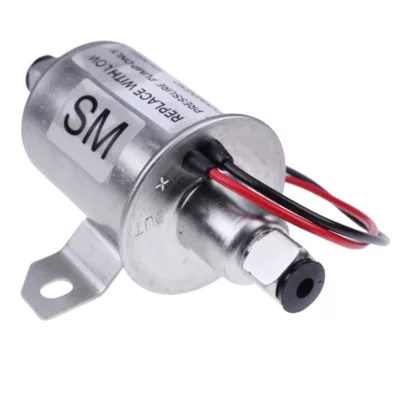
How can I replace a diesel fuel pump myself?
Here are the general steps for your reference to finish the task:
Locating them: You might need to remove additional components or covers, depending on the vehicle layout and pump location. This may require using the appropriate tool, such as a wrench or screwdriver.
Disconnect fuel line: Before replacing, the fuel line connected to the fuel pump must be disconnected. Fuel line clamps are often required to prevent fuel leaks. Prior to disconnecting the lines, make sure to mark the position of each line for accurate reconnection during reinstalling.
Disassemble it: Using an appropriate tool, remove the mounting bolts or nuts carefully.
Install a new one: Properly install the new fuel pump in its original position, ensuring alignment with relevant components, and securely tighten the fixing bolts or nuts.
Connect Fuel Lines: Reconnect the fuel lines, making sure each line is properly connected. Make sure you are using the correct connections and seals, and use hose clamps as needed.
Carry out a functional test: After the replacement, check that all connection points and lines are installed correctly. Refill the diesel and make sure there are no leaks in the fuel system. Start the engine and check the fuel pump for proper operation and fuel supply. Watch for any unusual noises or trouble codes.
Final words to say
A diesel fuel pump is essential for fuel efficiency and equipment performance. If you get a failing fuel pump, you can follow this guide to replace it yourself. Please check the engine light after the diesel fuel pump replacement. Incorrect connection of wires or other sensors may cause the engine light to come on. Thus, you may need to ask the professionals for help.
