

Engines need coolant to stay at the right working temperature. If your coolant level keeps dropping yet you can’t find any leaks, and the temperature gauge stays normal with no overheating signs, what should you do? This issue usually means there’s something wrong inside the engine. Let’s check what causes losing coolant with no leak and no overheating.
Does Coolant Evaporate?
Your heavy machinery’s coolant won’t just evaporate during regular use. The whole cooling system is fully sealed and under pressure. It lets coolant flow around to take heat away from the engine. Coolant is half antifreeze and half water. It boils at a high temperature, and system pressure makes it even harder to boil. So if the coolant level goes down, it must be leaking out somewhere. It’s just hard to find.
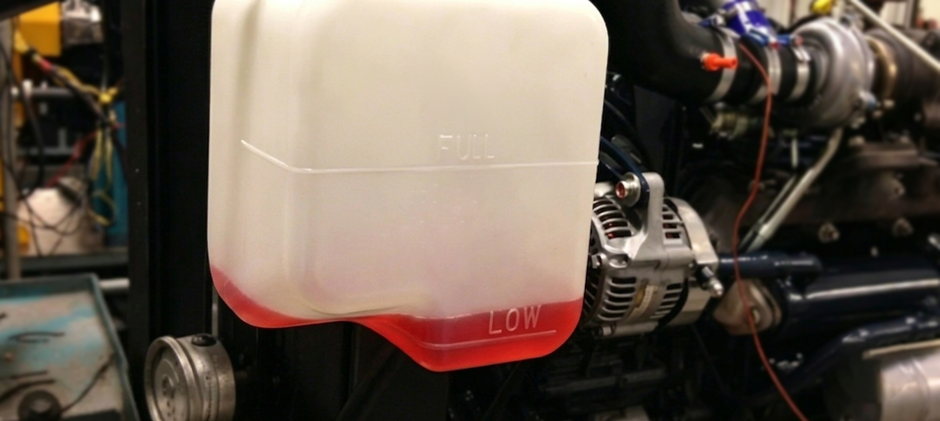
Why Is the Level Low but There’s No Visible Leak?
If coolant keeps disappearing with no sign, it mainly leaks in two ways: tiny outer leaks, or inner leaks that get burned inside the engine.
1. Hidden Outside Leaks
This is the most common reason. The leak is too small or sits in super hot spots, so coolant evaporates right away before it can drip down.
Bad radiator cap
It’s not just a simple cover, it works like an important valve to keep steady pressure in the cooling system. If its inner spring gets weak or rubber seals wear out, it can’t hold pressure anymore. When the engine heats up, hot coolant turns into steam and escapes through the cap. You won’t see any liquid puddles. Changing this cap is cheap and easy for early troubleshooting.
Tiny cracks and slow seepage
The cooling system has lots of joints and parts. Small holes on the radiator, fine cracks on the expansion tank, or loose hose clamps all cause leaks. Diesel engines run extremely hot, so leaked coolant dries up instantly.
You can check for clues: white, pink or green crusty marks around hoses, water pump and radiator. Those are dried antifreeze leftovers.
2. The Hidden Internal Leaks
This is a much more serious issue. Coolant gets into wrong places inside the engine, mixing with engine oil or flowing into combustion chambers.
Blown Head Gasket
The head gasket sits between the engine block and cylinder head, keeping oil, fuel and coolant separate. Heavy-duty diesel engines work under extreme heat and pressure, so this gasket can easily wear out and break.
Once it fails, coolant flows straight into cylinders and burns along with fuel, then comes out of the exhaust as steam. That’s why you keep seeing sweet-smelling white smoke from the exhaust even after the engine warms up fully.
Cracked Cylinder Head or Engine Block
This problem is not that common. Serious engine overheating or factory defects can crack these metal parts. Coolant leaks into oil or combustion areas, and it shows almost the same symptoms as a bad head gasket.
Leaking Heater Core
Most modern enclosed cab work machines come with heaters. There is a small radiator inside the dashboard that uses hot engine coolant to make warm air.
If it leaks, coolant flows right into the cab. You will smell sweet antifreeze inside, your windshield fogs up easily, and the floor mats inside stay damp all the time.
Why Is My Coolant Disappearing but Not Overheating?
This is what confuses most machine owners. If coolant keeps dropping, why doesn’t the engine overheat? Actually it doesn’t always happen, and here’s why.
Heavy machinery has really tough cooling systems with plenty of spare cooling capacity. Losing coolant little by little won’t affect normal or light-duty use, so the temperature needle stays steady.
But this makes you feel safe for no reason. The fault is still there, and it will break down when you need the machine most. For example going uphill, running full hydraulic power in hot weather or carrying heavy loads. Once working under heavy strain, not enough coolant can’t cool the engine well, and the temperature will shoot up fast.
Besides, leaking coolant lets air get into the cooling system. If big air bubbles get stuck near the temperature sensor, it only detects hot air instead of real coolant temperature. It shows normal readings, while other engine parts are already getting dangerously hot.
What to Do If Your Coolant Keeps Disappearing
No need to worry. Just follow these easy steps to find out where your coolant is going.
1. Do Basic Checks First (Make Sure Engine Is Cold)
- Check the radiator cap: Take it off and see if the rubber seal is cracked, stiff or worn flat. Also check if the spring inside is loose. When in doubt, just swap it for a new one — it’s cheap and easy to fix.
- Check hoses and clamps: Squeeze the main cooling hoses. If they feel too hard or soft, they’re worn out. Also check all joints for that white crusty leftover we talked about before.
- Check engine oil: Pull out the oil dipstick. Normal oil is dark and clean. If it looks cloudy, foamy or like mixed milk, coolant is leaking inside the engine.
- Check exhaust smoke: After the engine warms up fully, watch the exhaust. Constant sweet-smelling white smoke means there’s an internal leak.
2. Get Professional Tests Done
If you can’t find the issue yourself, ask a mechanic to run these tests.
- Cooling system pressure test: This is the best way to spot hidden outer leaks. Workers use a special tool to pump pressure into the cooling system. Even tiny leaks will show up clearly.
- Engine block leak test: This test checks for broken head gaskets. It uses special liquid to test air from the radiator. If the liquid changes color, it proves gas is mixing with coolant inside the engine.
Wrapping Up
If you have to top up coolant every few months because the level keeps dropping, it’s time to check your cooling system right away. This fluid loss will only get worse over time. Ignore it, and you’ll end up with engine overheating, blown head gaskets or even serious engine breakdowns.
Your machine may not overheat yet, but low coolant already cuts down cooling performance. Grab reliable replacement water pumps, radiators, hoses and more at FridayParts to get your equipment back in good shape fast.
