

A rapid transformation is in full swing across the construction and heavy equipment sectors. Rising construction costs, tighter timelines, labor shortages, stricter regulations and technology-related challenges are pushing heavy equipment practitioners to operate smarter and more efficiently. This article will talk about the key construction equipment challenges and how contractors or fleet owners can weather the storm.
5 Key Challenges Facing Construction Equipment Industry
Supply Chain Volatility & Rising Production Costs
Economic uncertainty is one of the major challenges facing the construction equipment market. World market volatility, driven by inflation, increasing interest rates and geopolitical tensions, brings about uncertainties to both equipment manufacturers and buyers. Besides, the supply chain disruptions have added economic pressure. Global events such as pandemics and trade wars have given rise to the lack of critical parts like steel, hydraulic pumps, filtration systems and undercarriage components. This shortage drives up the production costs, disrupts equipment delivery timelines and forces manufacturers to walk a tightrope between cost recovery and competitive pricing.
Technological Advancements & Adoption Barriers
Another challenge is linked to the technological progress and the adoption barriers of construction equipment. The spurt of technology and its adoption present challenges and opportunities to the construction equipment industry. Rising technologies such as automation, telematics and artificial intelligence are reshaping equipment design, performance and maintenance. For example, several intelligent machines equipped with sensors can optimize fuel efficiency, monitor real-time performance and help identify maintenance needs, reducing potential downtime and operating costs. But it is not feasible to adopt these technological game-changers into actual use, especially for small equipment fleets, due to the staggering costs of advanced machines. Moreover, the mass-scale retraining of operators for the automated or computer-based machines also further complicates the adoption.
Environmental Regulations & Sustainability Demands
To combat global climate change, the governments around the world are applying rigorous rules. The urgency for reduced carbon emissions has pushed fleet owners to use low-emission or zero-emission equipment. More and more sites in city centers are calling for electric or hybrid equipment in order to reduce air and noise pollution. The production cost of hydrogen or electricity-powered machines as well as the lack of green infrastructure, make it impractical to use green equipment, especially on remote or rural construction sites.
Labor Shortage & Poor Utilization Rate
The chronic shortage of experienced labor, such as operators, technicians and mechanics, also exerts a negative impact on the industry. To make things worse, older age groups living in developed countries or young generations lack enough interest in pursuing their careers as a construction equipment operator. Without qualified operators and technicians, even well-equipped fleets are left underutilized. Oftentimes, the equipment sits idle for a long time without being operated or maintained, especially for new advanced machines.
Rising Operational Costs & Efficiency Demands
Rising operational costs are a growing burden facing the construction equipment industry. The escalation of fuel prices, maintenance costs and labor charges is pinching margins for contractors, equipment producers and parts suppliers. Meanwhile, an increasing number of customers want their projects to be delivered faster, which causes firms to streamline their operations. Fuel efficiency is another concern, given the tremendous amount of fuel consumed by heavy equipment all over the world. Manufacturers are developing equipment featuring high technology and fuel efficiency. That means higher production costs due to the increased initial investment, specialized components and technical skills that are required in the production, utilization and maintenance of this kind of high-tech equipment.
How to Navigate Construction Equipment Challenges
Understanding these 5 major challenges is half the battle. Here are actionable strategies to steer clear of these costly pitfalls.
Strategically Stocking Parts against Rising Costs
Supply chain volatility rarely comes with warning, but its impact on project timelines and budgets can be severe. The most efficient way to shield from rising costs and parts shortages is the shift from a reactive purchasing mindset to proactive inventory strategies. Once considered a drag on cash flow, stocking materials and parts is now a wise move to hedge against tariff volatility and supply chain disruptions. In order to adapt to increasing profitability pressures, contractors or fleet owners are prepositioning materials and parts months in advance to avoid future cost spikes. Contractors and fleet owners should identify the risks and stock high-wear parts, such as hydraulic pumps, undercarriage components, and filtration systems. It is a hedge against the cost plateau.
Embracing Technology as A Long-term Investment
Technological advancements are one of the challenges facing the construction and heavy equipment industry. Manufacturers must invest in research and development to incorporate advanced technologies into their products. Also, they must adapt their manufacturing process to cash in on the benefits of automation and enhance productivity while maintaining high quality and safety standards. For smaller contractors and fleet operators, they can start with telematics and fleet monitoring software, as it requires relatively modest investment yet delivers immediate visibility into fuel consumption, equipment utilization and maintenance scheduling.
Solutions to Labor Shortage
The labor shortage in construction is not a temporary disruption but a structural crisis. Construction and heavy equipment manufacturers are navigating a challenging landscape driven by technological advancements and labor shortages. To offset the impacts, manufacturers need more skilled workers, including engineers, technicians and operators. They must invest heavily in automation machinery to reduce the need for human operators. The most immediate solution is to invest in retaining and upskilling existing workers through structured training programs and clear career development pathways, making equipment operation and maintenance a more attractive long-term profession rather than a stopgap job.
Developing Eco-Friendly Solutions
Environmental concerns are increasingly driving the construction equipment industry. Governments worldwide are forming strict regulations for carbon reduction, enhanced fuel efficiency and increased adoption of clean technologies. Construction equipment manufacturers must develop eco-friendly solutions, such as electric or hybrid machinery to meet these regulations and combat sustainability issues. During the manufacturing process, they must adopt sustainable practices, including recycling, waste reduction and energy efficiency.
Adopting Data-Driven Maintenance & Renting Machinery
Operational expenses, including fuel prices, maintenance costs, and labor charges, are an increasing issue facing the construction equipment industry. All these narrow down the profit of contractors and machinery suppliers. To tackle this challenge, contractors or fleet owners can choose machinery featuring predictive maintenance technologies and data analytics to forecast equipment failure before it happens. Also, they can choose to rent or lease machinery, which allows them to utilize current machinery without paying the costs of ownership. These steps help reduce the costs of machinery, downtime and maintenance.
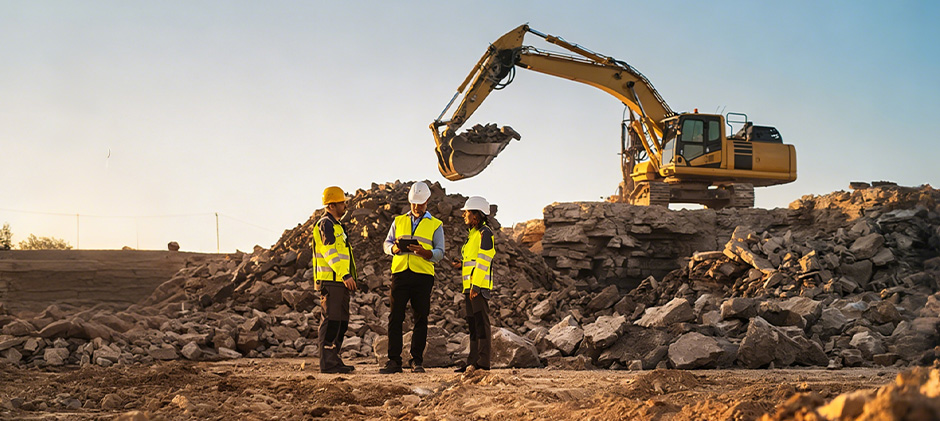
2026 Key Trends of the Construction Equipment Industry
The key industry trends reshaping 2026 are as follows:
- Proactive Supply Chain Strategies
- Real-Time Equipment Visibility Construction
- Safety-Driven Technology Adoption
- Data-Driven Operational Decisions
- Electrication & Energy Transition in Construction Equipment
Closing
Amid the construction equipment challenges, the construction and heavy equipment industry requires more than just hard work. It demands smarter planning, better technology and a commitment to sustainable operations to usher in the 2026 construction trends. From proactive parts hoarding to data-driven maintenance, the contractors and fleet owners who adapt to the trends now will be the ones leading tomorrow. At FridayParts, we’re not just keeping your machines running strong with our vast inventory of aftermarket parts. We’re doing it responsibly. We make clear commitments to the UN’s sustainable development goals (SDGs) and work together towards a cleaner, greener and more intelligent future.
