

Checking your Bobcat hydraulic fluid level is a fast way to prevent slow hydraulics, noisy pumps, and surprise downtime. The safest method is simple: park level, lower the lift arms/attachment, shut down, and read the sight glass (or dipstick on some models). This guide walks you through the exact steps, what “normal” looks like, and what to do if the level keeps dropping.
When Should You Check Bobcat Hydraulic Fluid Level?
Check the hydraulic fluid before a long workday or after any hydraulic repair. A quick daily glance can catch leaks early and reduce the chance of running the system low.
What Do You Need Before You Start?
You only need a clean rag and a few minutes. Keeping dirt out of the reservoir is the main “tool” that protects your hydraulic system.
You should also plan for safe positioning. Level ground and a lowered attachment help ensure fluid returns to the reservoir so the reading is meaningful.
How To Prepare The Machine Safely?
Park on level ground and lower the lift arms completely. This puts more fluid back into the reservoir and reduces the chance of an inaccurate reading.
Shut off the engine and let things settle. A short wait helps foamy oil calm down so the sight glass (or dipstick) is easier to read.
Clear statement: Never work under raised lift arms without the proper lift-arm support device.
How To Check Bobcat Hydraulic Fluid Level Using A Sight Glass?
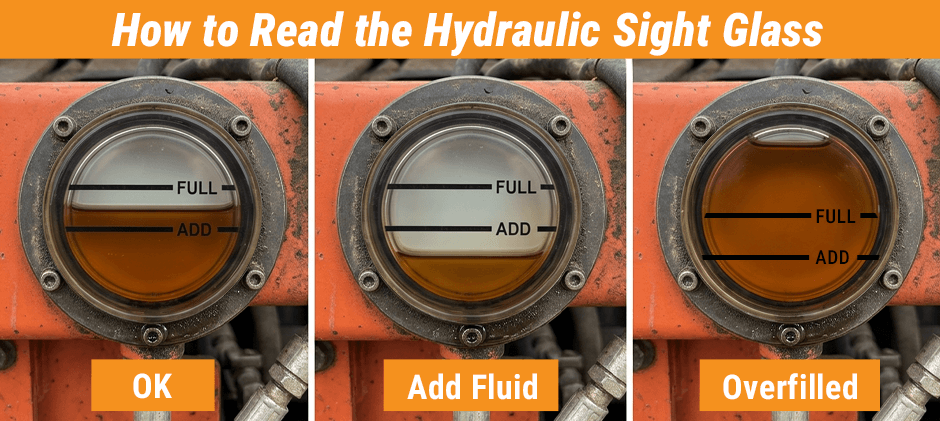
Most Bobcat skid steers show hydraulic level through a round sight glass near the rear of the machine. On many models, you’ll see an indicator (often a red ball) in the window.
Look for the “safe zone,” not “as full as possible.” The level is typically correct when the indicator is visible and sitting in the acceptable range, which is commonly described as the ball being centered/near the proper mark.
“Don’t chase ‘full’—chase the marked range.”
How To Check Bobcat Hydraulic Fluid Level Using A Dipstick?
Some Bobcat machines (often older designs or certain equipment types) use a dipstick under the rear hood instead of a sight glass. The reading concept is the same: the oil should be between the marked limits.
Wipe, reinsert, and re-check for a clean reading. A second reading reduces mistakes from oil smearing up the stick.
How Do You Add Hydraulic Fluid Without Overfilling?
Add fluid slowly and recheck the level often. Overfilling can cause foaming, leaks, and messy venting—especially when the oil warms up.
Clean around the fill cap before opening anything. This is the easiest way to avoid contaminating the reservoir with dust or grit.
Use the manufacturer-recommended fluid for your climate and machine. Many owners use Bobcat-branded hydraulic/hydrostatic fluids (or equivalent spec fluids), but the correct choice depends on model and temperature range.
Clear statement: If you’re unsure of the fluid type, check the Operation & Maintenance Manual for your exact model.
What If the Level Is Fine While The Reading Is Wrong?
Oil temperature and machine position can change the reading. A machine on a slope or with arms partially raised can show a lower level than reality.
Foamy oil can hide the true level. Aeration (often from low oil, suction leaks, or overfill) makes the sight glass harder to interpret until the bubbles settle.
What If Your Bobcat Has the Same Reservoir?
Some Bobcat models use a shared reservoir for hydraulic and hydrostatic/transmission functions. For example, owners of machines like the Bobcat S100 are often told that the hydraulic and “transmission” oil are contained in the same reservoir, and the level is checked at the same sight glass.
Do not assume every Bobcat is the same. Confirm your model’s setup in the manual because reservoir layouts can vary across series and years.
“Same reservoir” is common on some models, but verify before you fill.
6 Quick Checks You Should Look For While Checking the Level
Use these 6 quick checks:
- Hoses and fittings for wetness or sprayed oil
- Cylinder rods and seals for a fresh oil film
- Quick couplers for seepage and damaged O-rings
- Underbody and belly pan for drips (if equipped)
- Reservoir cap/vent area for oily residue (possible overfill or venting)
- Hydraulic filter area for leaks around the seal
5 Practical Tips To Avoid Common Mistakes
Most hydraulic-level mistakes come from rushing the setup. A careful 3-minute routine prevents bad readings and overfills.
Follow these 5 tips:
- Do it on level ground every time
- Lower arms and attachment fully before reading
- Wipe the fill area clean before opening the cap
- Add small amounts and recheck instead of dumping in a lot
- Track how much you add so you notice abnormal consumption early
Summary
Checking “how to check bobcat hydraulic fluid level” comes down to safe positioning, reading the sight glass (or dipstick), and topping up carefully without overfilling. If your level keeps dropping, treat it as a leak-finding job—not a topping-off habit.
When you’re ready to maintain or repair your hydraulic system, FridayParts can help you source common service items like filters, seals, and wear parts.
