

The diesel particulate filter (DPF) catches exhaust soot from the engine to meet EPA emissions standards. But just like every filter, soot keeps building up inside the DPF over time. Regeneration, or regen, simply burns away trapped soot to stop the filter from clogging up. So, how long does a regen take? How do you know if it’s running correctly? Keep reading.
What Are the Types of DPF Regeneration?
DPF regeneration usually comes in three types, depending on working conditions. The machine’s ECU keeps tracking soot levels in the filter and decides which type of regen is needed.
- Passive regen: Automatically while you’re working. When the machine runs under heavy load for a long time, exhaust temperatures rise naturally, and the soot gets burned off in the background. There’s no warning light or special action needed—you usually won’t even notice it.
- Active regen: When passive regen isn’t enough. The system injects a small amount of fuel into the exhaust to burn off the soot. You’ll see a high exhaust temperature light, but the machine is working normally.
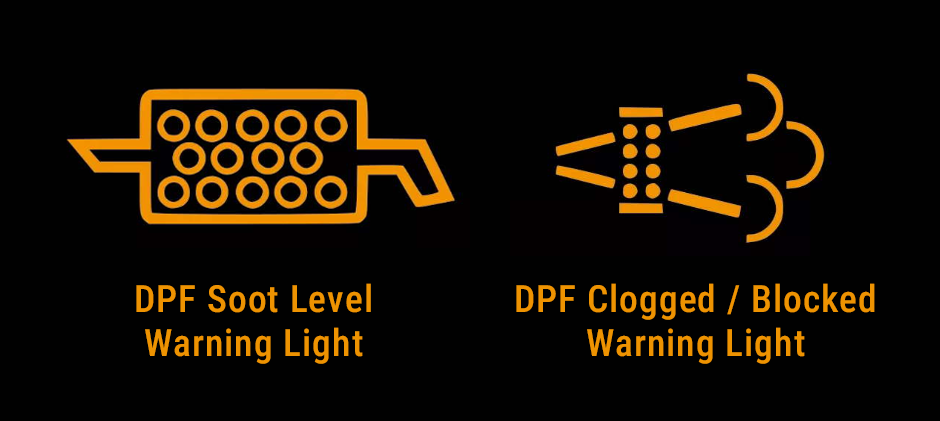
- Forced (parked) regen: often because of low-load operation or interrupted active regens. At this point, you have to park the machine in a safe area, apply the brake, and start the regen manually. The engine runs at high idle to clean out the filter. It requires the intervention of a driver or technician—in other words, it is a manual process.
Why Off-Road Equipment Requires More Forced DPF Regen?
Semi trucks cruise steadily at high speeds for hours on end, keeping exhaust temperatures high and stable. This makes passive DPF regeneration easy.
Construction machines idle for long periods, start and stop often, and only run at full power in short bursts. This kind of work cycle can’t reach or hold the high exhaust temperatures needed for passive regen.
That’s why off-road equipment relies mostly on active regen, and needs forced regen when soot builds up too much to stop the DPF from clogging. This is totally normal for construction equipment and not a sign of a breakdown.
When the regen light comes on, park your machine in a well‑ventilated area and stay away from dry grass, trash and all flammable materials. Exhaust temperatures get extremely hot during regen.
How Long Does a Forced Regen Take?
Most forced DPF regens on off-highway equipment take 30 to 60 minutes.
Exact time depends on the machine brand, engine size, and how much soot is in the filter. 45 minutes is the most common run time. If your regen falls in this window, your aftertreatment system is working just fine. You’ll see and notice a few normal signs while the soot burns away smoothly during regen.
- A strong, sharp smell from the exhaust (burning soot)
- Much higher exhaust temperature—you’ll notice the system getting very hot
- If you use an infrared thermometer, you’ll see a clear temperature rise downstream of the DPF
These are all signs that the regeneration is working as it should.
Warning Signs: When a Regen Takes Too Long
A normal DPF regen only takes 30 to 60 minutes. So how do you know when something’s wrong?
- If your regen runs for 90 minutes or even two hours and still won’t finish, your machine is telling you there’s an underlying issue.
- Another common red flag that often goes with slow regen is low exhaust heat. If the regen has been running for over an hour, but the exhaust parts stay cool with no big temperature rise, the system can’t hit the heat it needs to burn off soot.
Causes of a Failed or Extended Regen
If a regen takes too long or fails, the machine’s ECU is usually working fine. The issue is almost always a faulty or blocked part stopping the process.
- Clogged or broken fuel injector: The most common problem. The ECU sends the command to spray extra fuel and raise exhaust heat, but the injector doesn’t respond. The system gets stuck warming up, times out, and the regen fails.
- Severely clogged DPF: Frequent canceled regens or underlying engine issues cause heavy soot buildup. Normal regen heat and runtime aren’t enough to burn it all off. It’s just like a dirty oven—one quick self-clean cycle can’t remove years of built-up grime.
- Faulty sensors: The DPF system uses pressure and temperature sensors to start and stop regen correctly. Wrong sensor readings confuse the ECU and break the whole regen cycle.
- Underlying engine problems: Leaking fuel injectors, a bad EGR valve, or a weak turbo make the engine produce far more soot. This overloads the DPF and leads to constant clogging.
- Wrong engine oil or low-quality fuel: Using non-low-ash engine oil or high-sulfur diesel creates leftover deposits that won’t burn during normal regen. Over time, these build up and cause permanent DPF damage.
The Importance of Regenerations
Ignoring the regen warning light can lead to bigger problems.
If regeneration isn’t done in time, the engine will protect itself by reducing power and going into derate or limp mode. At that point, the machine loses power and may struggle to work or even move properly.
In some cases, a forced regen can temporarily fix the issue. But if the real problem is a failed component or a heavily clogged DPF, the filter may need to be cleaned or replaced.
Conclusion
A normal regen cycle should usually take about 30 to 60 minutes if everything is working properly. If it goes beyond 90 minutes, especially when you don’t see the system getting much hotter, that’s a sign that something isn’t right and the system should be checked. In many cases, a faulty part may need to be replaced. You can find the right replacement parts at FridayParts to help reduce downtime.
