

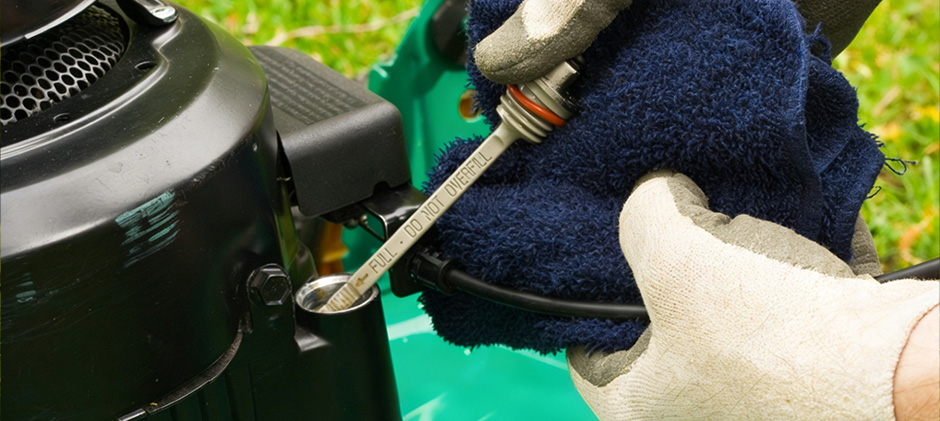
Smell gas when you check your mower’s oil? Don’t ignore it. Maybe something isn’t sealing right inside the engine. If you leave it, it can wear parts out faster and lead to costly repairs. In this guide, we’ll go over the most common reasons why your engine oil smells like gas—and what you can do about it.
Why Does My Engine Oil Smell Like Gas?
If your oil smells like gas, it usually means fuel has leaked into the oil. This is called fuel dilution. Basically, some unburned gasoline got past the engine and mixed with your oil.
There are a few reasons this can happen, but it all comes down to fuel not burning properly or getting past the engine seals. On a lawnmower, it could be something simple you’re doing, or it could be a part that’s worn out or broken.
The Carburetor
On most lawnmowers, the carburetor is usually the main reason. It’s a simple part that mixes air and gas. Inside, there’s a small float and a needle valve that control how much gas goes into a tiny chamber, called the float bowl. Here’s how things go wrong:
- Float stuck or needle valve broken: Over time, dirt from the fuel tank can get stuck in the needle valve, stopping it from closing all the way. The float can also get stuck or stop working.
- Gas keeps flowing: Then, gas doesn’t stop flowing into the float bowl. It can spill over and, thanks to gravity, go straight into the engine cylinder.
- Gas leaks into the crankcase: When the engine is off, the extra gas stays in the cylinder. It slowly leaks past the piston rings into the crankcase and mixes with the oil.
Incomplete Combustion from Short Runs
When the engine is cold, the carburetor’s choke makes the fuel mixture rich (more gas, less air). So it can start and warm up easily.
If you only run the mower for a few minutes—just to move it from the shed or trim a small patch—the oil doesn’t get hot enough. Hot oil normally helps burn off a little moisture and fuel. If the oil stays cool, the gas from those short starts doesn’t burn. Over time, it builds up in the oil and you’ll notice a strong fuel smell.
Worn or Damaged Piston Rings
Piston rings are important seals inside the engine. They separate the combustion chamber from the crankcase below. They help the piston move down using combustion power, and also keep oil out of the combustion chamber.
Worn or damaged piston rings don’t seal tightly. They allow unburned fuel and exhaust gas to leak past the rings into the crankcase — this is called blow-by. A small amount of blow-by is normal, but badly worn rings can cause excessive blow-by. This quickly dilutes the oil with fuel and can damage the engine.
Tipping the Mower Incorrectly
This is a common problem with lawnmowers that many people don’t think about. If you tilt your mower to clean the bottom or check the blade, with the carburetor and air filter facing down, gas can spill out. It can soak the air filter and flow into the cylinder, and eventually get into the oil. Always tilt the mower so the carburetor side is facing up.
Stop! When Engine Oil Smells Like Gas
Engine oil normally forms a protective layer between parts, such as the crankshaft, connecting rods, and bearings. Gasoline thins out the oil, stopping it from protecting engine parts and causing metal to rub directly against metal. This speeds up internal engine wear.
Oil mixed with gasoline is more flammable. Be careful when cleaning or repairing—keep it away from sparks and high heat.
Gas in Engine Oil Symptoms
Besides the distinct gasoline smell, there are several signs that gas in oil:
- High oil level: The dipstick shows more than full, not that you have added too much oil, but that gasoline has mixed into the crankcase.
- The oil is very thin: Normal oil is stickier and will stick to the dipstick. When mixed with gasoline, the oil becomes thin, like water, and drips quickly.
- Exhaust pipe smoke: When the engine mixture is too thick, black smoke will appear, which is unburned fuel. Occasionally, white smoke is seen, which is the oil and gasoline mixture being heated and evaporated in the exhaust pipe.
- Difficult to start and unstable: There is too much gasoline and too little air in the engine cylinder, so thick that the spark plug will not light at all. This is called “flooding the cylinder”. In this case, the machine will be particularly difficult to fire. Even if you finally hit it, the engine will shake badly. The spark plug is likely to be covered by oil and carbon deposits and cannot ignite properly.

How to Fix Gas in the Oil?
Just follow these steps to get your mower fixed:
Step 1: Drain the Old Oil and Gas
Pour out all the bad oil from the engine and empty the gas tank completely. This keeps the engine from getting more damaged.
Step 2: Check the Carburetor
The carburetor is almost always the troublemaker, so check it first.
- If your mower has a fuel valve, shut it off.
- Take off the small bowl on the bottom of the carburetor.
- Move the float up and down — it should move easy, not get stuck.
- Look at the needle valve. See if the rubber end is worn out or if dirt is in the way.
Most of the time, cleaning it is enough. If the float or needle is broken, you’ll need a rebuild kit or a whole new carburetor.
Step 3: Check Piston Rings (for More Experienced Users)
If the carburetor is okay, test the piston rings with a compression tool. If the reading is low, the rings are worn. The engine needs to be fixed with new rings and gaskets.
Step 4: Put in a New Spark Plug and Air Filter
Gas in the cylinder usually messes up the spark plug and soaks the air filter. Just replace both — it’ll help the engine start right and breathe easy.
Step 5: Add New Oil and Gas
Fill the engine with the right kind and amount of new oil, then put in fresh gas. Your mower is ready to work safely again.
Final Words
In short, if you notice gas in your engine oil, follow the steps above to find the problem and fix it. Engine issues can feel tricky at first because it’s hard to know which parts need replacing. Whether it’s pistons, crankshafts, fuel system parts, or a full engine, FridayParts.com can help you easily get the right parts.
